










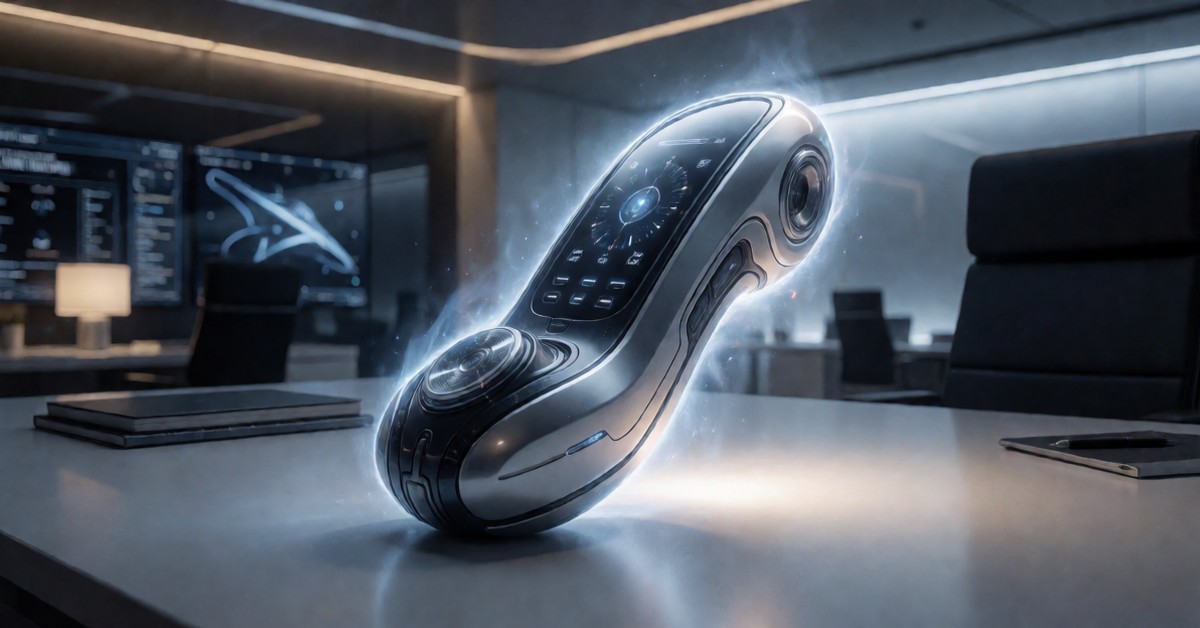
Elon Musk called the Wall Street Journal report “utterly false.” He challenged the report’s claim that SpaceX showed investors an AI device before the company’s IPO. Investors often look for real products before a company goes public, which makes these reports highly relevant to future stock prices. Musk’s rejection suggests the claims started from a misunderstanding of internal company demos or leaked information. This debate highlights the difference between market hype and the slow growth of major aerospace firms.
What Does This Mean For SpaceX?
Investors value the company based on its rocket launches and Starlink network success. Introducing a consumer AI phone would require entirely different research and development teams and huge capital. Musk keeps SpaceX focused on its core mission of space exploration and launching space objects. The company’s current worth relies heavily on its aerospace contracts and the growing number of satellites in orbit. A heavy pivot into consumer electronics would pull resources away from its established, profitable ventures.

Background
For everyday users, the discussion about a potential AI handset touches upon the future of personal computing. An AI phone, as described in the report, would move past simple voice commands toward a more intuitive user experience. This technology could change how people manage their digital lives and interact with software. Companies like Google and Apple already lead these areas, making SpaceX’s entry noteworthy. The features of a potential device include:
Faster, more accurate voice recognition Predictive text and personalized suggestions Combining with smart home devices

Musk suggests that any such device would remain a long-term project, not a product ready for immediate mass release. Creating a truly advanced AI phone requires many years of testing and careful growth.
Focus on Core Business
Musk’s denial forces observers and investors to rethink the scope of SpaceX’s current plan. The company needs to manage expectations regarding both its space ambitions and any speculative hardware projects. This clarification helps stabilize the story around the company’s primary functions. While Musk refutes the specific AI handset, SpaceX might explore other forms of advanced hardware in the future. These projects often involve AI, but they are typically designed for scientific use rather than the general public. The aerospace industry operates under different constraints than the consumer electronics market, which demands absolute reliability.