










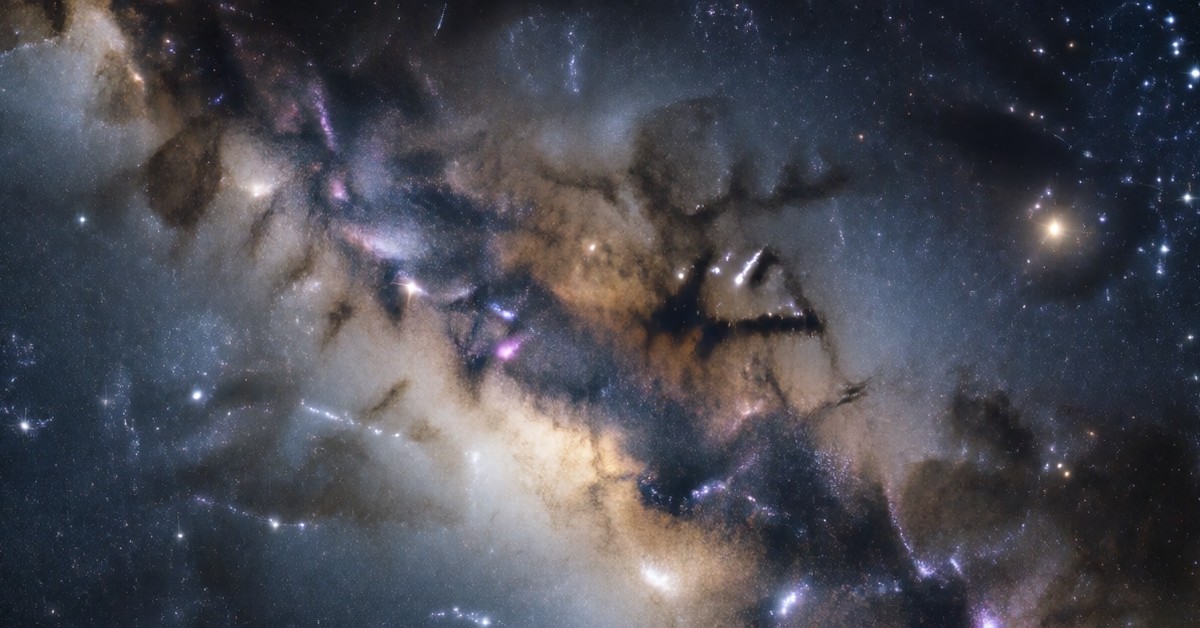
The Euclid space telescope released a detailed photograph of our galaxy’s crowded core. This view captures over 60 million stars within the milky way center. Astronomers say this stunning image provides unprecedented data. It details the structure and stellar population of the galaxy’s most massive region. This detailed capture shifts scientific understanding of the stellar environment. It offers a powerful glimpse into what makes the milky way center unique. The data suggests that stellar density in this region influences stellar evolution. Previous observations could not detect this influence.
Understanding Galactic Density and Star Formation
This photograph highlights the extraordinary concentration of stars in the milky way center. The sheer number of stellar bodies captured by the Euclid mission allows researchers to study stellar dynamics. They achieve greater precision than ever before. When stars cluster this tightly, they interact frequently. These interactions can accelerate or alter their natural life cycles. Scientists claim high density provides a unique laboratory. Researchers study how gravity and stellar collisions affect star formation processes. This extreme environment presents conditions unlike those found in the galaxy’s outer arms.
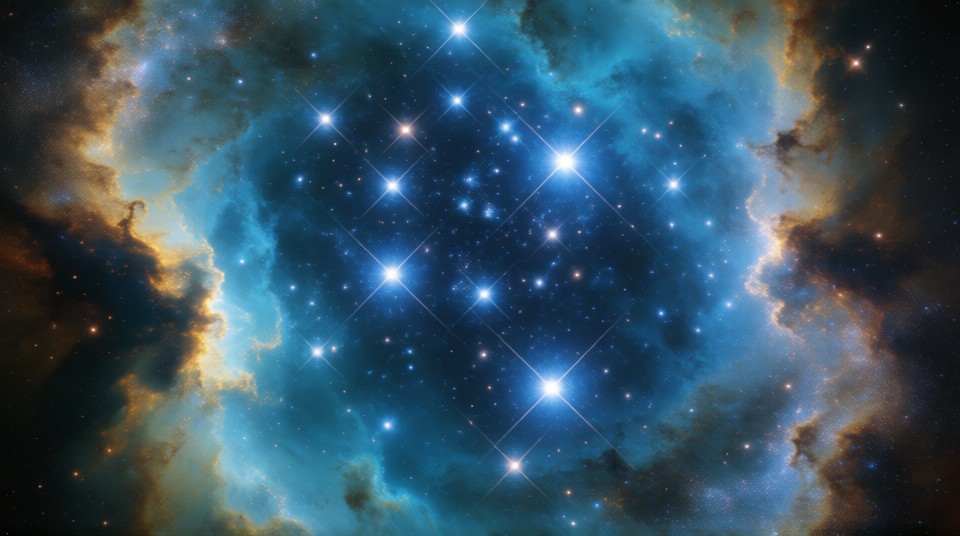
Observing this dense stellar population is crucial. It helps determine how galaxies build themselves over billions of years. The image acts as a record of stellar activity over vast cosmic time spans. Euclid’s instruments were designed specifically to track distant objects. They maintain high resolution, which is essential when mapping the milky way center. Researchers now analyze the light signatures of these stars. This analysis helps confirm various theories about galactic assembly.
The image details the stellar distribution across the core. It allows astronomers to track stellar movement and interaction. The data helps refine models of Galactic growth and evolution.
How Euclid Changes Astrophysical Research
The Euclid mission represents a major step forward in observational astronomy. It provides capabilities that surpass earlier space telescopes. While previous instruments gave broad views of the galaxy, Euclid delivers granular detail. This detail is vital for studying complex regions. The telescope’s advanced optics allow researchers to distinguish individual stars. They see them even in the most crowded fields, such as the milky way center. This clarity allows scientists to investigate subtle phenomena. These phenomena might otherwise remain obscured.
Some astronomers say counting and classifying sixty million stars provides a massive dataset. Researchers can feed this detailed stellar information into computational systems. They uncover patterns too subtle for human visual analysis. This application of big data to astrophysics promises to accelerate discovery. The telescope’s data collection extends beyond the milky way center. It maps large swaths of the cosmos.
The specific data gathered regarding stellar density provides immediate insight into galactic forces. Extreme gravitational pulls near the galactic core affect much. This includes the movement of gas clouds and the rotation of stars. The image allows scientists to measure these forces more accurately. This helps refine the models of dark matter distribution.
What the Star Count Tells Us About the Milky Way Center?
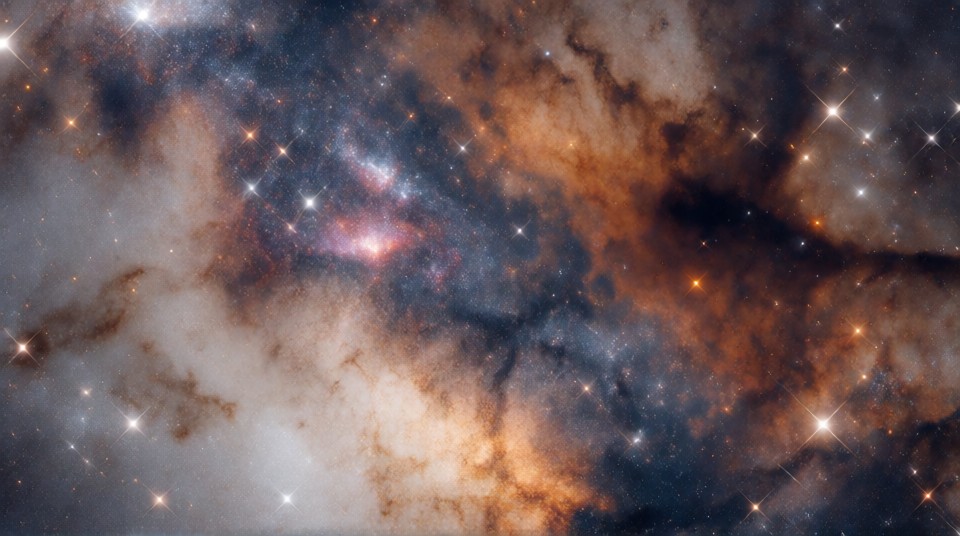
Capturing over sixty million stars is more than just a numerical achievement. It represents a profound understanding of stellar organization. The sheer volume of stars in the milky way center demonstrates immense gravitational power. This density suggests a highly dynamic environment. Stellar interactions are common and predictable there. The data provides critical checks for existing cosmological theories. Scientists test these theories against real-world stellar observations.
Scientists claim the concentration of stars allows study of specific stellar types. These stars thrive in high-pressure environments. They exist only in the most crowded regions. They offer unique clues about stellar survival and life cycles. The detailed view confirms the milky way center operates under different physical laws. These laws differ from the galactic periphery. This finding challenges simple assumptions about uniform stellar distribution.
The image also gives researchers a better perspective on stellar composition. By analyzing the light emitted by different stars, researchers determine the ratio of elements. They find hydrogen, helium, and heavier elements. This chemical fingerprinting traces the galaxy’s evolutionary history. The data supports the idea that the milky way center is a region of intense, ongoing chemical enrichment.
Reader Takeaways
Studying the milky way center may seem far from everyday life. However, the scientific principles involved influence our understanding of the cosmos. By learning how galaxies form and how stars behave in extreme conditions, we gain insight into basic physics. These rules apply everywhere, including within our solar system. Understanding stellar evolution helps predict the ultimate fate of stars. This relates to the long-term stability of celestial bodies.
The research confirms the cosmos is far more complex than previous models suggested. The detailed view of the milky way center provides strong evidence of massive, unseen forces. These forces shape galactic structure. Astronomers say this knowledge validates theories of gravity and cosmic expansion. Furthermore, this data supports the search for habitable zones. It details how stars function in various environments. The study of the milky way center helps refine how we search for life beyond Earth.
This advanced imaging technology sets a new standard for astrophysical observations. It confirms the power of space telescopes to provide clarity. They see into the most distant and crowded parts of the universe. The findings about the milky way center will likely drive the next generation of cosmic research. Related context: tech coverage.