







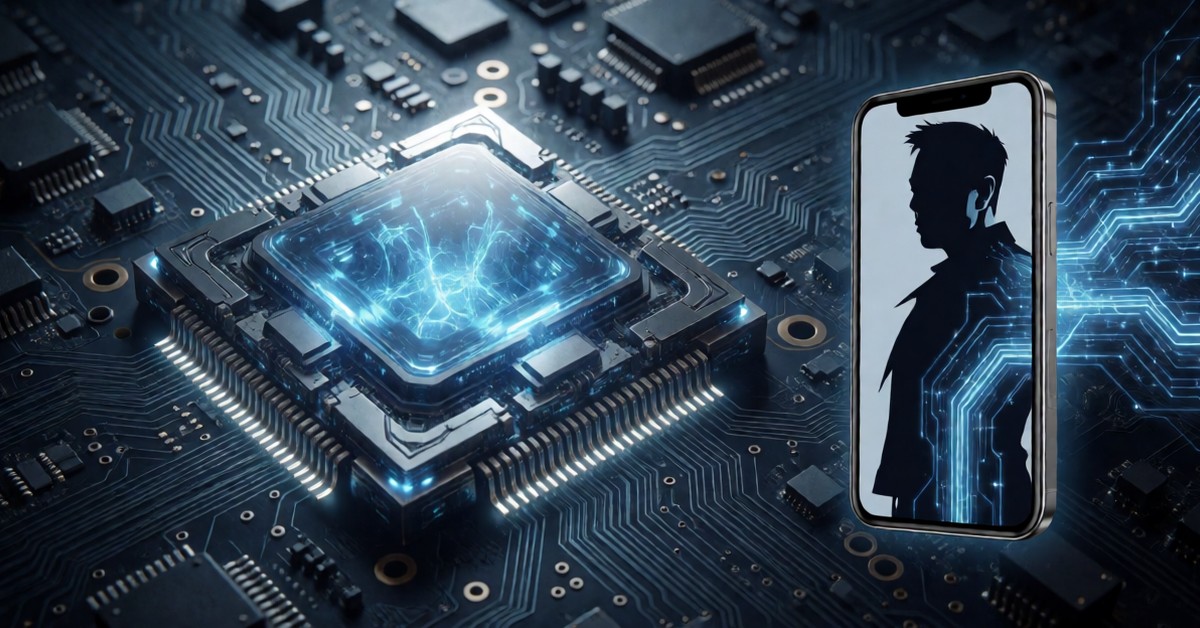
thinking process: 1. analyze the request: th. Tech companies are currently racing to build powerful, small AI chips. These devices must run advanced AI tasks without needing a constant internet connection. The discussion about this hardware pushes the limits of mobile and embedded systems design (thinking process: 1. analyze the request: th). Creating tiny, highly efficient AI chips presents major engineering problems for many companies. These processors must manage massive amounts of data while remaining very small and low-power. Traditional computing methods often require large components, but mobile AI demands radical new chip designs. Engineers must find ways to pack billions of transistors into a tiny space (thinking process: 1. analyze the request: th).
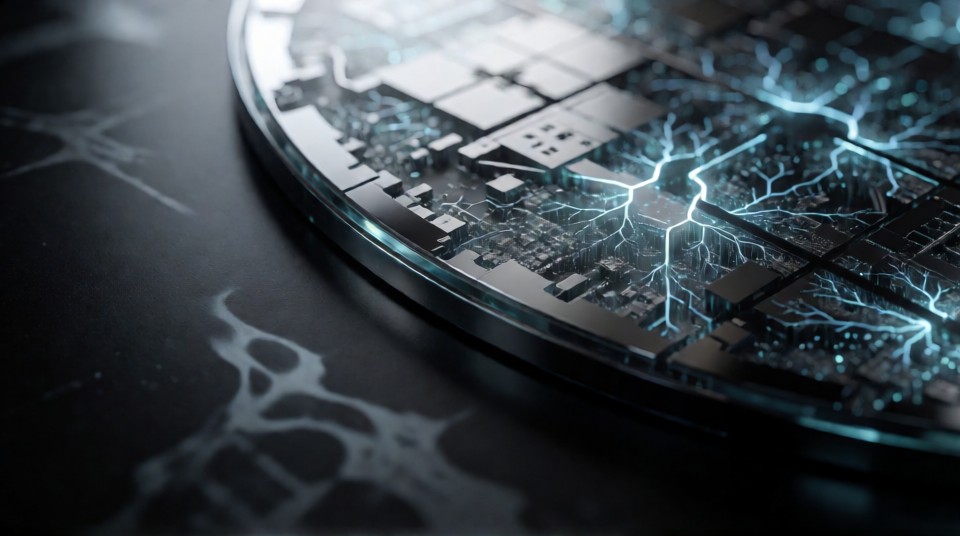
AI models require substantial power to function properly when they run on-device. Running large language models locally demands a level of power previous hardware simply could not provide. This need for extreme efficiency drives the focus on specialized neural processing units optimized for machine learning tasks. Companies worldwide heavily invest in this specific niche of chip making.
SpaceX, known for aerospace projects, recently drew public attention with its computing plans. A report mentioned that the device looked incredibly thin, perhaps even thinner than current flagship phones. Such a device would mark a major step toward better personal computing portability. Elon Musk quickly denied this information, suggesting the report might be highly exaggerated (thinking process: 1. analyze the request: th).
How will this affect users?
If a device of that size and power existed, it would fundamentally change how we use technology daily. Users could access powerful, private AI features without needing a constant internet link or cloud processing. Local AI processing keeps sensitive personal data secure on the user’s device rather than sending it to a remote server. This move toward on-device intelligence addresses major privacy worries many consumers currently face.
Think about how a compact AI could change your life. These new capabilities might include:
Real-time, private language translation without needing a network. Visual recognition that analyzes complex scenes instantly. Personalized health monitoring that learns patterns without data leaks.
These features represent a massive leap in digital assistance and automated tasks. The goal remains making powerful AI feel seamless and invisible to the user experience.
Industry Progress and Skepticism
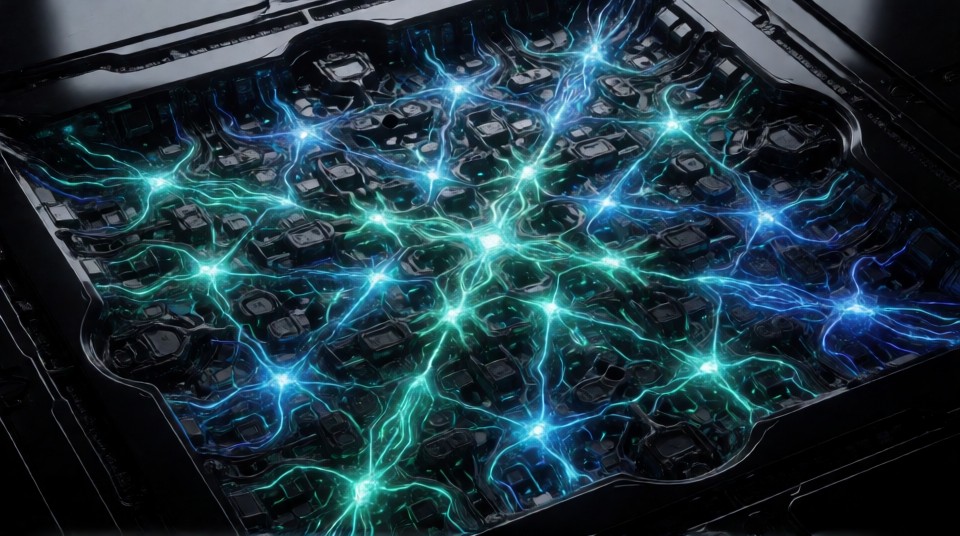
Major tech firms constantly claim breakthroughs in both power efficiency and miniaturization. These claims often require thorough independent checks before people accept them as fact. The fast pace of technological development means today’s claims might change tomorrow. The drive for smaller, faster AI chips is not limited to one company’s goals. Apple continuously pushes the limits of its silicon to integrate machine learning into its systems. Google also develops specialized tensor processing units to make cloud AI more efficient.
It is wise for consumers to maintain some doubt when reading reports about new technology. Companies often showcase their best projects to attract investors and market interest. The difference between a concept and a ready-to-sell product is often very large. Musk’s direct denial serves as a strong public statement, suggesting the claims lacked factual backing at that time (thinking process: 1. analyze the request: th).
The journey from a design concept to a mass-market product involves extensive testing and scaling processes. Even if a prototype exists, it might not meet the standards needed for consumer release. Therefore, people should view specific device claims with caution until official product launches happen. Market analysts believe the real innovation lies in improving underlying algorithms and chip architecture.
The future of personal computing will likely be defined by powerful AI that works locally on our devices. We are moving past simply using phones as communication tools. Instead, the device will become a highly intelligent assistant that anticipates our daily needs. This requires hardware that is exceptionally efficient and powerful, which is the core of current development.