










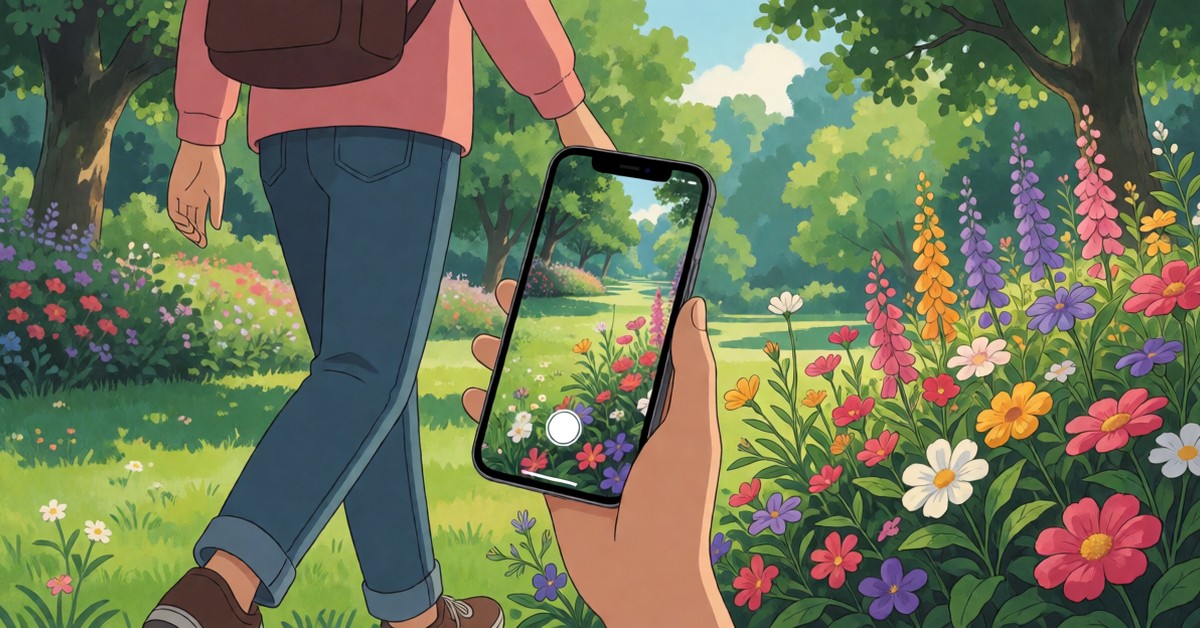
Flormie launches a new mobile application that transforms the ordinary walk into a plant discovery game, offering users a gentle way to identify real flowers and notice the nature around them. This app, which targets iPhone users, aims to replicate the collection loop of games like Pokémon Go, but substitutes the fictional monsters with real botanical life. The developers claim that this unique approach encourages users to scan, save, and observe real plants during their everyday journeys. This application moves beyond simple identification tools by integrating gamification into the natural world, thereby promoting environmental awareness through play. Instead of the chaos associated with large social games, Flormie focuses on a quieter, more educational experience. The developers state that the app encourages users to connect with their local environment while achieving collection goals.

What Should Readers Know?
Flormie introduces a collection loop where users scan plants to add them to a personal digital garden, a feature that mirrors the satisfying progression found in many mobile games. While the app uses image recognition technology, it also adds elements of discovery, encouraging users to explore new areas. Users receive rewards for identifying different species, a system that aims to motivate users to keep their walks interesting. This structure encourages users to pay closer attention to the subtle details of the flora they encounter. For example, the application might track the diversity of species found in a particular park, which helps users map out local biodiversity. The developers maintain that this subtle pressure to explore leads to a deeper appreciation for the natural world. The app is designed to be a gentle nudge toward nature, rather than a demanding chore that takes up too much time. It functions as a digital scrapbook, allowing users to save images and information about the plants they find.
How Flormie Identifies Plants
The core function of Flormie involves using image recognition to determine the species of a flower, a process that requires users to take clear photos. The application processes these images against a database of known flora, which allows it to provide identification results quickly. Although the source content does not specify the speed, the developers claim the identification process is nearly instantaneous, which keeps the flow of the game smooth. This efficiency ensures that the user experience remains engaging, even when walking in a busy urban area. Users can find detailed information about the identified plant, including its native habitat, growth requirements, and local ecological role. This information serves an educational purpose, which helps users understand the context of the plant they just scanned. The app also allows users to save their discoveries, creating a personal history of their botanical explorations. This feature is valuable for hobbyists and nature enthusiasts alike, who wish to document their encounters with different species.
Main Impact
Flormie provides several features designed to keep the engagement high and the learning curve low. The app focuses on making the identification process fun, which is a key part of its design philosophy. Users can expect the following elements within the application:
Image scanning functionality that detects flower types. A digital collection system where users save discovered species. Educational profiles detailing the ecological background of each plant. Gamified rewards that encourage users to explore new locations.
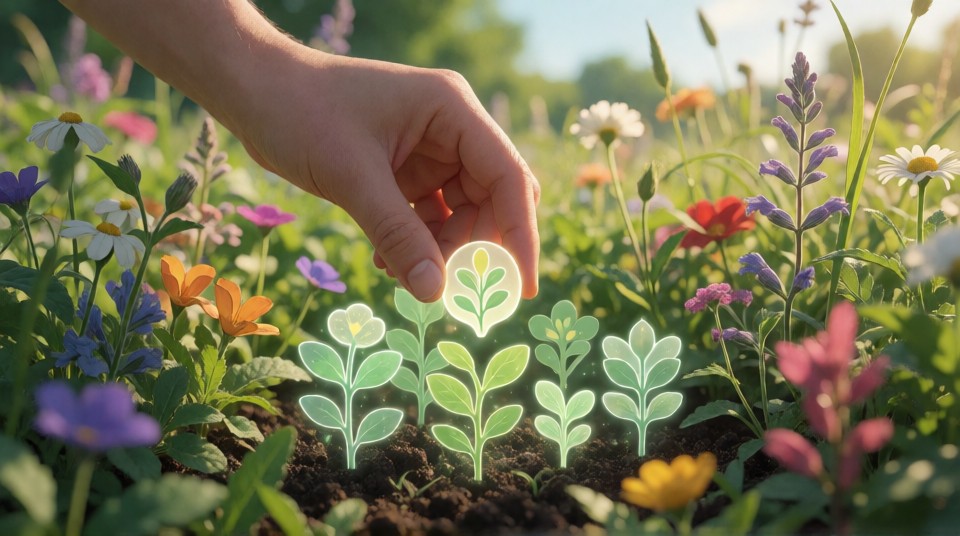
These features work together to turn a simple phone walk into a meaningful activity. The developers suggest that the app is particularly useful for families looking for a low-stress way to spend time outdoors. By blending technology with nature, Flormie attempts to solve the problem of people overlooking the subtle beauty of their immediate surroundings. The application does not demand intense focus, which makes it suitable for casual users who simply want a fun distraction during their daily routines. This casual accessibility is a major selling point for the developers.
The Value of Botanical Awareness
Encouraging people to notice local plants contributes to a broader movement toward environmental stewardship, which is the underlying goal of the Flormie project. When users actively seek out and identify different species, they naturally become more aware of the health and diversity of their local ecosystems. The developers suggest that this increased awareness can translate into greater care for public green spaces. This shift in perspective is what the creators hope the gamified experience achieves. While the app offers a fun collection loop, it is important to remember that the primary benefit lies in the educational aspect, which moves beyond mere game play. By learning about a plant’s life cycle or its role in pollination, users gain knowledge that is useful in real life. This knowledge helps them understand the fragile connections within the natural world, which is a valuable outcome for any user. The app serves as a bridge between digital entertainment and real-world biology.
Skepticism Regarding The Long-term Impact
Skepticism regarding the long-term impact of such apps is warranted, as many mobile games eventually suffer from player fatigue. However, Flormie’s focus on the tangible, real-world subject matter—living plants—might provide a more sustainable engagement than typical digital content. The app encourages interaction with the environment itself, which is a fundamentally different type of engagement. The developers claim that the gentle nature of the collection loop prevents the overwhelming feeling often associated with competitive games. This approach prioritizes observation over high-stakes competition. Ultimately, Flormie presents itself as a tool that merges technology and nature, offering users a reason to look down at a flower and learn something new. If the app maintains its commitment to gentle education and accurate identification, it could become a popular way for people to connect with the environment they walk through every day. The app claims to turn a simple routine into a rewarding exploration, which is a compelling proposition for modern users.