








Gemini Meta Muse Upgrades: Big Tech Week: Gemini 4 Nears Launch as Meta Reimagines AI and Hardware
This week feels like a preview of the next AI arms race. Google teased Gemini 4, Meta overhauled its Muse assistant, and unveiled surprising new hardware. Culture and code are colliding again, and everyone’s paying attention. This story follows Gemini Meta Muse Upgrades.
Gemini 4 Finally Comes Into Focus
Google has spent months trailing OpenAI and Anthropic on flagship AI releases. Now Koray Kavukcuoglu, the new head of Google DeepMind, says Gemini 4 is in its final refinement stage.
He shared the update in his first major interview since taking the role, as reported by The Verge. Kavukcuoglu didn’t give an exact launch date. Still, the tone signals Google feels real pressure to catch up.
For years, Google seemed to move cautiously while rivals shipped fast and iterated in public. That caution built trust, but it also cost momentum. Gemini 4 needs to land as more than an incremental update if Google wants to reclaim the narrative.
Meta’s Muse Gets a Voice, and a Face
Meanwhile, Meta used its Connect 2026 keynote to push its own AI agent forward. Muse, Meta’s AI assistant, is getting genuinely more powerful.
According to The Verge, Muse agents will soon get their own email addresses. That means your AI can send emails and manage tasks on your behalf.
Even more striking, users will be able to video chat with Muse directly. This shift moves AI assistants from text boxes into something closer to a real presence. It echoes a broader cultural moment where people already talk to AI companions daily, whether through apps or pendant devices.
Mark Zuckerberg framed the announcements around building “a future for everyone,” a phrase he expanded on in a recent essay, per The Verge’s live coverage from Menlo Park.
Meta Swaps Headsets for Glasses
The bigger surprise from Connect wasn’t software. It was hardware.
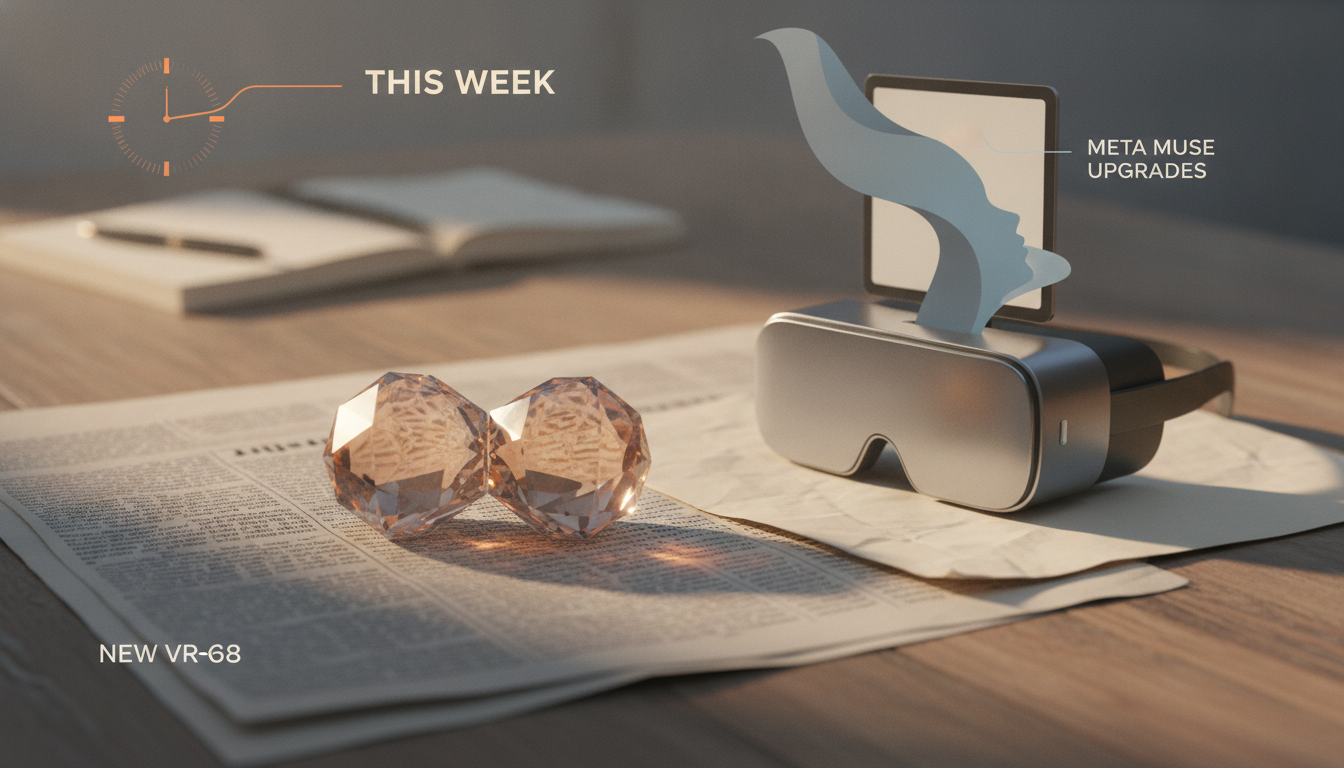
Meta introduced new VR glasses instead of another bulky headset. They rest on your ears like sunglasses, but pack immersive displays inside.
You can reportedly watch movies, play games, and work through them, all without strapping anything to your head. This design choice matters. Meta has spent years fighting the perception that VR gear looks awkward and isolating in public.
Lightweight glasses feel more like an accessory and less like a costume. That’s a meaningful shift for mainstream adoption, especially among people who wear everyday glasses (paid link) daily anyway and want tech that blends in.
Gemini Meta Muse Upgrades: Googlebooks Enter the Chat
On the consumer side, Google’s new Android-powered Googlebooks are also generating buzz. Best Buy is offering free Pixel Buds 2A with preorders through October 25th, 2026, according to The Verge.
These laptops aim squarely at Windows Copilot machines. Google clearly wants a bigger share of the AI-powered PC race, not just phones and assistants.
Gemini Meta Muse Upgrades: Why This Week Matters for AI and Culture
Taken together, these stories show two giants racing on parallel tracks. Google is polishing its core AI model to prove it can still compete. Meta is betting that friendlier hardware and more human-feeling agents will win hearts first.
Gemini 4 will matter most to developers and power users chasing raw capability. Meta’s approach feels more aimed at everyday people who want AI that feels present, not distant.
Here’s what to watch next:
- Whether Gemini 4 actually closes the capability gap with GPT and Claude
- How many people opt into video chatting with an AI agent
- Whether Meta’s glasses succeed where past VR hardware struggled
- How Google’s laptop push affects the broader PC market
The conversation has shifted from “can AI do this” to “how do we want to live with it.” That’s the real story behind this week’s headlines.
As an Amazon Associate, TechMogo earns from qualifying purchases.