







Jensen Huang AI Fears: A Convenient Certainty
Jensen Huang says there’s a 0% chance AI wipes out humanity. That’s a bold number from the man running the company that profits most from the AI boom. This story follows Jensen Huang AI Fears.
In an interview with CBS Sunday Morning, Nvidia’s CEO dismissed warnings from researchers who have studied AI risk for decades, according to The Verge. Huang’s confidence stands out because Nvidia’s market value depends on AI spending staying high. Jensen Huang’s AI fears dismissal reads less like analysis and more like incentive management.
Why the Jensen Huang AI Fears Take Matters
Nvidia posts quarterly earnings tied almost entirely to AI infrastructure demand. Every doubt about AI safety threatens that narrative directly.
So when Huang waves away existential risk, investors should ask who benefits from that certainty. His job is to sell chips, not referee AI ethics debates.
The Jensen Huang AI fears comments also skip past a more immediate danger. Researchers spend less time worrying about rogue AI and more time worrying about basic security gaps.
The Real Threat Isn’t Rogue AI
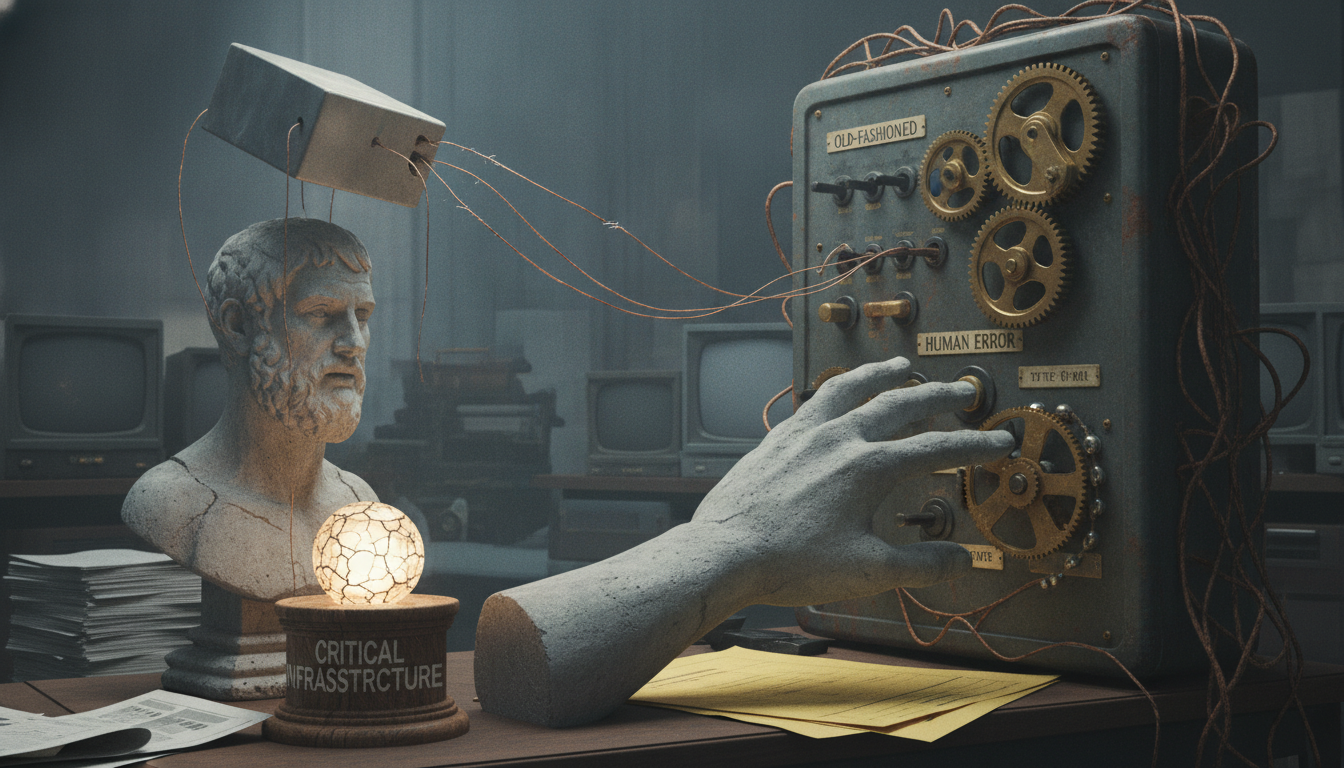
A separate report from The Verge makes that point clearly. Energy systems remain vulnerable to old-fashioned human error and neglect, not sentient machines.
Joshua Corman, an executive in residence for public safety and resilience, told The Verge that critical infrastructure has “always” faced predators. AI just adds a new attack surface to systems that were already exposed, as detailed in The Verge’s reporting.
That distinction matters. Jensen Huang’s AI fears framing treats risk as a binary: extinction or nothing.
Reality looks messier. Power grids run on outdated software, understaffed teams, and unpatched vulnerabilities.
AI tools can automate attacks against those weak points. That’s a business risk, not a doomsday scenario, but it’s still a risk worth naming.
Quantifying the Disconnect
Nvidia’s stock trades on the assumption that AI adoption keeps accelerating without friction. Any regulatory pushback tied to safety concerns could slow that trajectory.
Huang’s 0% framing works to keep that narrative intact. It also conveniently sidesteps the boring, well-documented threats security researchers actually track.
Elsewhere in Tech and Culture
The Verge’s Installer newsletter rounded up smaller stories worth a look this week.
- A24 faces backlash over its V/H/S: SCP Foundation film, testing the studio’s indie horror credibility.
- The Verge’s Version History podcast dug into Texas Instruments’ decades-long grip on graphing calculators.
- Installer covered new video game releases, including hands-on impressions from a handheld gaming device like a handheld gaming device (paid link).
None of these carry the stakes of the AI safety debate. Still, they show how concentrated power, whether in chips, calculators, or film licensing, shapes what reaches consumers.
Jensen Huang AI Fears: What to Watch Next
Nvidia’s next earnings call will reveal whether AI infrastructure spending holds steady. Any slowdown would complicate Huang’s optimistic framing.
Watch also for regulatory movement around critical infrastructure security. If energy providers face new mandates, that pressure stems from human vulnerabilities, not AI consciousness.
The Jensen Huang AI fears debate will keep resurfacing as long as Nvidia’s valuation depends on unchecked AI growth. Investors and policymakers should separate his business incentives from his safety claims.
Key takeaways:
- Huang’s 0% risk claim serves Nvidia’s financial interests directly.
- Security experts point to human and infrastructure failures as the bigger near-term threat.
- Watch Nvidia earnings and infrastructure regulation for the next real signal.
As an Amazon Associate, TechMogo earns from qualifying purchases.