




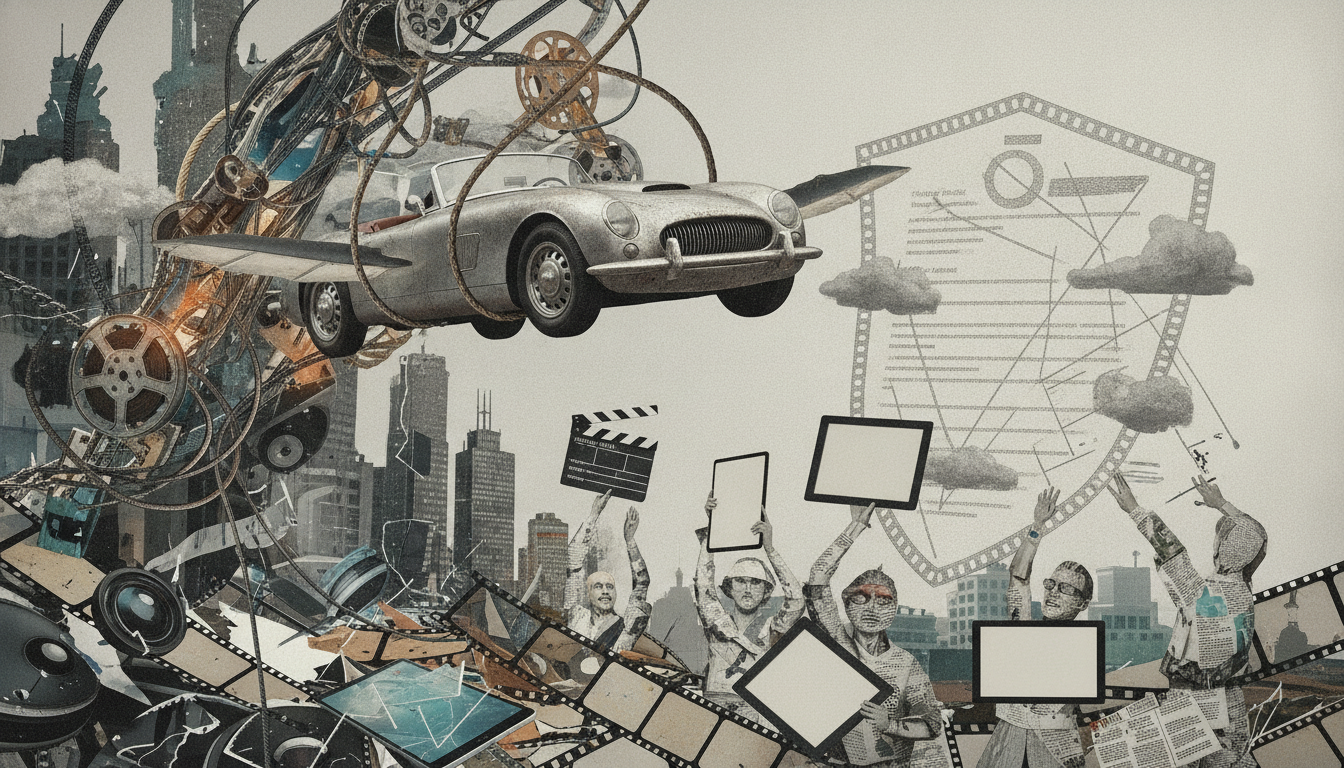
The Tesla Roadster flew upside down this week in Waco, Texas. That single demo tells you more about 2026’s tech mood than any earnings call.
Elon Musk promised a flying car years ago. On Wednesday, Tesla finally delivered a demonstration that backed up the hype. The Tesla Roadster drove upside down, briefly lifted off the ground, and hit 60mph in under a second. It still won’t reach customers anytime soon. But the spectacle landed at a strange moment for the industry.
The Tesla Roadster Stunt Versus the Timeline Problem
Tesla has delayed the Roadster’s production repeatedly since 2017. This latest demo doesn’t change that pattern. The Tesla Roadster remains a concept on wheels, not a car in driveways. Still, the theatrics matter strategically. Tesla needs a win after a rough stretch of EV demand questions and stock volatility. A flying, flipping supercar generates headlines that quarterly delivery numbers never will.
That’s the real story here. When the product roadmap stalls, the spectacle fills the gap. Investors watch narrative momentum as closely as they watch balance sheets.
Hollywood Turns the Camera on Silicon Valley
While Tesla stages its own myth-making, Hollywood tells a darker version of the same industry. Aaron Sorkin’s The Social Reckoning casts Mark Zuckerberg as a cold, destabilizing force. Nathan Fielder and Lance Oppenheim’s new feature takes a similarly skeptical lens to tech culture, according to The Verge. Neither film treats founders as visionaries anymore.
This shift matters beyond box office returns. Public sentiment shapes regulation, hiring, and consumer trust. When mainstream entertainment paints an industry as villainous, lawmakers notice. So do customers deciding which gadgets to let into their homes.
Consent Becomes the New Battleground
That trust question shows up directly in AI hardware too. Devices like Meta’s Muse ask users to hand over not just their own data, but data about everyone around them. The Verge’s reporting on this trend highlights a quiet problem: consent rarely extends to bystanders.
Follow the money and you’ll see why companies push these devices anyway. Personal data trains better models. Better models justify higher valuations. The business case for ambient surveillance is strong, even when the ethics are murky.
Smaller Signals Worth Watching
Not every story this week carries existential stakes. Valve rolled out “achievement sets” on Steam, letting developers organize unlocks across a base game and its DLC. It’s a small quality-of-life update, but it shows Valve still iterates on core platform features rather than chasing trends.
Rockstar Games also dropped a new launch trailer for Grand Theft Auto VI. The 90-second clip doesn’t reveal much new, as The Verge notes. Take-Two Interactive doesn’t need flashy reveals right now. GTA VI practically sells itself a month before launch, making careful fans consider their pre-order gaming headset (paid link) ahead of release.
Tesla Roadster: What Connects These Stories
Here’s what the numbers tell us. Tesla uses spectacle to paper over delays. Hollywood uses narrative to process real anxiety about tech power. AI companies use convenience to justify data extraction.
Each move reflects a company managing perception as carefully as product. That’s the pattern underneath this week’s headlines.
Tesla Roadster: Key Takeaways
- The Tesla Roadster demo builds hype, not a shipping product.
- Hollywood’s tech backlash signals shifting public trust in Silicon Valley.
- AI gadgets raise consent questions that regulators will likely address.
- Steam’s achievement sets show platform-level polish still matters.
- GTA VI’s marketing confidence reflects Take-Two’s strong pre-launch position.
As an Amazon Associate, TechMogo earns from qualifying purchases.