










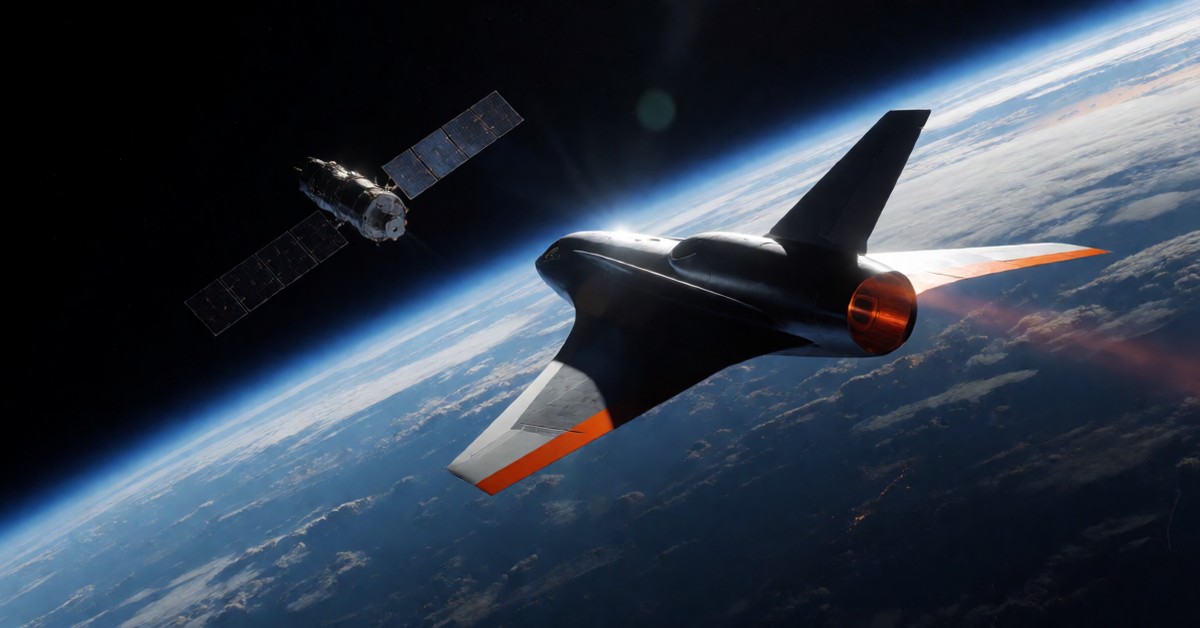
True Anomaly and Rocket Lab recently performed high-speed satellite fly-bys for the United States Space Force. This operation resembles Top Gun-style exercises and highlights the growing capability of private aerospace companies to support critical military objectives. These complex maneuvers test and refine the operational limits of modern military space assets. The successful completion of these Private Space Missions shows that private companies meet demanding government standards for precision.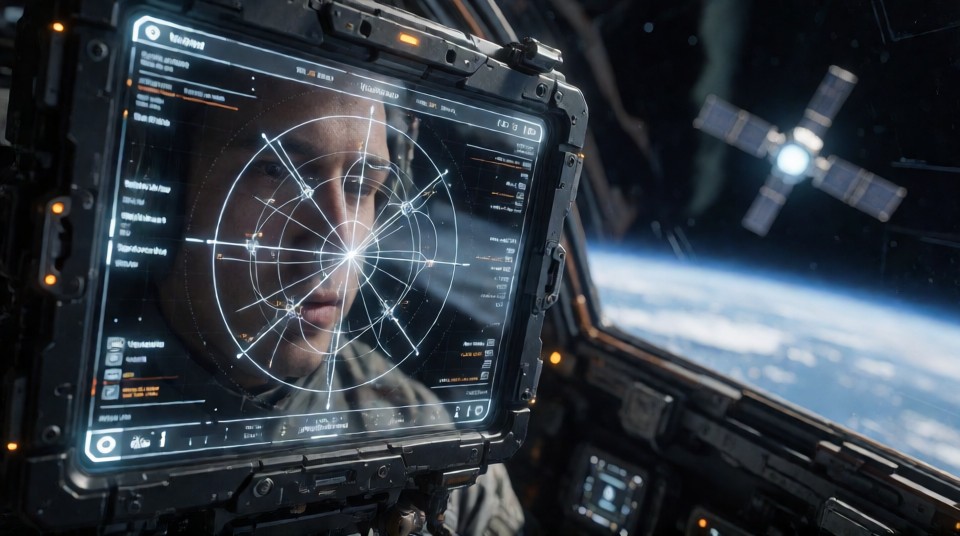
Testing Private Space Capabilities
private entities like True Anomaly and Rocket Lab now take on complex missions for the US military. These missions mimic high-stakes aerial dogfights, helping the Space Force evaluate safe proximity to functioning satellites. The fly-by process requires intricate calculations to ensure satellites remain unaffected by the spacecraft’s closeness. This operational testing suggests a growing reliance on commercial partners for sensitive government tasks. These Private Space Missions allow the Space Force to gather crucial data about satellite behavior under various conditions. The military prepares for future defense scenarios by simulating challenging flight paths. Such exercises are vital for maintaining situational awareness in orbit, especially as more objects populate space.
What does this mean for space security?
These maneuvers represent a serious step in military space doctrine, moving beyond simple demonstrations. The US Space Force seeks ways to improve its ability to track and interact with orbiting objects. By using private aerospace contractors, the military gains access to specialized technology and unique operational expertise. This collaboration allows the Space Force to expand its reach without building every necessary piece of hardware internally. The outcomes of these Private Space Missions will likely inform future defense strategies against potential space threats.
Navigating the Orbital Area
To understand these missions, one must consider the environment where they occur. Satellites orbit the earth at incredible speeds, often traveling thousands of miles per hour. Flying near these objects requires highly specialized guidance systems that account for orbital mechanics and gravitational pull. True Anomaly and Rocket Lab pilots must navigate these conditions while maintaining strict safety protocols. These pilots execute missions that push the boundaries of current aerospace engineering.
Each satellite fly-by provides a unique data point for the Space Force to analyze. The gathered data helps the military understand how objects behave in the vacuum of space. This information is invaluable because defense planners anticipate how different objects might react during conflict. High-speed navigation is required for all maneuvers, and private contractors bring unique technological skills.
Data gathered helps predict satellite behavior. Private contractors bring unique technological skills. Missions test the limits of current orbital safety. High-speed navigation is required for all maneuvers.
The Value of Partnerships
Government agencies often face resource constraints, making private contractors essential for large-scale projects. True Anomaly and Rocket Lab bring their specialized technology and expert personnel to these missions. This partnership lets the US Space Force accelerate its technological progress without lengthy government procurement cycles. These commercial efforts reflect a broader trend toward privatization in national security operations. The success of these missions signals a new era of joint military-commercial operations. Future missions will expand as technology matures, helping the military refine protocols to protect national assets in space. Related context: tech coverage.