



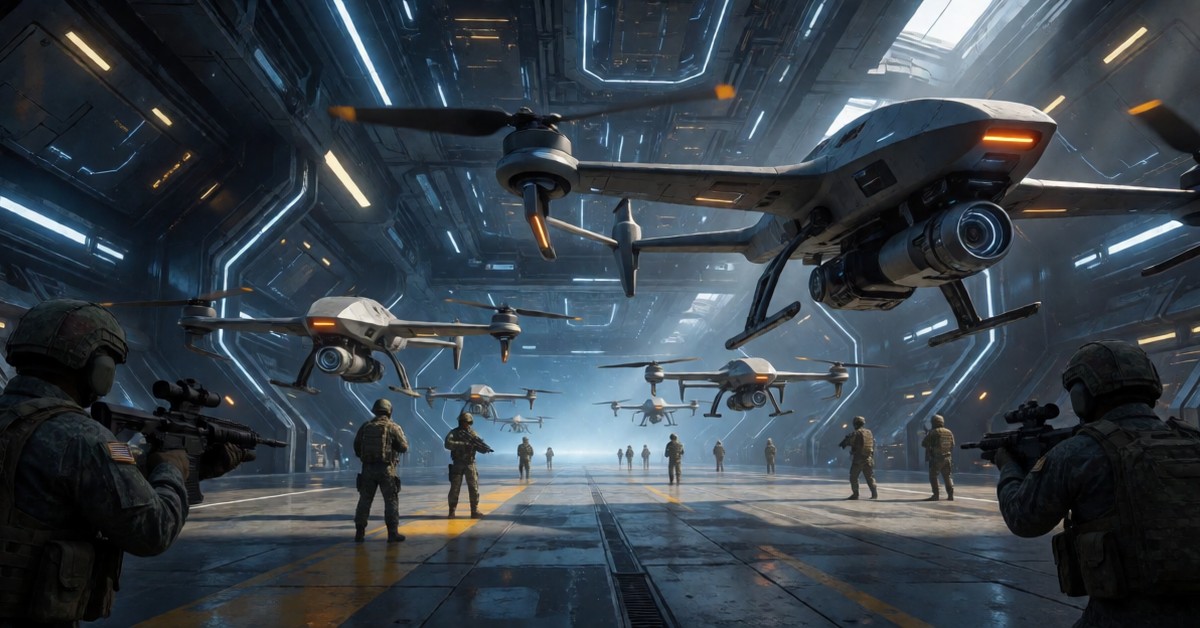
South Korea plans to fully train its entire military as “south korea drone warriors,” preparing half-million soldiers to operate drones as a universal fighting tool. This big military effort marks a major shift in national defense planning, which moves past old ground fighting toward smart aerial strength. The government claims this large-scale training gives the nation a deciding edge in future fights, although experts still point out many challenges.
This full military initiative involves preparing half-million personnel, which makes up a big part of the nation’s defense force. Training these individuals to handle drones as a universal fighting tool means they will gain skills applicable across many types of battles. Such preparation shows that the military sees drone technology not just as a weapon, but as a core operating method for the whole army.
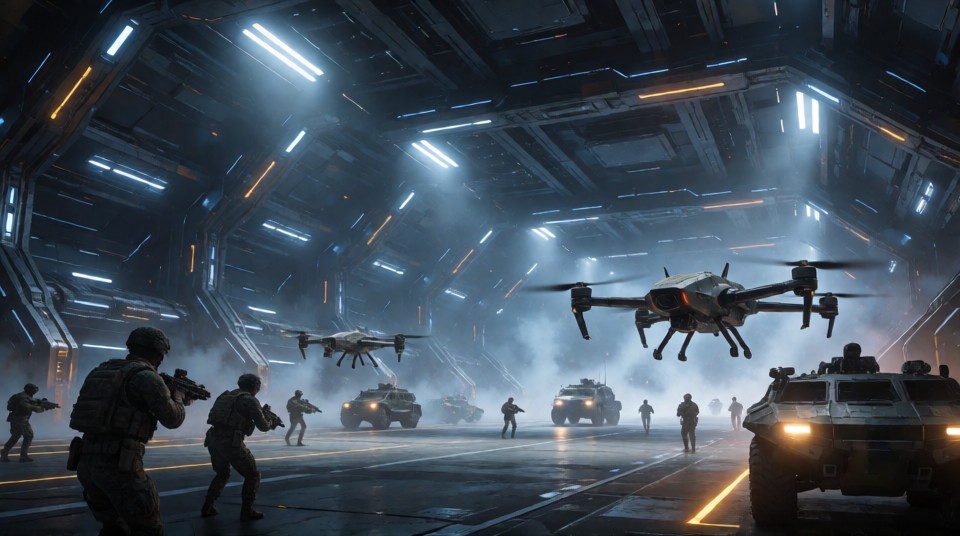
The Scope of Drone Warfare Training
The choice to train a half-million-strong military shows how seriously South Korea views future security threats. Turning soldiers into “south korea drone warriors” allows the nation to quickly modernize its defense system against changing regional pressures. This change lets the military deploy many different aerial devices fast, which greatly increases tactical flexibility.
The idea of a “universal fighting tool” means drones will perform many jobs, which goes past simple attack missions. These devices might perform surveillance, reconnaissance, or even supply support during intense fighting. Because the training is so wide, it suggests that drone operation skills will become a basic need for many service members.
Training half-million soldiers on these new platforms requires a huge investment in resources and smart instructional systems. The military must set up new learning programs that teach both the technical use and the strategic use of these unmanned devices. This big logistical effort shows the government’s commitment to keeping a strong military posture for the country.
What This Means for National Security
For regular citizens, the “south korea drone warriors” program ultimately means increased national security, which provides a sense of peace. A highly trained military that can use many drone types can stop potential attackers from launching hostile actions. This ability sends a powerful message to other nations about South Korea’s readiness to defend its land.
The ability to deploy drones quickly gives the military several key advantages over older fighting styles. For instance, drones help forces gather real-time data from dangerous areas while staying physically safe. This improved information gathering helps commanders make faster, smarter decisions during a conflict, which is extremely important.
The training program focuses on adapting the military to new battle facts, which traditional methods cannot handle. The shift toward drone use shows the military accepts that technology will redefine combat itself, even for the “south korea drone warriors.” They are essentially building a new kind of fighting force that is optimized for the 21st-century war zone.
The military’s claims about the training’s success need careful watching because new technologies always present unknown things. While the military says this grants them an edge, the systems’ actual performance in real-world situations still needs to be seen. Many people wonder whether the speed of this change can truly match the complexity of modern international security issues.
The success of this large-scale training depends heavily on several factors that the military must manage well. These factors include maintaining the drone fleets, continually training personnel, and using these tools within existing military systems.
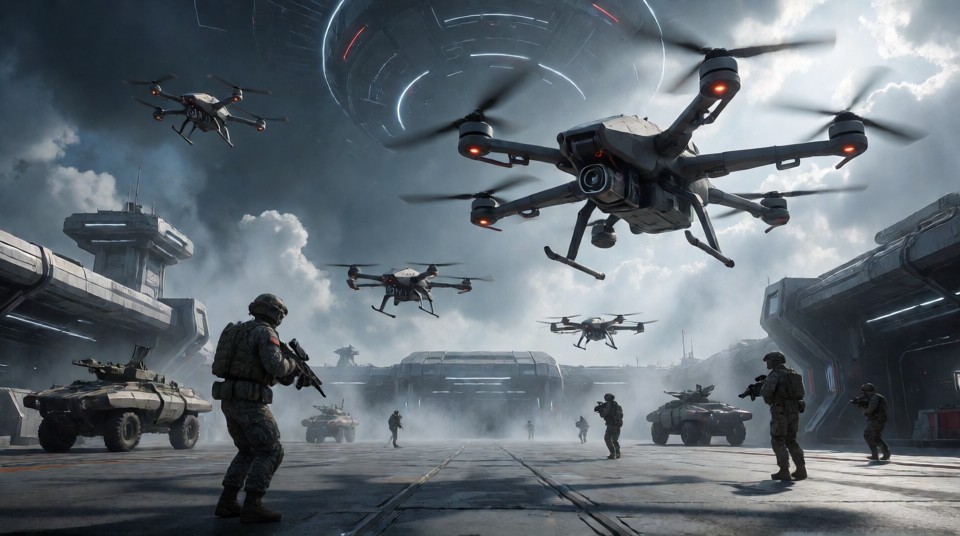
Specific Aspects The New Training
Specific aspects of the new training methods include:
- Mastering various operating settings for different drone models.
- Learning smart tactics for drone use in disputed areas.
- Developing coordination methods between drone operators and ground troops.
The military must also address the ethical questions that arise when so many people become “south korea drone warriors.” Using drones in combat raises complex questions about duty and the rules of engagement, which governments must address.
This full military preparation shows South Korea’s commitment to staying competitive among global military powers, which is a big economic and political statement. By investing so heavily in drone technology, the nation secures its standing in the competitive international security landscape for years. This investment strongly indicates future defense spending choices.
The program’s focus on making drones a “universal fighting tool” suggests a goal of operating simply across different units. This avoids requiring every unit to become a specialized drone squadron, which would strain resources. Instead, it promotes a standard approach to aerial support across the whole army.
This nationwide training effort fundamentally changes the relationship between the soldier and the weapon, which is a major conceptual shift. Soldiers are not just operating guns; they are operating smart, networked aerial systems that require technical skill. This change raises the needed skill set for every member of the armed forces.
The overall effect of turning soldiers into “south korea drone warriors” creates a highly adaptable force, which can quickly respond to various threats. This adaptability is a key factor in modern warfare, allowing armies to pivot between different missions fast when needed.
The Military Must Consider This
The military must also consider the training period’s effect on operational readiness, which always concerns any large force. While training is vital, too much time away from combat drills could create gaps that adversaries might exploit. Balancing training with constant readiness presents a unique management challenge.
The “south korea drone warriors” program, therefore, is not just about getting new gadgets; it is about fundamentally changing the nation’s military culture and doctrine. This change shows a belief that technology can solve many of the traditional problems associated with large military deployments. For related coverage, see tech coverage.