










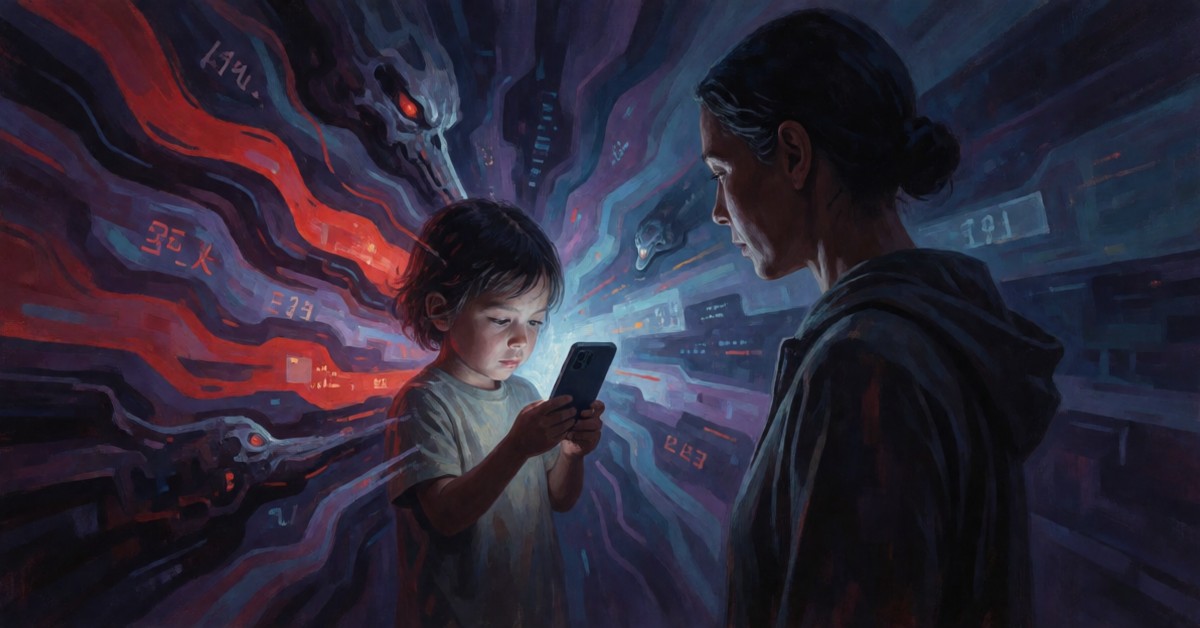
A recent survey showed that most Americans support a social media ban for children under age sixteen. Public concern over digital safety is now reaching a peak. This finding suggests a growing societal desire to protect young users from online risks, including exposure to harmful content. Parents, who spoke most in the research, showed the highest support for these protective measures. They worry about their children’s mental health in the digital world. The research indicates nearly two-thirds of parents with children under eighteen strongly favor a complete or highly regulated restriction on these platforms. This strong public opinion raises important questions about how quickly governments might respond to these safety claims regarding a social media ban.
Why Are People Concerned?
The push for a total social media ban for younger users stems from several widely reported concerns. Many people worry about the negative effects constant online activity has on a developing mind. This activity can lead to issues like anxiety or poor self-esteem. The platforms themselves collect vast amounts of personal data from young users, raising major privacy issues. Parents often feel that current parental controls lack the strength to keep up with the changing tactics of these digital companies. Widespread fear surrounds minors being exposed to harmful content, posing a serious risk to their emotional and physical well-being. This collective anxiety drives the strong desire for a social media ban.
Parents with children under eighteen were the most likely group to advocate for a complete ban. They show a high degree of concern over their kids’ digital lives. While the survey did not define the scope of the proposed ban, respondents are not interested in minor adjustments to current rules. Instead, they call for a drastic change in how these platforms operate for minors. This data suggests that the problem is systemic, rather than caused by only a few bad actors on the internet. The public is ready to support a strong social media ban to safeguard the nation’s youth.
Solutions and the Future of Online Safety
Given the strong public push for a social media ban, many experts suggest that a complete ban is not the only solution. Instead, they propose combining strict regulation with better education for families. Parents can take several steps to manage their children’s online exposure and mitigate risk. These steps include: Setting clear limits on daily screen time for all devices. Actively reviewing the privacy settings on every social media account your child uses. Teaching children how to recognize and report suspicious online behavior.
While personal actions help, many people argue the responsibility belongs with the tech companies. These companies claim they improve their age verification systems so younger users cannot bypass the rules. A complete social media ban requires major governmental action, which demands debate over freedom of expression for young people. The debate continues over whether a ban is the best way to solve these deep problems.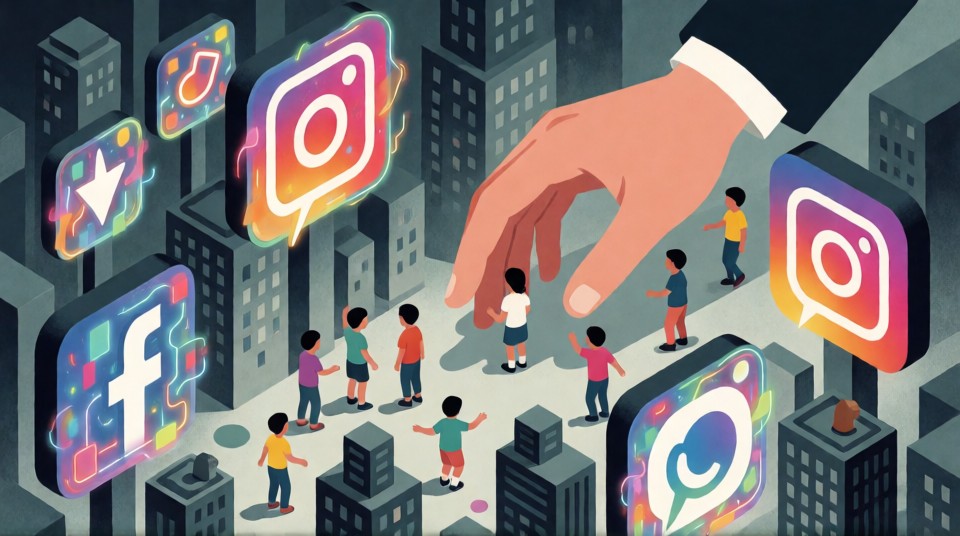
Many people believe a full ban is too extreme and instead advocate for a middle ground. These alternatives aim to keep the benefits of digital connection while removing the most harmful elements. For example, some suggest platforms should be legally required to provide default settings highly protective of child privacy. Other proposals call for government funding to create better digital literacy programs in schools. The goal of these alternatives is to create a safer environment without completely shutting down internet access. The discussion around a social media ban reflects a broader societal reckoning with technology’s impact on growing people.