










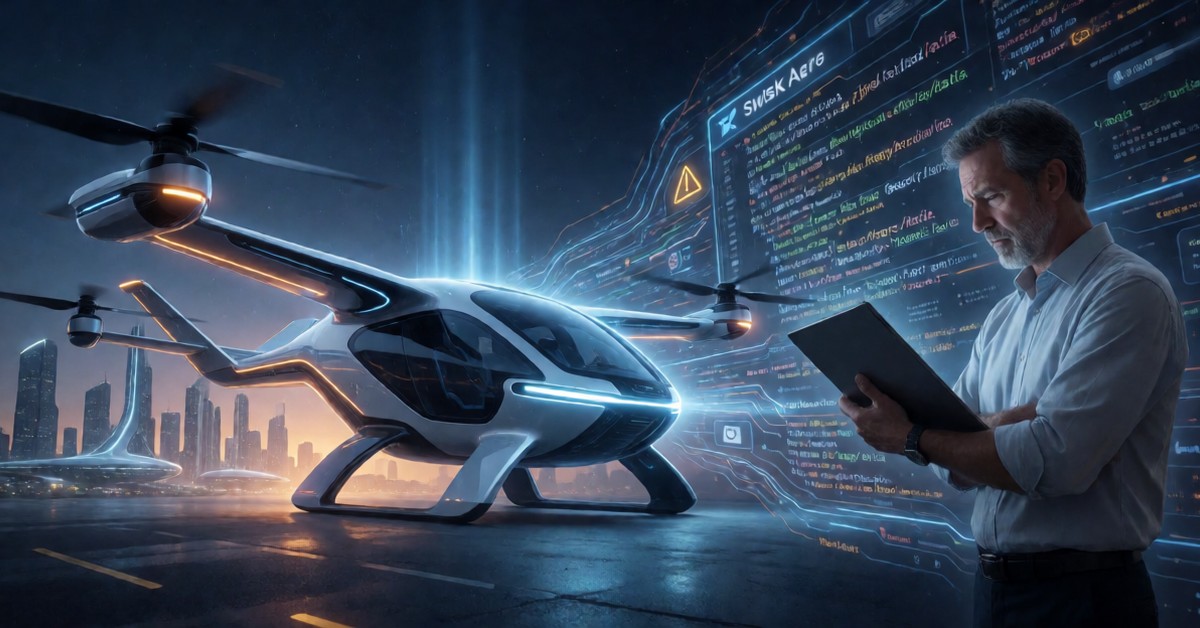
A former software manager at Wisk Aero claims the company rushed software testing ahead of a crucial 2025 flight test, which introduces potential wisk aero safety concerns. This individual stated that the compressed timeline for software checks led to the firing of the manager who reported these critical issues. This claim adds a new layer of scrutiny to the development of autonomous air taxis, forcing the industry to reevaluate its current pace of innovation and safety. Boeing backs Wisk Aero, consistently promoting its autonomous flight technology as a major step forward for urban air mobility. However, these claims from a former employee cast a significant shadow over the company’s commitment to thorough development processes.
Key Details
The former manager reportedly raised worries about the maturity of the flight software, stating it was not ready for the upcoming flight tests. This individual suggested that pressure to meet milestones caused shortcuts in the necessary verification and validation procedures. Because the manager voiced these concerns, the company reportedly terminated their employment. The timing of this termination, following the raising of Wisk Aero safety concerns, has drawn attention from industry observers and regulators. These claims suggest that internal staff may have suppressed dissent regarding safety protocols. For everyday users who might use these air taxis, the integrity of the testing phase remains paramount to ensuring safe operation. A rushed testing schedule could potentially leave critical system failures undetected until the aircraft takes flight. Experts emphasize that rigorous pre-flight simulation and real-world testing are essential aspects of modern aerospace engineering. The manager’s report suggests internal protections may not have worked or were ignored. The scrutiny surrounding wisk aero safety concerns will likely intensify as the company moves closer to commercial operations.
What does this mean for autonomous aviation?
This situation raises important questions about how companies manage risk during rapid technological scaling. Autonomous aircraft development involves complex systems that must perform perfectly under a wide range of environmental and operational conditions. Because the aircraft rely on advanced artificial intelligence, any flaw in the Software could have serious consequences for passengers. Regulators, like the FAA, maintain strict guidelines for these types of operations, but the internal development process remains a specific company issue.
The integrity of the flight control system is vital. Software checks must meet strict safety benchmarks. Internal reporting of safety issues requires a protected channel.
Shortcuts in the development process are considered a major red flag by safety engineers worldwide. This specific claim challenges the company’s public narrative regarding its development rigor. Developing reliable autonomous systems requires extensive data collection and simulation that often takes many years to complete properly. The ongoing discussion about wisk aero safety concerns serves as a reminder that innovation must always be linked to an unwavering commitment to safety.

Main Impact
Industry analysts suggest that the company must now provide detailed information about its testing protocols to regain public and regulatory trust. Transparency regarding the milestones achieved and the methods used to validate the flight software will be necessary. The focus of the inquiry will likely shift toward specific technical metrics, such as the number of simulation hours and the frequency of ground tests. This level of detail is what regulators demand before approving significant flight operations. Following these claims, Wisk Aero will likely face heightened oversight from aviation authorities, which is a standard response to serious employee reports. The company must address these concerns directly, either by conducting internal reviews or by providing external validation of its testing phases. The outcome of these proceedings will significantly impact the future trajectory of autonomous air travel in the United States.