










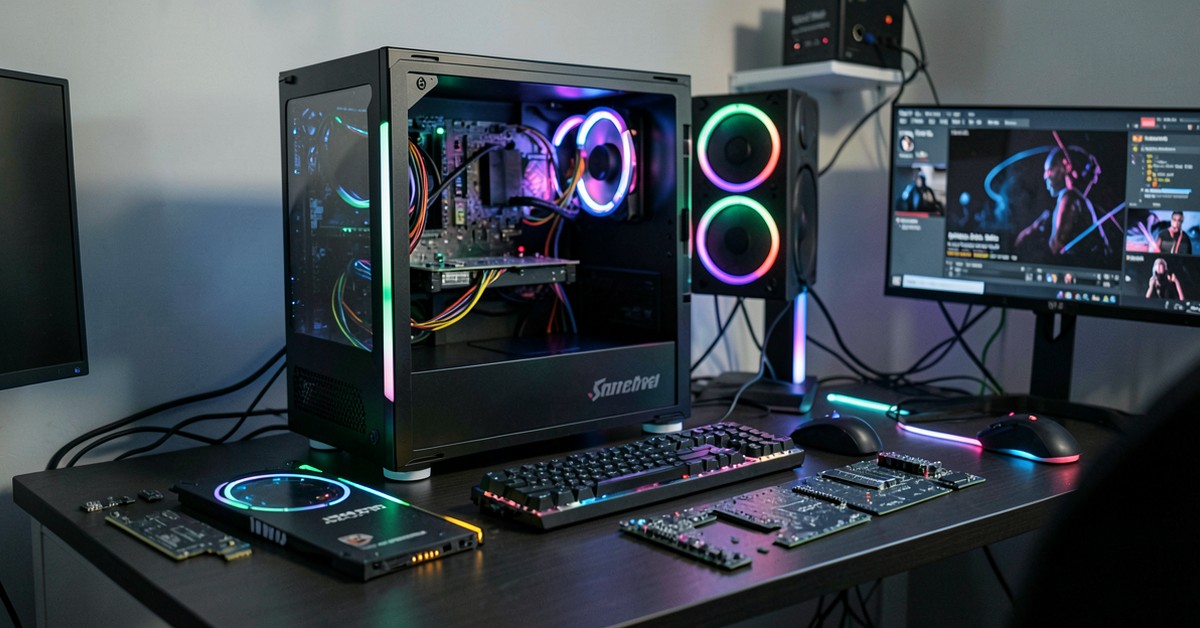
Intel makes quiet moves that show a company still cares about budget PC gamers, even while the wider computer industry focuses on costly artificial intelligence projects. Although market forces push hardware prices higher because data centers use huge amounts of memory, Intel still claims that it supports lower-cost PC builds. This approach offers some hope because someone inside the industry still considers the needs of everyday PC users, which many people have felt ignored recently.
The Financial Pressure on PC Builders
The overall cost of computer parts climbed sharply because massive data center projects are using up all available memory resources. Because of this demand, memory makers shift production toward high bandwidth memory, or HBM, which big enterprise AI setups need. This change caused the cost of memory and storage to jump several hundred percent just over the past year, so building a PC became difficult. These rising memory expenses consequently send graphics card prices higher, because the cost of video memory, or VRAM, keeps going up.
Gartner predicts that 2026 will be the biggest drop in global PC sales in more than a decade, which shows the current economic troubles for consumers. This decline happens because other devices, including consoles, tablets, and phones, followed the price increase trend, so it affects all consumers. Still, despite this market slowdown, Intel claims a different path than rivals who focus only on AI revenue. While AMD releases a $900 flagship X3D CPU, Intel is focusing on more affordable options for the average buyer.
Intel introduced Wildcat Lake, which is a line of Core 300 CPUs designed specifically for budget-conscious builders. These processors include built-in graphics, which helps users build systems without needing a separate, expensive graphics card right away. Also, the company claims to be extending multi-frame generation support to older Arc GPUs, which gives users more performance options. Furthermore, Intel is refreshing Arrow Lake 250K and 270K CPUs, which top out at just $300, therefore keeping the price point low.
Intel’s Focus on the Budget PC Gamers Market
Robert Hallock, Intel’s VP of Enthusiast Channel Business, stated that he views “enthusiasts” and budget-conscious buyers as one inseparable group. Hallock suggested that PC enthusiasm is really a mindset, instead of simply being about how much money a person has available. This view strongly contrasts with the general industry trend toward focusing only on massive, high-dollar enterprise projects. The company wants to help the needs of the majority of PC users, even those who are dedicated enthusiasts but lack unlimited funds.
This commitment is key because the biggest chip companies often shift their focus toward the highest-paying, most profitable markets. While Nvidia promotes its AI strategy and AMD slowly rolls out its upscalers, Intel appears to be prioritizing the consumer segment. This shift is notable because it shows a major chip maker acknowledging the struggles of everyday consumers. So, many budget PC gamers need accessible, reliable hardware options to keep their hobbies going during these economic times.
Hallock also mentioned that the company plans to offer longer socket support lifespans for its motherboards. Instead of supporting just one or two generations of chips, Intel suggests supporting three or four generations, much like AMD chipsets do. This long-term support helps users avoid replacing entire systems when a newer chip arrives, which saves them money. This longevity directly benefits budget PC gamers who require maximum value from their initial hardware investment.
New Features for Everyday PC Users
Hallock also shared that budget-focused users deserve high-end features, including the ability to overclock their systems. Previously, Intel limited overclocking features mainly to its premium K-series CPUs and ZX90 motherboards. Now, Intel claims it wants to bring these performance-boosting features to a wider group of consumers. This kind of product accessibility makes the PC building hobby more inclusive for many people.
The company claims it is using feedback from the global desktop community to deliver better technologies and transistors. This indicates that Intel actively listens to what consumers actually need, instead of just building products for data centers. For example, these changes include:
- Offering lower-priced CPUs like the Core 300 line for entry-level builders.
- Extending software features to older GPUs, which extends the life of existing hardware.
- Providing longer motherboard support, which reduces the need for expensive system upgrades.
These changes give a clear benefit to budget PC gamers, allowing them to build powerful systems without a massive initial financial strain. The company states that it aims to deliver the best possible platform features for the desktop market as a whole.
While the company makes these claims, one must remain carefully skeptical about the long-term commitment to the budget segment. Because massive corporate demands often shift toward the highest-profit areas, these moves might only be temporary adjustments. However, the current offerings present a clear, quick alternative for budget PC gamers seeking strong value. For related coverage, see AI coverage.