







The iPhone Duo pre-order window lasted only a few hours before it turned into a long wait. Apple’s online store quickly started showing a January 22 shipping date for new orders. That is three months after the original October 23 launch target. This story follows iPhone Duo Pre Order.
This iPhone Duo delay says a lot about Apple’s supply planning for its newest form factor. It also lands in a busy week for gadgets, from AR glasses to AI wearables. Let’s unpack what happened and why it matters if you’re shopping right now.
iPhone Duo Pre Order: Why the iPhone Duo Sold Out So Fast
Apple opened iPhone Duo pre-orders today at 12 PM UTC, according to GSMArena. The device went live in over 70 countries and regions, including the United States, Germany, and Japan.
Unlike the iPhone 18 Pro and iPhone 18 Pro Max, the Duo did not launch alongside its siblings last month. Apple held it back for a separate pre-order rollout. That delay apparently did not give Apple enough time to build a deep inventory.
Within hours, shipping estimates stretched from the original October 23 date out to January 22. As reported by GSMArena, some early buyers will still get their phones on launch day. Most shoppers who missed the first wave face a three-month wait instead.
What This Means for the iPhone Duo’s Reputation
Limited supply can look like genuine demand, and sometimes it is. But a dual-screen or dual-body phone like the Duo is also a new format for Apple.
New form factors usually come with tighter component constraints early on. Foldable and dual-panel devices from Samsung and Huawei have hit similar snags in their first year. If you want a Duo without the long wait, check with carrier stores or secondary retailers for walk-in stock.
Patience matters here. Three months is a long time to sit on a pre-order with no physical device in hand.
Xreal’s AR Glasses Get Brighter Without a Price Hike
While Apple deals with Duo scarcity, Xreal pushed out a steady, practical upgrade. The new Xreal 1 Pro+ launches at the same $599 price as its predecessor, per GSMArena.
The headline change is brightness. Peak output jumps to 1200 nits, up from 700 nits on the original Xreal 1 Pro.
That matters for anyone using these glasses outdoors or under bright office lighting. Dim AR displays wash out fast in daylight, which has been a common complaint with this product category.
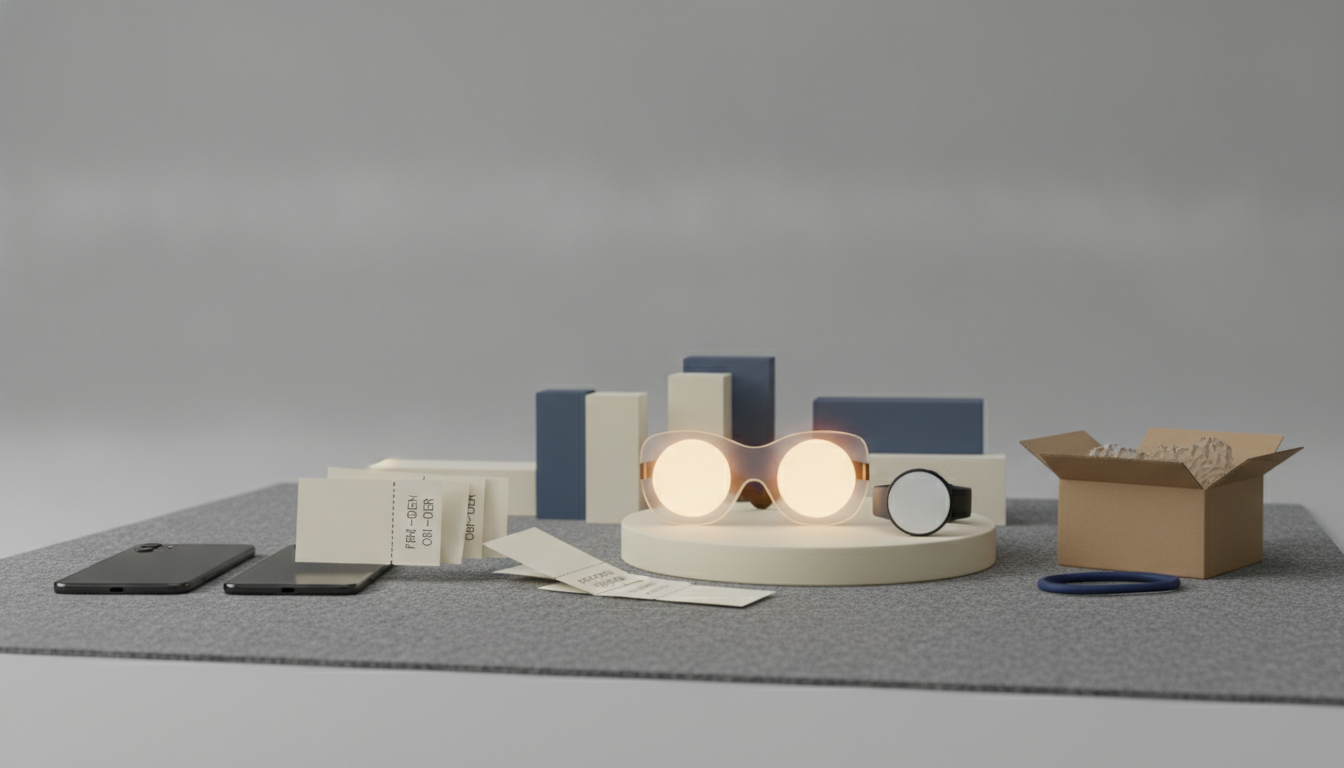
Xreal also doubled the 2D to 3D conversion rate to 60fps, up from 30fps. That should make spatial video and games feel noticeably smoother. The panels themselves stay the same, with 0.55-inch Sony Micro-OLED displays at 1920×1200 resolution.
For buyers comparing AR smart glasses (paid link) options this season, Xreal’s refresh is a smart move. It improves daily usability instead of just chasing new specs for a press release.
OnePlus Ace 7 Camera Leaks Point to a Bigger Sensor Push
Camera hardware is also heating up on the Android side. Tipster Digital Chat Station claims both the OnePlus Ace 7 and Ace 7 Pro will carry 200MP main cameras, according to GSMArena.
Earlier rumors suggested this upgrade might stay exclusive to the Pro model. If the leak holds up, OnePlus is making a clear statement about its mid-range strategy.
Both phones recently showed up on Google’s Supported Devices list, which usually signals a launch is close. A shared 200MP sensor across the standard and Pro models would be a notable value play.
Megapixel count alone does not guarantee better photos, though. Processing, sensor size, and software tuning matter just as much as resolution. We’ll need hands-on samples before judging real-world image quality from these new sensors.
Amazon’s Bee Wearables Enter the Crowded AI Gadget Space
Amazon also jumped into the always-listening AI wearable trend this week. The company launched two new devices: the Bee Frontier wearable and the Bee Eclipse phone attachment, as detailed by GSMArena.
Both devices listen to conversations and turn them into summaries, to-do lists, and reminders inside the Bee app. The Frontier wearable clips onto clothing or wraps around your wrist on a silicone band. It comes in Lavender, Sage, and Onyx colorways.
Specs include dual microphones with noise filtering and IP67 water resistance. Battery life reaches up to seven days, and the device charges over USB-C.
Privacy Concerns Still Shadow Always-On Listening
Any always-listening device raises real privacy questions, and Amazon’s Bee lineup is no exception. Users should check exactly how recordings get stored and whether conversations with other people get flagged for consent.
This category has grown fast, with devices like the Friend AI pendant chasing similar territory. Before buying into this trend, ask what happens to your audio data after processing. Also check whether you can delete recordings permanently, not just archive them.
iPhone Duo Pre Order: How These Stories Connect
Each of these launches shows a different side of the same pressure in consumer tech. Companies are racing to ship new form factors, brighter displays, bigger sensors, and smarter wearables.
The iPhone Duo shows what happens when ambition outpaces supply chain readiness. Xreal shows that incremental, honest upgrades can still win customer trust. OnePlus is betting that flagship-grade cameras can trickle down to mid-range phones. Amazon is betting that people want AI listening in their pocket or on their wrist.
If you’re shopping this month, your buying decision should depend on patience and privacy comfort, not hype.
iPhone Duo Pre Order: Quick Buying Guide by Priority
- Want the iPhone Duo now: expect a wait into January, or check retail stock in person.
- Want brighter AR glasses: the Xreal 1 Pro+ offers a real upgrade at the same price.
- Want a camera-focused mid-ranger: wait for official OnePlus Ace 7 confirmation before ordering.
- Curious about AI wearables: read Amazon’s privacy policy before committing to a AI wearable device (paid link).
iPhone Duo Pre Order: Final Takeaways
The iPhone Duo’s rocky pre-order rollout is the biggest story of the week. Supply constraints mean most buyers face a long wait before their phone ships.
Xreal, OnePlus, and Amazon each show different approaches to standing out right now. Pay attention to real-world usability, not just launch-day spec sheets. That is still the best way to judge whether any of these devices earns a spot in your daily routine.
As an Amazon Associate, TechMogo earns from qualifying purchases.