




The recently launched ROG Zephyrus G16 RTX 5080 laptop immediately drew attention because Asus prices it higher than some gaming laptops with better graphics cards from 2025. This pricing structure challenges the general belief that a new hardware generation always offers a clear and affordable path for gamers. While the maker claims this specific machine runs faster and holds more memory, the high cost makes buyers weigh performance against their budget.
Performance Versus Price: The RTX 5080 Laptop Dilemma
Asus claims that the new ROG Zephyrus G16 RTX 5080 laptop runs faster and includes more RAM than other competing systems. This claim suggests that the extra parts or design changes in the machine justify the higher retail price for the consumer. For gamers who seek top-level performance, the promise of more RAM and faster processing helps them achieve smoother gameplay and better multitasking during hard sessions.
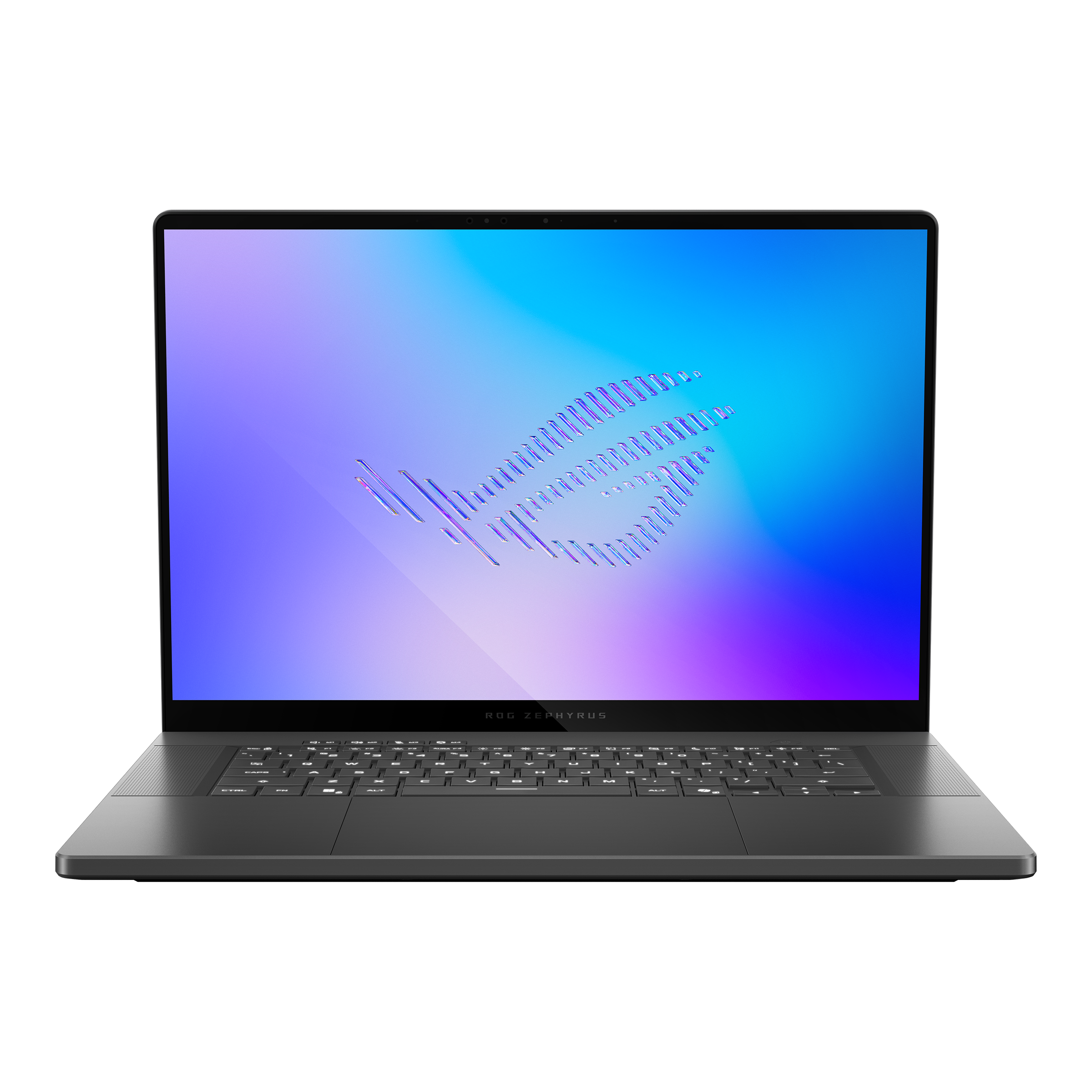
The difference in cost is especially big because the laptop’s price exceeds some 2025 models that feature superior graphics processing units. This comparison raises questions about which specific features cause the price to be so high, especially when looking at the next generation of hardware. Users must examine whether the design choices of the ROG Zephyrus G16 RTX 5080 laptop truly offer enough value to justify the high price.
Consumers should consider several factors when they analyze the performance claims versus the high price of the RTX 5080 laptop. These factors include:
- The type of cooling system the machine uses, which greatly affects sustained performance during long gaming sessions.
- The exact specifications of the increased RAM, which determines if the memory benefits are practical for common tasks.
- Whether the chassis design includes other high-quality parts, like better screens or input devices.
Understanding The Hardware Claims
The maker specifies that the ROG Zephyrus G16 RTX 5080 laptop provides both increased speed and more RAM, which are key factors for demanding users. Speed improvements generally relate to the GPU’s power to process information, allowing the machine to show complex graphics at faster frame rates while keeping quality high. Increased RAM lets the operating system and programs handle many tasks at the same time without slowing the whole system down.
These hardware changes matter a lot to everyday users because better speed and memory directly lead to a smoother, less frustrating computing experience. When running modern games or creative software, having enough resources ensures the machine avoids performance issues, which is a common problem in less powerful devices. The specific claims about the RTX 5080 laptop suggest Asus focuses on improving the overall user experience, not just the raw graphics power.
Why This Pricing Matters to Buyers
The fact that the RTX 5080 laptop costs more than a competing machine from 2025 creates a point of debate about what the market is worth. Buyers need to understand whether the perceived benefits of the ROG Zephyrus G16 RTX 5080 laptop outweigh the financial strain of its initial higher cost. This pricing model forces the market to question whether innovation always equals a higher price, or if efficiency gains are possible.
Some industry watchers suggest that the extra cost might cover changes in build quality or display technology, which the initial claims do not detail. Still, without full, independent reviews detailing these parts, consumers find it hard to verify the exact sources of the price rise. The high price requires potential buyers to look past marketing statements and analyze the actual internal components.
For those considering the purchase of an RTX 5080 laptop, knowing the market context is key because technology pricing is rarely simple. The comparison to 2025 models suggests the industry navigates a complex time where performance gains are not always priced predictably. The ROG Zephyrus G16 RTX 5080 laptop represents a specific choice in a very crowded and competitive high-end computing area.