






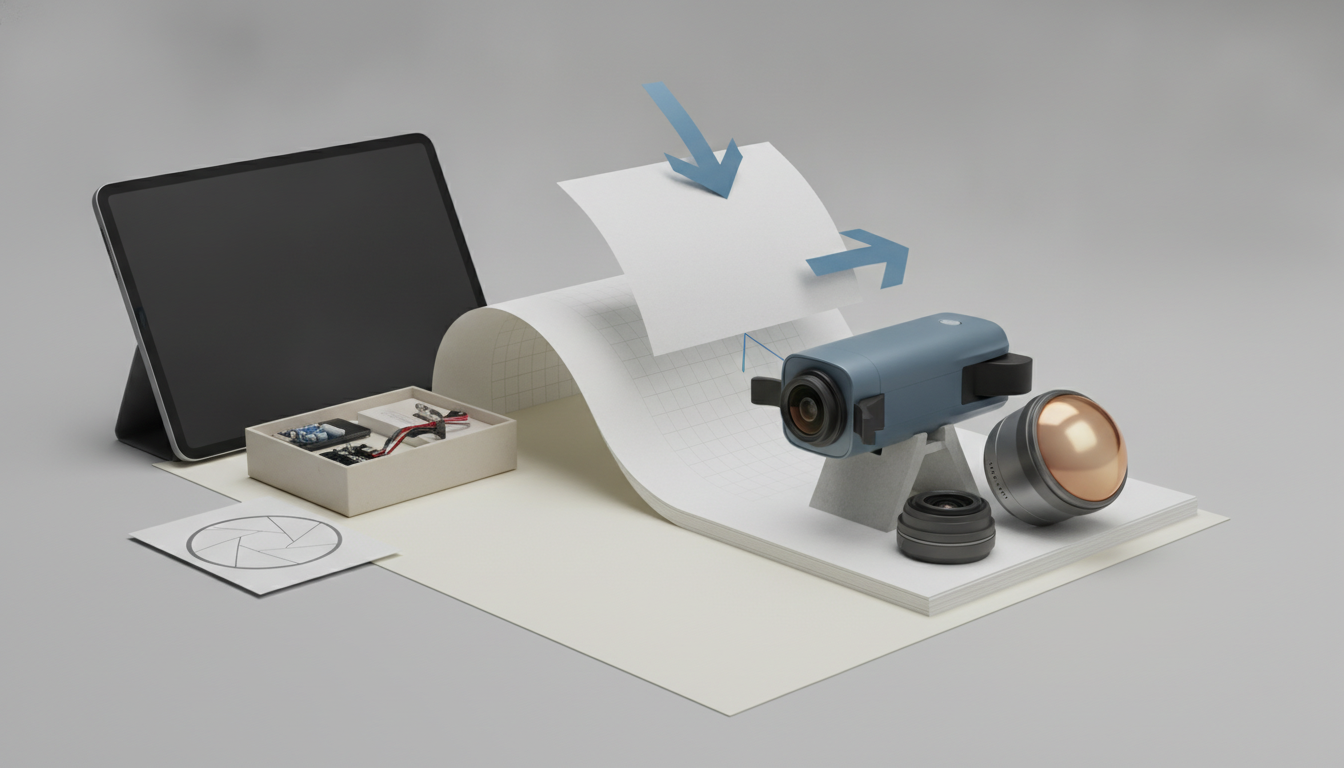
drone photography: A Fisherman’s Lucky Shot Changes the Conversation
Here’s the thing about drone photography right now: it’s not just for professionals anymore. A fisherman recently captured stunning footage of a massive whale feeding near the surface, and the clip spread fast online. As reported by PetaPixel, the footage shows just how far consumer drone photography has come.
A decade ago, you needed a helicopter and a six-figure budget for shots like this. Now you need a few hundred dollars and some patience.
Why This Matters for Everyday Photographers
I’ve covered camera gear for years, and the democratization story keeps repeating. First it was smartphones replacing point-and-shoots. Then mirrorless bodies got cheap enough for hobbyists. Now drone photography has joined the list of tools anyone can pick up and master.
The fisherman wasn’t chasing viral fame. He just happened to have a consumer drone with camera (paid link) in his boat when the whale surfaced. That’s the real shift. Extraordinary wildlife moments no longer require elite access. They require a camera in the right pocket at the right time.
Software Catches Up With the Hardware Boom
Hardware isn’t the only thing getting more accessible. Editing tools are following the same democratization path.
Pearla Revela Brings Everything Into One Workspace
Swiss developer Pearla Mostra, formerly House of Mars, launched Pearla Revela this week. It’s a new post-production workspace for Mac, iPad, and iPhone, according to PetaPixel.
The app handles RAW photo and video editing with one toolset. That includes cataloging, non-destructive node-graph editing, search functions, compositing, and export options.
I like this move. Photographers juggling multiple apps for cataloging, editing, and exporting waste real time. Consolidation like this saves hours over a busy shooting season.
DxO Tackles the Geometry Problem
DxO also dropped a major update this week. ViewPoint 6 arrived with new AI masking technology for perspective correction, as detailed by PetaPixel.
DxO calls it the most precise version yet. Anyone who’s shot architecture or wide-angle drone photography knows why this matters. Lens distortion ruins otherwise great shots, and fixing it manually eats up editing time.
AI masking promises to automate the tedious parts. If DxO delivers on that claim, it’s a genuine win for working photographers.
Fujifilm Doubles Down on Analog Nostalgia
Not every camera story this week chases cutting-edge tech. Fujifilm announced another 3 billion yen investment in Instax production, worth close to $19 million at current rates.
This follows an even bigger Instax investment the company made less than a year ago. Fujifilm clearly sees staying power in instant film, not just nostalgia.
I’ll admit some skepticism here. Instant film felt like a fad revival a few years back. But Fujifilm keeps betting real money on it, and the sales numbers apparently back that bet up.
A Fujifilm Instax instant camera (paid link) remains one of the few physical, tactile photo experiences left in a world of cloud storage and digital sharing. That tangibility might explain why younger buyers keep gravitating toward it.
PixelMeter Wants to Simplify Your Buying Decisions
Buying camera gear has always meant juggling conflicting reviews across a dozen sites. PetaPixel just launched a fix for that problem.
drone photography: A Standardized Score for Camera Gear
PixelMeter is the camera industry’s first dedicated review aggregator, according to PetaPixel. It pulls reviews from across the web and condenses them into one standardized score.
The goal is simple: let photographers spot the best gear at a glance. No more digging through ten different review sites with ten different rating scales.
I’ve wanted something like this for years. Camera reviews vary wildly in tone and rigor from outlet to outlet. A single trusted aggregator could genuinely save buyers time and money.
Whether PixelMeter earns that trust depends on transparency. Readers will want to know which outlets feed the score and how weighting works.
drone photography: The Bigger Picture: Gear Gets Smarter, Barriers Keep Falling
Put these five stories together and a clear pattern emerges. Drone photography puts incredible footage within reach of hobbyists.
Editing software consolidates once-separate workflows into single apps. Correction tools automate tedious fixes with AI. Instant film proves old formats can still find new audiences. And review aggregation promises to cut through marketing noise.
None of these developments alone feels revolutionary. Together, they tell a story about an industry lowering barriers at every stage, from capture to edit to purchase decision.
drone photography: What This Means for You
If you’ve been sitting on the fence about picking up a beginner-friendly drone (paid link), now’s a reasonable time to jump in. Entry costs keep dropping while capability keeps climbing.
Takeaways worth remembering:
- Consumer drone photography can now capture moments once reserved for pros with helicopters.
- New editing suites like Pearla Revela aim to replace multiple apps with one workflow.
- AI-powered tools like DxO ViewPoint 6 are automating tedious corrections.
- Fujifilm’s continued Instax investment signals real staying power for instant film.
- PixelMeter could simplify gear shopping if it stays transparent about its methodology.
The camera industry isn’t slowing down. It’s just spreading its best tricks to more people, more often.
As an Amazon Associate, TechMogo earns from qualifying purchases.