








Why East Greenland Night Photography Punishes the Unprepared
East Greenland night photography rewards patience more than gear. PetaPixel’s new field story makes that point clearly.
As PetaPixel reported, the work is about preparation, observation, and adaptation. The scenery is huge. The window for a given shot can last only minutes.
I read it as a buyer’s guide in disguise. Every challenge it describes maps to a gear or planning decision.
The Scene: Icebergs, Sea Ice, and Shifting Light
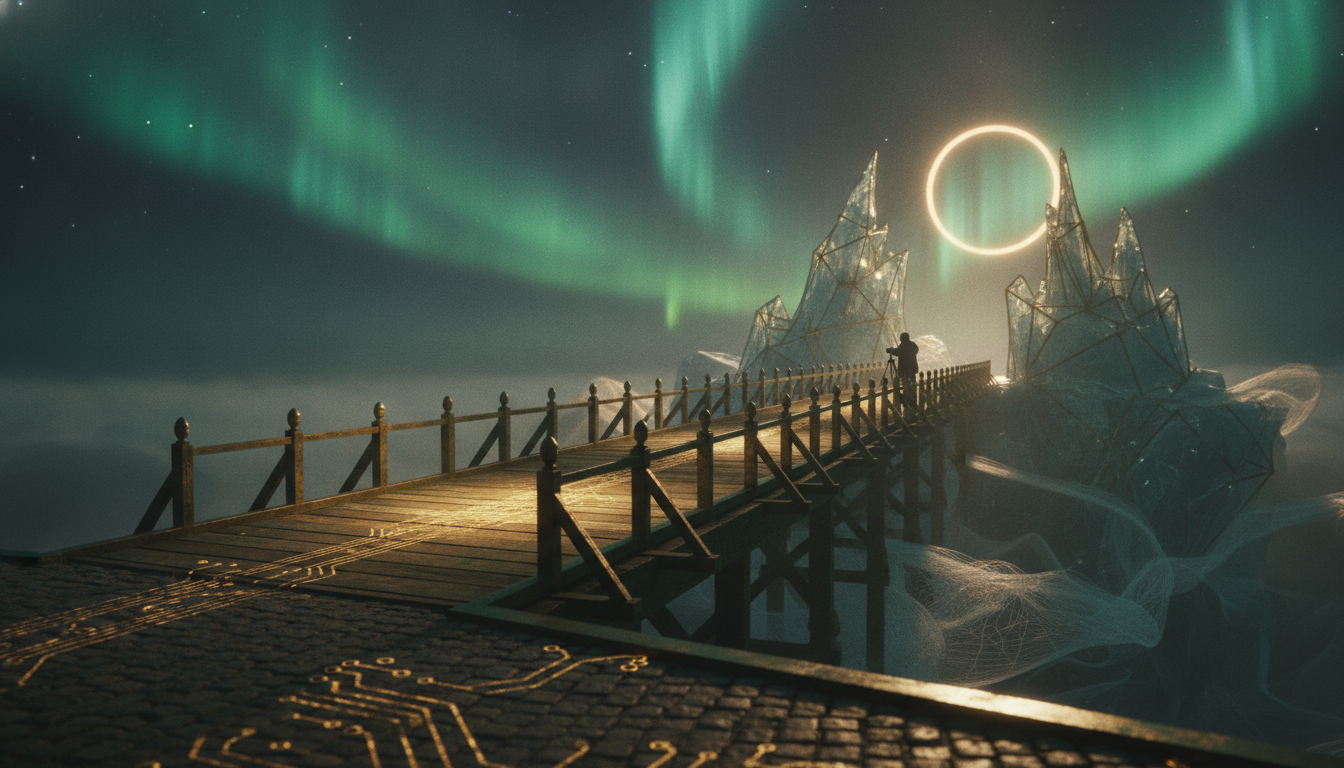
The landscape offers towering icebergs and drifting sea ice. Fog and low cloud roll in without warning. The Arctic sky keeps changing.
That mix changes how a scene looks from one minute to the next. Moonlight can flatten a view that looked dramatic ten minutes earlier. Aurora can then take over the frame.
The catch is simple. Great scenery in front of you does not guarantee a great image. You still have to read the light.
Concern One: Timing and Observation
Short windows mean you cannot chase every moment. You need to watch first and shoot second.
Here is how I would apply that on a trip like this:
- Spend the first minutes studying cloud movement.
- Pick a composition before the light peaks.
- Test exposure early, then adjust as the sky changes.
- Leave time to reframe when fog arrives.
Photographers who rush often burn the best minutes on setup. Those who wait usually leave with fewer, stronger frames.
Concern Two: Gear That Survives the Cold
The source focuses on technique more than a kit list. Still, the conditions point to clear priorities.
Camera and lens
Low light demands a fast wide lens and a body with clean high-ISO files. A mirrorless camera such as a full-frame mirrorless camera (paid link) class model is a common starting point for night work, though full-frame bodies handle noise better.
Support
Long exposures need a steady tripod. Wind and uneven ice make cheap legs a real risk. A sturdy carbon fiber tripod (paid link) is worth more than a lens upgrade here.
Power
Cold drains batteries fast. Carry spares and keep them warm inside your jacket. In my experience, battery planning fails more trips than camera choice does.
Concern Three: Adapting to Changing Conditions
Fog and low cloud can hide the aurora entirely. They can also add depth around an iceberg. The skill lies in knowing which outcome you have.
Moonlight adds another variable. A bright moon washes out faint aurora. Yet it also lights icebergs and water in a way darkness cannot.
That tension gives the story its title. You choose between moon-lit landscape and aurora-lit sky, or you blend both.
How It Compares With Other Night Shoots
Desert Milky Way work is more predictable. Stars move on a known schedule. Aurora does not follow one.
Arctic sea ice adds motion that most landscape shoots lack. Your foreground can drift between frames. That makes repeatable compositions harder.
If you shoot night skies at home, expect to relearn your exposure habits. Shorter shutter times often work better for moving aurora.
What I Would Pack
- A fast wide-angle lens
- A rigid tripod
- Several spare batteries
- A red-light headlamp
- Lens cloths and a cover for fog
A portable monitor (paid link) also helps when you review images on location. Small screens hide focus and noise problems in the cold.
Key Takeaways
- Observe first. Shoot when the light peaks.
- Prioritize a tripod and batteries over new lenses.
- Expect fog, moonlight, and aurora to compete.
- Plan for minutes, not hours.
The story reminds me that location beats equipment. Even so, poor preparation wastes a rare chance.
Who Should Plan This Trip?
This trip suits the experienced landscape shooter who already controls manual exposure. If you still rely on auto modes, practice at home first. Treat East Greenland as the final exam, not the classroom.
As an Amazon Associate, TechMogo earns from qualifying purchases.