







A Camera Add-On That Costs Like a Car
Sony priced its Rialto 65 extension system at $80,000. That figure buys a luxury sedan. The Sony Rialto 65 extension system arrives in the first half of 2027, according to PetaPixel.
It also requires a Venice 2 camera body. That body costs about $60,000 on its own. The total is hard to ignore.
I care less about the sticker and more about the ownership story. Cinema gear lives a long working life. So the real question is how this system ages.
What Sony Announced
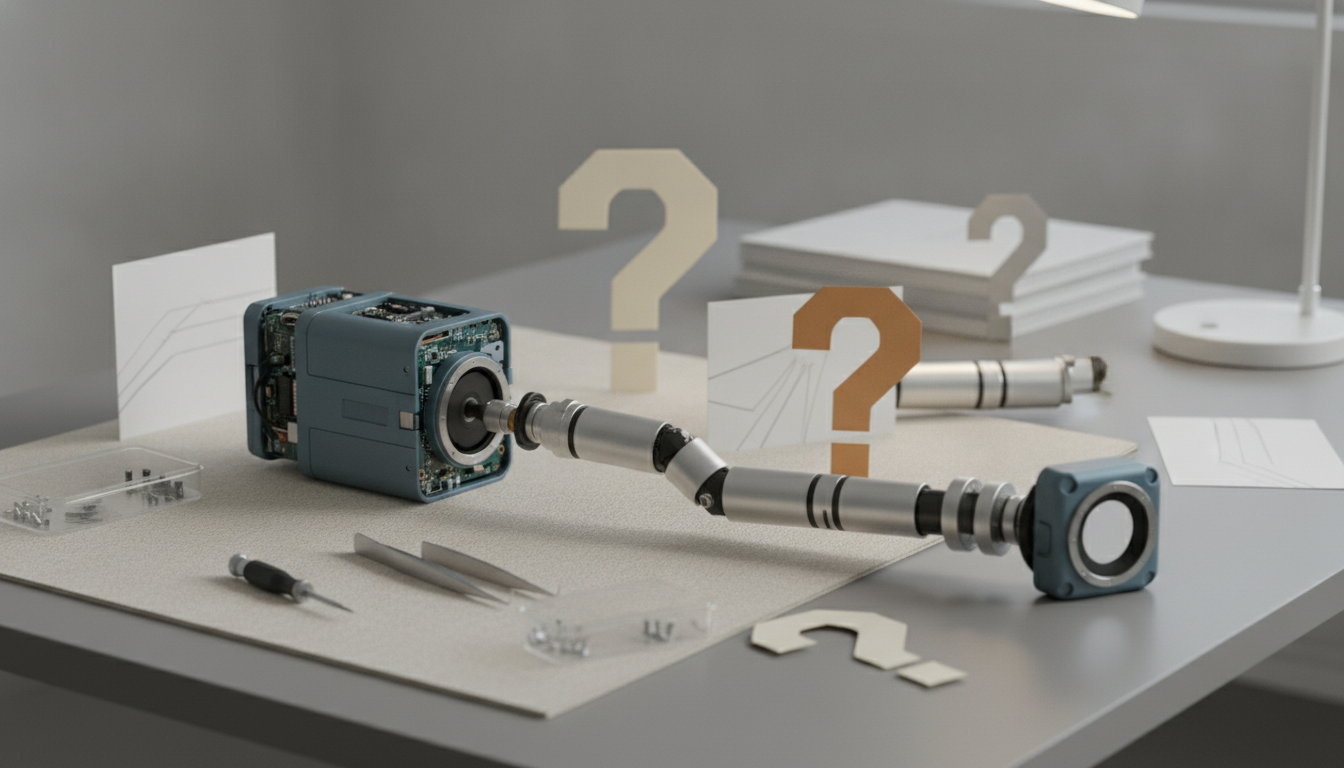
The Rialto 65 pairs a large-format sensor with the Venice 2 line. As DPReview describes it, the system moves the sensor away from the main body. The goal is a smaller camera head that fits tight spaces.
Rialto designs have a history in film work. Crews use them for stunts, cockpits, and cramped sets. A 65mm-class sensor in that package is rare.
PetaPixel notes the price equals more than sixteen Sony FX5 bodies. That comparison shows how far this product sits from everyday shooters.
Design Intent: Solving a Real Problem
I respect the intent here. Large sensors usually mean large bodies. A detachable head attacks that trade-off directly.
Film crews have limited options for rigging. They mount cameras on cars, drones, and rigs. A lighter head makes those jobs safer and faster.
Why modularity matters
Modular design can support longevity. A studio can upgrade one part without replacing everything. That approach cuts waste in theory.
Still, modularity only helps if parts stay available. Sony has not detailed service terms in the coverage I read. I would want that answer before any purchase.
Ergonomics on Set
Small heads help the operator. Weight on a gimbal or crane arm changes everything. Lighter loads reduce fatigue over a long day.
However, extension systems add cables and connection points. Each one is a place where a set can fail. Rental houses will test those joints hard.
Good tactile design shows up in the locking mechanisms. Gloves, cold hands, and rushed crews expose weak latches fast.
Who Gets Excluded
Accessibility is part of performance. At this price, the audience shrinks to rental houses and major productions. Independent filmmakers cannot buy in.
Rental can widen access. Yet rental fees pass the cost to the production. Small crews still face a wall.
Sony gains prestige from this. Smaller creators gain only if the technology trickles down. That has happened before with cinema sensors.
Repairability and Support Life
Repairability changes the value equation for pro gear. A broken head on a shoot day can cost far more than the part. Fast service matters most.
Here are the questions I would ask Sony:
- How long will it support the system with parts?
- Can rental houses repair cables and connectors themselves?
- Will firmware updates continue through the product life?
- Does the head work with future Venice bodies?
Those answers decide whether $80,000 is an asset or a liability.
Environmental Context
Sony has made no sustainability claim in the sources I reviewed. I will not invent one. Still, shared rental use is the greenest path for gear like this.
One unit used on many productions beats many units sitting idle. A long support window would strengthen that case. Short support would undercut it.
Long-Term Value
The price makes sense only for working studios. They amortize cost across many jobs. A hobbyist should look at something like a mirrorless cinema camera mirrorless cinema camera (paid link) instead.
For most readers, the Rialto 65 is a signal. It shows where Sony wants to push large-format cinema. It does not change what you should buy.
Takeaways
Here is what matters from this launch:
- The system arrives in the first half of 2027 at $80,000.
- It requires a Venice 2 body that costs about $60,000.
- The design solves a real rigging problem.
- Service and parts support remain unanswered.
- Rental access will decide who actually benefits.
Thoughtful design survives daily use only when support matches ambition. Sony still has to prove that part.
As an Amazon Associate, TechMogo earns from qualifying purchases.