








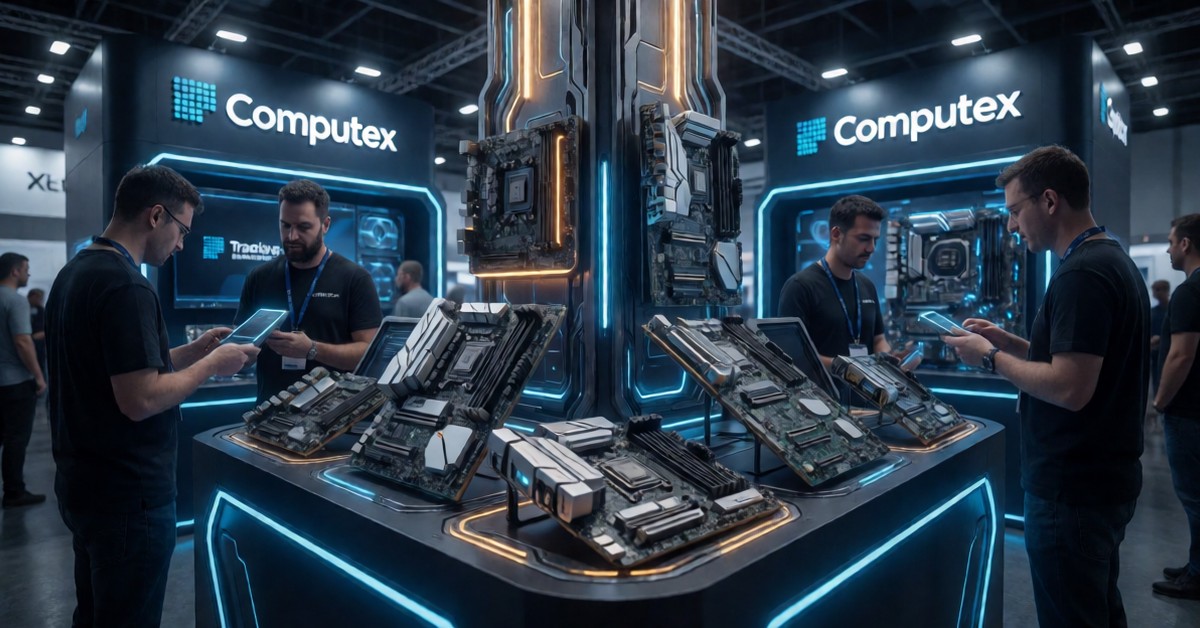
Major hardware vendors are bringing back older parts, which gives consumers a different choice because modern parts cost so much money. This changing trend is visible at trade shows like Computex, where vendors talk about supporting users who still use older DDR4 memory.
DDR4 And The Lifespan Of Older CPUs
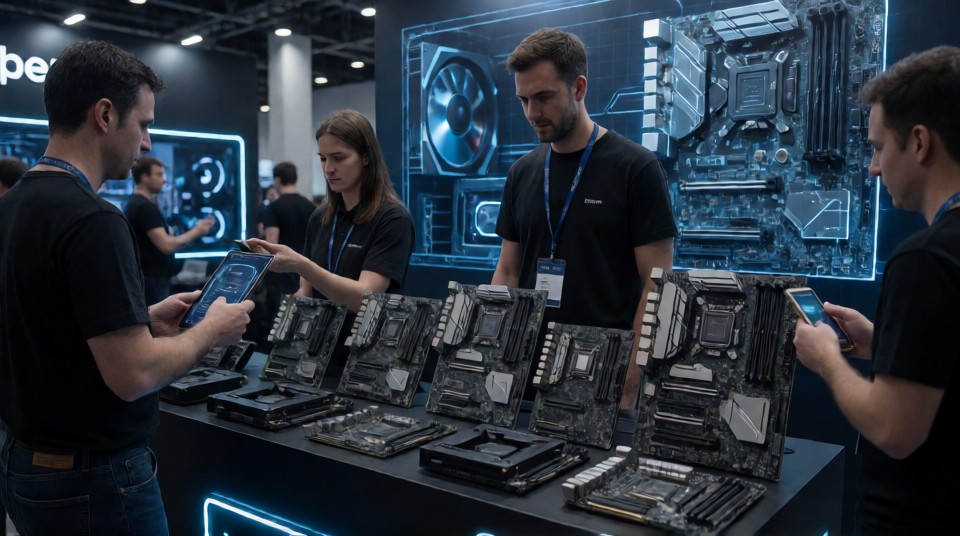
At the recent Computex show, AMD brought back the famous Ryzen 7 5800X3D, which is nearly five years old. Although the company charges more than $300 for this older CPU, it supports cheaper DDR4 memory, which helps people upgrade aging systems. This effort provides a more affordable way for people building new systems or improving old ones to handle the current cost issues. Intel also reportedly plans to release a new Raptor Lake version in 2027, which could extend the use of the DDR4 platform on the LGA 1700 socket.
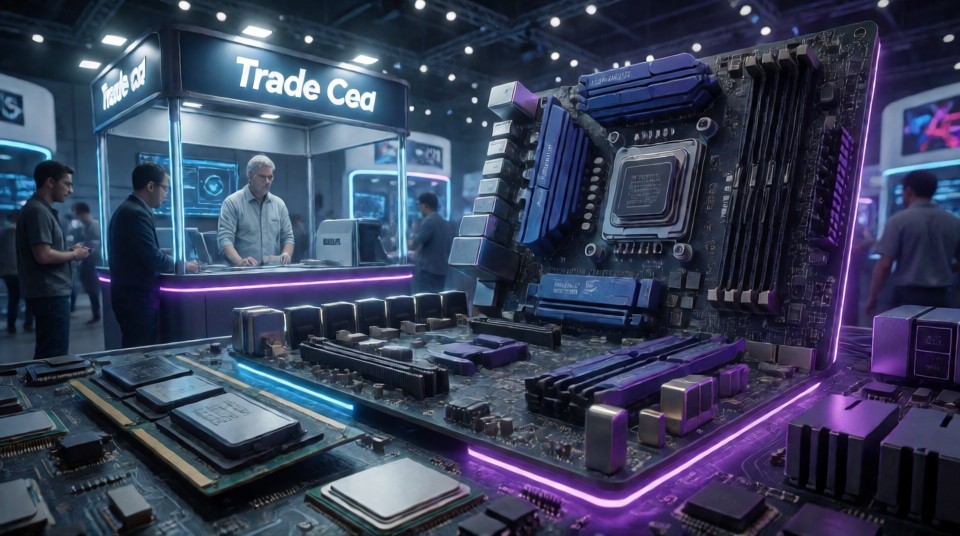
This potential move by Intel shows that manufacturers see a need for cheap options, which helps address the rising costs for building PC parts. If Intel ships new Raptor Lake CPUs next year that support DDR4, it would make it easier for consumers to stick with their current, less expensive memory setups. This approach mirrors AMD’s actions, showing that vendors try to keep older, budget-friendly platforms alive for longer periods.
GPU Re-releases And Market Weakness
Vendors are not just reviving CPUs; they are also bringing back older hardware, which applies to graphics card makers. Reports show that manufacturers are returning GeForce RTX 30-series GPUs, some of which are six years old, to the Asian market. This re-release occurs because memory shortages make it hard for manufacturers to make enough new graphics cards. Consumers now must buy new PCs using components that were originally five years old, and these parts often cost more now than when they were first released.
This situation makes people question the long-term supply and pricing of new PC parts. While these re-releases offer temporary help, the fact that older, less expensive cards now cost highly suggests ongoing supply problems in the market. People building new systems must carefully compare the performance of these older cards against the growing cost of new-generation hardware.
Making The Most Of Your Current PC Setup
While reusing old hardware might feel a bit difficult, consumers should not worry too much about the future of personal computers. Even though the market faces some difficulties, the community’s passion for building and tinkering stays strong, which offers a positive view. People can still enjoy computers by making older systems feel new again through internal tweaks without needing to buy new hardware.
For those who want their current setup to run well, there are several ways to improve performance without spending money on new parts. These methods include:
- Adjusting settings within the operating system which helps use resources better.
- Cleaning out old files and programs that slow down the whole computer.
- Switching to alternative operating systems, like Linux, because it can run on older hardware.
Ultimately, the ability to customize and build computers remains open to everyone, which keeps the hobby alive even when component prices are high. The smartness of enthusiasts allows people to find fun projects, which helps them deal with the current money problems facing the tech industry.