








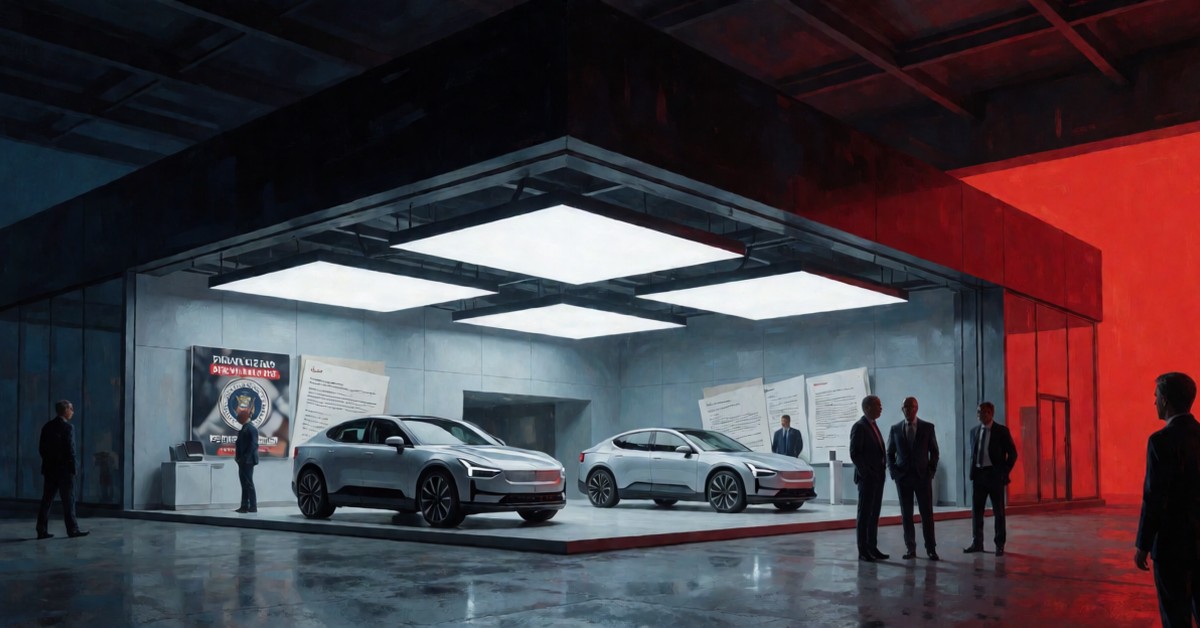
A major shift arrives in the American electric vehicle market next year. Dealers who invested in Polestar now face a complete shutdown of sales in the United States. This change results from the federal government officially denying a needed authorization. The denial blocks the company from continuing its sales operations within American borders. This decision creates a significant setback for Polestar and its American partners.
Key Details
The denial focuses on Polestar‘s link to Chinese technology suppliers. The government found these specific tools too hard to regulate completely. Polestar wanted to use some Chinese tech while legally operating in the US. Government officials claimed these components pose a risk to national security. This action directly affects the Polestar brand, which relies on a global supply chain. Dealers who bought inventory or upgraded facilities now face financial uncertainty.
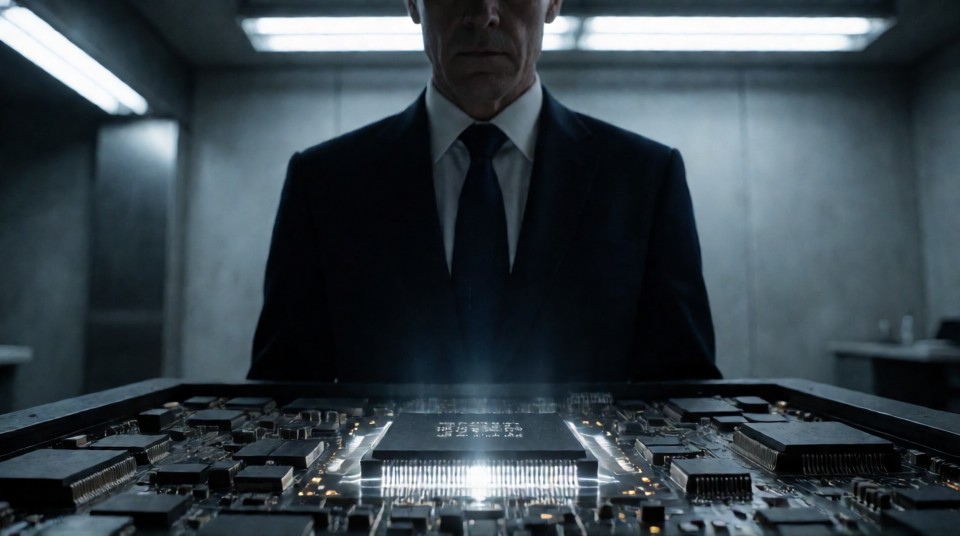
Polestar, which operates under the Volvo umbrella, says this ban limits its ability to compete with other car makers. The company maintains its vehicles meet all safety and quality standards. The denial forces the brand to either restructure its supply chain or leave the market entirely. American consumers waiting for Polestar models must adjust their expectations about availability.
- Dealers must liquidate current inventory.
- Investment in US showrooms and staff is now at risk.
- The government effectively halted future Polestar sales in the US.
What EV Buyers Should Consider?
Consumers who want Polestar vehicles must now look at alternative options. The electric car market remains strong with many brands offering different models. Buyers should check how this regulatory blockage changes the landscape of electric car purchases. This situation shows how government policy can affect consumer products greatly.
Many EV buyers worry about complex global trade rules restricting access to certain makers. Polestar’s US presence tested how international brands handle strict American trade policies. This denial suggests the path for foreign car makers using sensitive Chinese tech narrows. This change serves as a warning for other international car companies planning entry into the US.
If you plan to buy an electric car, you should research the supplier origins of the vehicle’s parts. You can check the company’s public statements regarding its global sourcing practices. Dealers now manage sudden inventory changes, which may cause temporary price ups or long waits. Thinking [process: Offering practical advice for consumers dealing with market volatility.
- Check local dealer websites for current inventory status.
- Compare different EV models based on range and battery life.
- Look for makers who have clear, transparent supply chain policies.
This regulatory action forces a rethink of how international companies enter the US market. Analysts watch this closely, as the denial suggests stricter oversight for future partnerships. The Polestar situation shows how trade restrictions can abruptly end a company’s planned US operations.
Main Impact
This event shows the high stakes in international trade when national security is involved. The federal government’s decision prioritizes domestic security over commercial interests. Polestar’s denial forces a complete strategic overhaul for the brand. The company must find a way to power its cars without the specific Chinese components. This shift in requirements presents a massive technical and logistical challenge. For related coverage, see tech coverage.