




YouTube AI Creator Tools Take Over the Busywork
YouTube wants to do more than host your videos now. At its annual Made on YouTube event, the platform unveiled a wave of YouTube AI creator tools that generate thumbnails, suggest titles, and flag what to post next. As reported by The Verge, the shift moves the platform from advisor to active collaborator.
For years, creators guessed at what the algorithm wanted. They tested thumbnails, tweaked titles, and hoped for the best. Now YouTube skips the guessing entirely. It simply tells creators what to make.
From Suggestions to Automation
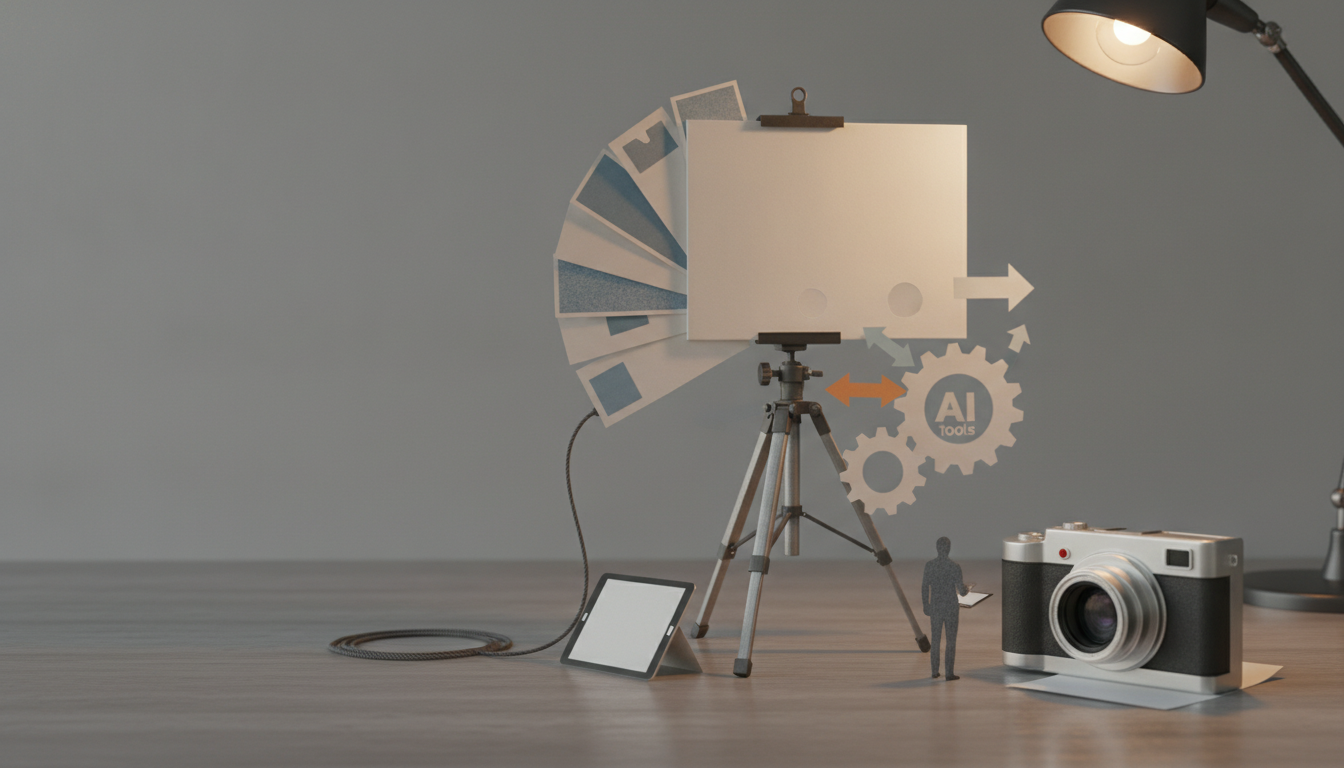
The new features let creators run automated A/B tests on thumbnails without lifting a finger. YouTube’s system picks winners based on real viewer behavior. It then applies those lessons automatically to future uploads.
This is a meaningful shift in power. Creators used to own every creative decision, however small. Increasingly, the platform makes those calls instead.
There’s a quiet trade-off buried in this convenience. Automation saves time, but it also nudges everyone toward the same optimized formula. When every thumbnail follows the algorithm’s preferences, individuality risks getting flattened.
Why This Matters Beyond YouTube
These YouTube AI creator tools reflect a broader pattern across the tech industry. Platforms no longer just distribute content. They now shape how that content looks before it even reaches an audience.
Meanwhile, editing itself is getting more accessible. Adobe brought its free Premiere app to Android this week, following last year’s iPhone launch, according to PetaPixel. The app strips professional editing down to something mobile-first creators can use immediately.
Pair that with YouTube’s AI creator tools, and the entire pipeline compresses. A creator can shoot, edit, and optimize distribution without ever touching a desktop. That’s a genuine convenience for smaller channels without production teams.
Still, convenience has a cost. When a mobile video editing app (paid link) handles editing and YouTube’s algorithm handles strategy, what’s left for the creator to actually decide?
Hardware Still Has Its Own Story to Tell
While software automates the creative pipeline, camera makers keep pushing physical limits. Kron Technologies just announced the Chronos Q12, a high-speed APS-C camera shooting nearly 7,500 frames per second. PetaPixel reports the camera captures up to 2.5K resolution at these speeds, according to PetaPixel.
This kind of speed matters for capturing moments human eyes simply cannot register. Splashes, impacts, and wing beats all reveal hidden detail at these frame rates. It’s a niche tool, but a genuinely important one for specialized shooters.
Not Every Launch Goes Smoothly
Sony’s FX5 camera tells a different, less triumphant story this week. The camera was supposed to ship on August 21. Instead, Sony pushed the release back twice, and shipping now starts “from the end of October,” per PetaPixel’s reporting.
Supply chain issues and manufacturing delays plague even established camera makers. Sony has a strong reputation in video-focused cameras, so this stumble stands out. For working videographers who pre-ordered, the wait keeps stretching longer than expected.
This contrast says something about the current camera market. Small manufacturers like Kron ship niche products on schedule. Meanwhile, a giant like Sony struggles with basic timeline promises.
When the Story Isn’t About Software at All
Not every compelling photography story involves AI creator tools or frame rates. A photographer recently shared an account of shooting tiger portraits from less than a foot away. The piece, published by PetaPixel, describes feeling the animal’s breath fog the lens.
It’s a reminder that gear only matters so much. No YouTube AI creator tool generates that kind of proximity or nerve. The photograph depends entirely on patience, trust, and physical risk.
Stories like this ground the broader conversation about automation. Software can optimize distribution and streamline editing. It cannot replace the moment a photographer chooses to sit still in front of a predator.
YouTube AI Creator Tools: Choosing the Right Gear for the Moment
For creators building out a kit that can handle both speed and precision, the right mirrorless camera body (paid link) still matters more than any algorithm. A capable camera body remains the foundation everything else builds on.
Software can polish footage after the fact. It cannot manufacture a well-composed frame from nothing.
YouTube AI Creator Tools: Takeaways for Creators Navigating the Shift
Put together, these stories sketch out where content creation stands right now.
- YouTube AI creator tools increasingly dictate thumbnails, titles, and posting strategy.
- Free editing software like Premiere lowers the barrier to professional-looking video.
- Camera hardware innovation continues, though release schedules remain unpredictable.
- Human skill and patience still separate remarkable photography from average shots.
The tools keep getting smarter, and the barrier to entry keeps dropping. But the best work still comes from someone willing to sit closer to the moment than feels comfortable. That part, no algorithm can automate.
As an Amazon Associate, TechMogo earns from qualifying purchases.