











Hikers prepare for warmer weather by considering swapping bulky sleeping bags for ultralight backpacking quilts. This change promises to reduce pack weight significantly while maintaining necessary warmth. Reviewers noted that these quilts provide warmth but stay much lighter than traditional bags. Adopting this gear helps adventurers carry less weight, improving mobility and reducing strain during long treks. Many experienced backpackers say shedding several pounds of gear greatly improves their hiking experience.
Traditional sleeping bags include a large insulated bottom, which adds considerable mass even in moderate temperatures. An ultralight backpacking quilt covers the body only, eliminating extra material that provides ground insulation. This design allows users to save ounces each night, which adds up quickly over many days. The quilts maintain adequate warmth for summer nights while drastically lowering the pack weight. This weight reduction is the main reason many outdoor enthusiasts switch to this gear.
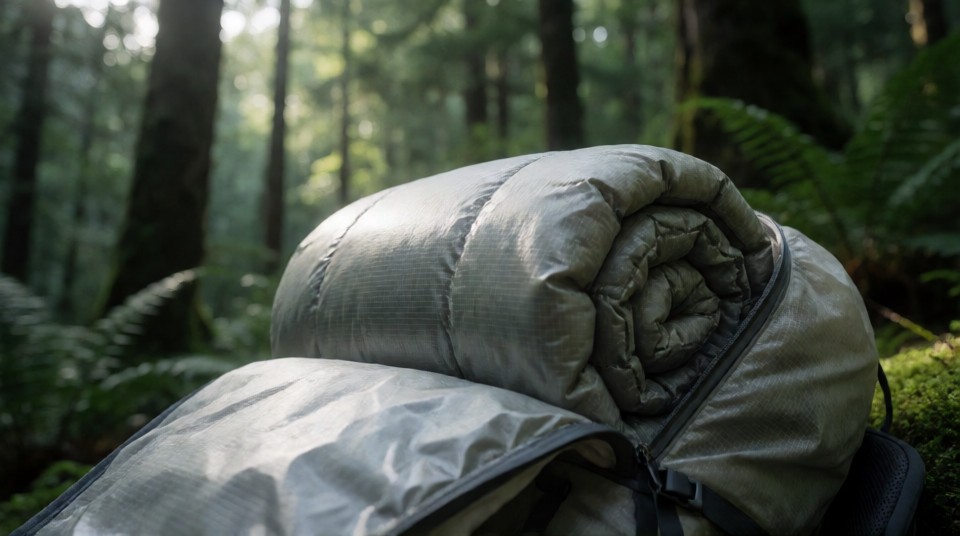
Do These Quilts Keep You Warm?
Some beginners worry that removing the sleeping bag bottom compromises their warmth when the ground is cold. However, manufacturers design the insulation to work well even when ground contact is minimal. Hikers who choose a quilt should still use a sleeping pad to create a barrier between their body and the cold earth. Proper gear selection ensures hikers stay comfortable without carrying unnecessary weight.
When evaluating ultralight backpacking quilts, you must focus on key specifications that match your needs. The weight of the quilt directly impacts the overall load you carry on the trail. Consider these factors when choosing your ultralight backpacking quilts:
Quilt weight in ounces Overall temperature rating Type of insulation (down or synthetic) Dimensions for comfort during sleep

Balancing Weight and Protection
While lighter gear offers clear benefits, users must accept giving up some protection a full bag provides. A traditional bag offers a complete barrier against the elements and the ground, which a quilt does not fully provide. This design requires hikers to be mindful of their surroundings and prepared for unexpected weather changes. Reducing load saves energy, allowing hikers to maintain a steady pace without feeling overly fatigued. This efficiency is a major factor driving the popularity of ultralight backpacking quilts among serious hikers. For related coverage, see tech coverage.