











Anthropic is working with Samsung on a new custom ai chip, a move that grabs industry attention after OpenAI partnered with Broadcom last week. This potential team suggests big AI labs want dedicated hardware to run their models better and faster. The push for this custom ai chip design aims to handle complex tasks right on the device, which helps improve user privacy. This new custom ai chip will allow users to enjoy high-end AI features directly on their phones.
How Could Performance Be Affected?
Large language models usually need huge computing power, which means processing happens on distant, massive servers. Running these strong models locally on a phone or laptop brings big benefits, like faster response times and better data security. By building a dedicated custom ai chip, companies like Anthropic and Samsung aim to overcome the power and heat issues of standard processors. This new hardware lets advanced AI features work without needing a constant internet connection. These specialized chips handle the unique math operations that AI models perform, greatly boosting efficiency over normal CPUs or GPUs.

OpenAI’s earlier move with Broadcom showed that dedicated silicon is the future for advanced AI use. Anthropic’s work with Samsung mirrors this strategic change, showing that better hardware is a top priority for everyone. Samsung, which excels at mobile devices, could provide the perfect platform to place this new custom ai chip into future flagship phones. This setup lets users see strong AI skills directly on their devices, which is a big selling point for customers.
Background
Most current AI models use cloud computing, which sends user data to remote servers for processing. While this offers great power, it creates risks regarding privacy and requires a steady internet connection. The custom ai chip approach changes this dynamic by putting the processing power close to the user. This shift moves the ability from a remote service to a real feature of the device itself. Experts warn that models on these local chips might start out less complex than their cloud versions. Future versions of the custom ai chip will likely reduce these limits as the hardware improves.
Enhanced privacy through local data processing Faster AI response times with reduced network reliance Optimized battery life for intensive AI tasks Increased security against data interception
Designing a Custom AI Chip
Creating a custom ai chip is a very difficult engineering task, requiring deep knowledge of chip making and machine learning. The main challenge is balancing power use with speed, meaning better performance while using less heat and battery. Anthropic and Samsung must manage the complex supply chain of advanced silicon, which is a highly competitive and expensive area. They also need to make sure the software layer uses the specialized hardware well, needing close work between hardware and AI software teams. The successful use of this custom ai chip depends on solving these technical problems.
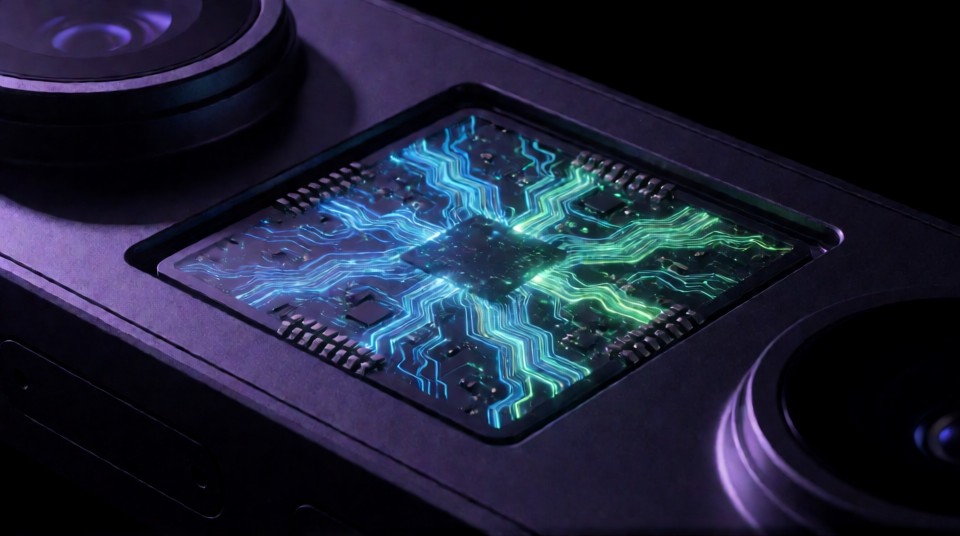
This hardware change signals a major shift in personal computing, moving away from devices that just access the cloud. We can expect AI to appear in the devices we use daily, like watches and smart home tools, as more makers adopt custom ai chip designs. This technology promises a future where digital assistants understand context deeply and react right away to user needs.