










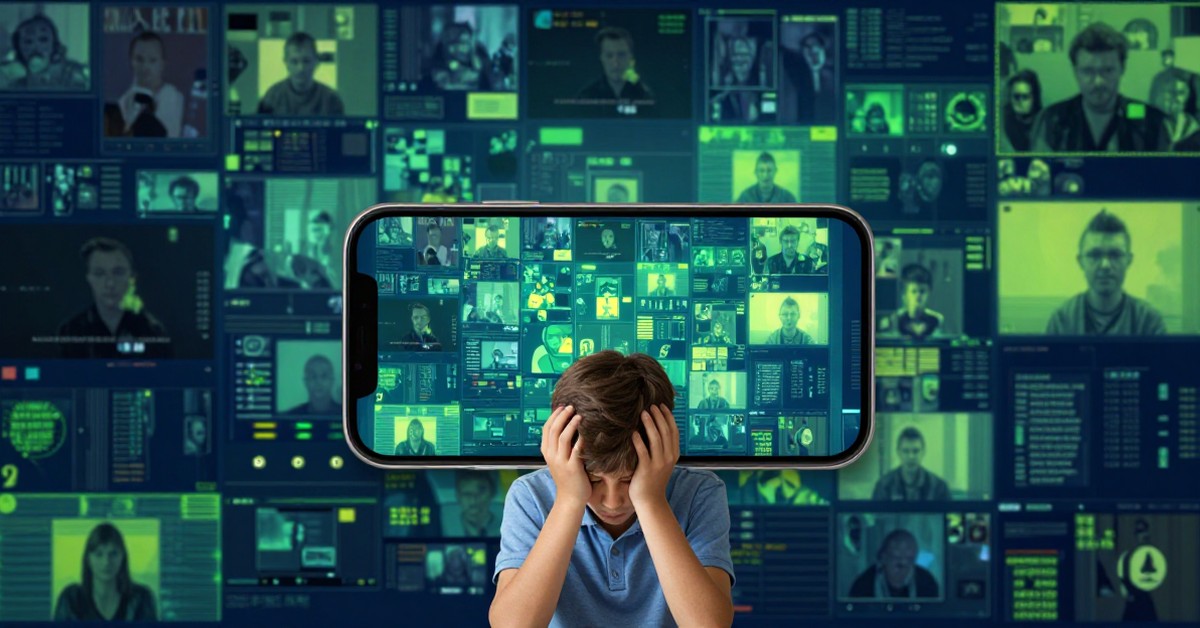
Automated creation tools now drive many online platforms. Therefore, these tools create a huge problem for real information. Because the volume of low-quality material overwhelms users, quality content struggles to circulate effectively. Also, automated systems prioritize maximizing viewing time. Consequently, these systems often select engaging but meaningless content. This process dilutes genuine discussion across the web. While TikTok claims it moderates content, studies show that the flood of ai junk content continually hurts learning efforts. Thus, parents must grapple with a confusing environment where genuine knowledge battles machine-made fluff. We must seriously consider how technology platforms balance their profits against the public health of their audiences.
Educational content creators put in significant time and effort to produce excellent lessons. However, they now fight a difficult battle against system-based noise. Studies show this noise grows rapidly across digital platforms. Because the AI material targets maximum quick appeal, it often hides careful instruction. Therefore, this process weakens how people learn. For example, parents using platforms like TikTok for extra learning must navigate a confusing landscape. This landscape shows that the platform’s design choices directly affect young people’s education today.

Key Details
These automated tools often copy genuine styles. As a result, average users struggle to distinguish real skill from machine copying. Furthermore, these tools create believable, yet empty, narratives easily. This presents a major barrier to sharing reliable knowledge. When children constantly encounter low-effort, fake content, they often accept it as equal to well-researched material. So, we need a serious discussion about how to use digital tools in our modern social world. Moreover, this trend challenges traditional educational methods, demanding new ways to verify information.
Why AI Junk Content Matters To Everyday Users?
The sheer commonness of ai junk content creates a system problem. This issue goes far beyond mere entertainment; it affects people’s ability to find trustworthy information. For regular users, especially parents guiding their children, the platform’s current state generates significant worry and confusion. The studies focusing on children reveal a clear social justice issue. Specifically, some communities suffer most from this unchecked platform growth. Furthermore, weaker communities, who often need easy digital resources, feel the impact of this digital pollution intensely.
The platform’s methods for spotting AI-made material still show weaknesses. Research suggests these gaps persist despite current moderation tools. Although companies claim they improve their detection tools, the evidence shows creators constantly change their methods. Because they evade rules, they perpetuate the problem of ai junk content. This constant race between technology means filtering the noise falls heavily on the individual user. Therefore, users must become active critics of the content they watch. They cannot remain passive recipients of the system’s output.
Users face several challenges when trying to discern quality content:
- Distinguishing between human-created expertise and machine-generated imitation.
- Filtering out highly engaging but entirely meaningless viral clips.
- Recognizing sophisticated AI narratives designed solely for clickbait.
The Human Cost Behind the Algorithm and Fixing AI Junk Content
When platforms prioritize high engagement scores above all else, they often ignore the human cost. Consequently, this creates a troubling trend in the resulting digital world. The focus on maximizing watch time encourages the spread of high-volume, low-effort AI content. This pressure makes genuine human creativity and skill less valuable. As a result, content makers must either fit the system’s demands or risk getting completely lost in the noise. We must ask whether the current monetization model inherently harms quality and deep contribution.
This problem touches upon wider discussions regarding civic responsibility online. It also involves the duties of large companies toward society, which requires public oversight. Because the platform is so deeply integrated into modern life, its quality affects everything. For example, it impacts how children learn and how groups discuss important civic issues. The studies act as a clear reminder: technological changes can cause deep social decline if people do not manage them carefully.
Addressing this problem requires far more than just better filters. Instead, it demands a fundamental change in how these digital systems are designed and controlled. Regulators and developers must collaborate to build systems that reward depth over sheer volume. For instance, platforms could implement metrics that prioritize verified expertise over viral engagement. This change would help reduce the prevalence of ai junk content, making online spaces healthier. Ultimately, users, policymakers, and tech companies share responsibility for mitigating this growing crisis. For related coverage, see tech coverage.