










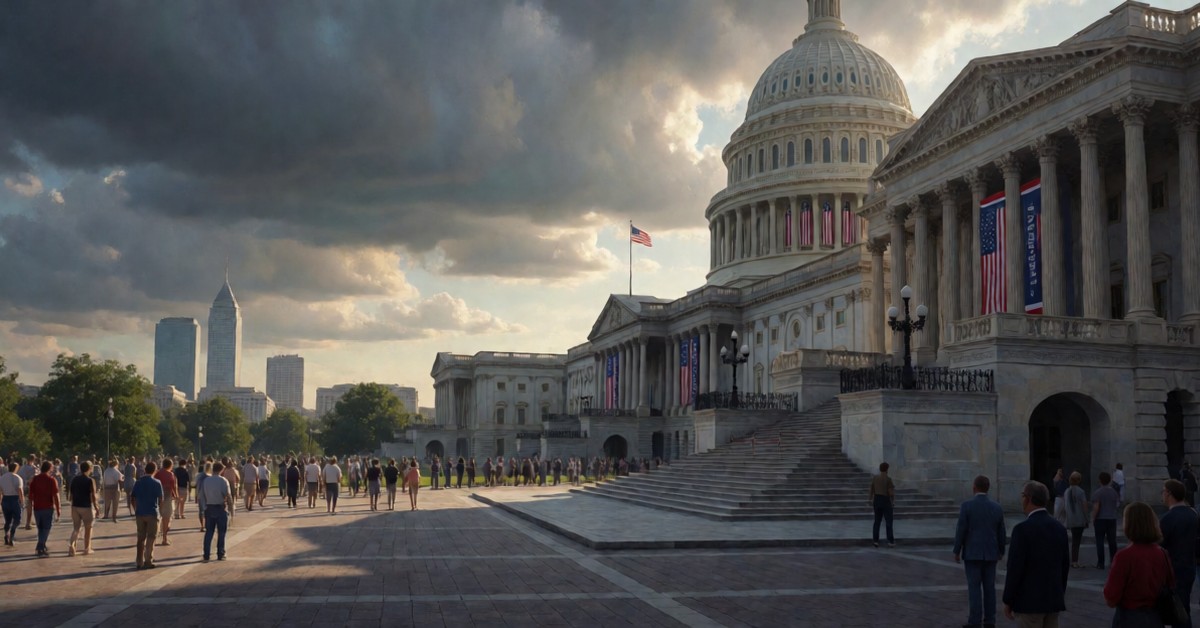
The recent changes reshape the visual identity of Washington, DC. These changes reflect a deliberate effort to redefine the nation’s capital. My thinking process involves analyzing how politics merges with public architecture. I am also considering the complex relationship between historical preservation and modern design. This entire
Personal Branding on the Capitol Grounds
Donald Trump reportedly led efforts to redefine the look of the Capitol. These actions suggest a strong desire to place his personal brand onto a national symbol. Supporters argue that the renewal process breathes necessary life into aging structures. They believe this makes the government’s physical presence feel more modern and energetic for the public. Critics, however, often contend that this highly personalized makeover risks overshadowing the historical integrity of the district. They maintain that Washington, DC, architecture should reflect the country’s diverse history rather than one individual’s preferences. Transforming a historic city into a reflection of a single political figure creates passionate disagreement among residents. This specific project draws attention because it involves the physical space where the nation’s governmental functions occur, making the visual changes feel profoundly political.
Background
Every element, from the landscaping to the structural finishes, seems part of a larger narrative. This focus on personal branding within a governmental context introduces a layer of commentary that goes beyond simple construction or repair. These extensive renovations present a completely different visual experience for everyday users and tourists visiting the district. Some visitors report that the new appearance offers a more dramatic and recognizable backdrop for photography, which has become a major draw for the area. Others feel that the aesthetic choices detract from the solemnity or historical gravitas associated with the nation’s capital. These differing reactions illustrate how people engage with large-scale civic development and interpret public space.
The renovation projects involve a mix of aesthetic updates and structural improvements. Some people frame the changes as a necessary modernizing step for the historic area. The alterations sparked public debate regarding historical character versus modern branding.
How Do We Judge These Projects?
When a highly visible figure like Trump initiates major changes to a national site, the conversation shifts from design to political symbolism. The claim that the Capitol reflects his own image implies a desire for permanence and lasting influence. This desire to leave a visible mark is a common trait among political figures who connect their personal narrative with institutions they lead. Architectural changes in historic districts always face a challenge balancing preservation with the need for contemporary function. If new material clashes with the original stone, it immediately becomes a focal point for criticism. Consider the logistical challenges of doing such a massive project in a densely populated area like Washington, DC. The work must happen around daily governmental operations, making the construction itself a visible, ongoing event.
Political branding applied to public architecture creates a unique form of public dialogue extending beyond the physical bricks. The transformation of a civic space into a statement of personal identity forces citizens to confront the intersection of personal politics and public life. This is especially true when the person making the changes holds a prominent position in the political landscape. By reshaping the environment, the individual tries to shape the perception of the institution they represent. This visual communication is a sophisticated way to project influence. The claim that the Capitol has been remade serves as a powerful narrative device, suggesting a full overhaul of appearance and intent. This kind of overhaul forces viewers to consider what they value in their public spaces: pure historical fidelity or a reflection of contemporary leadership.