










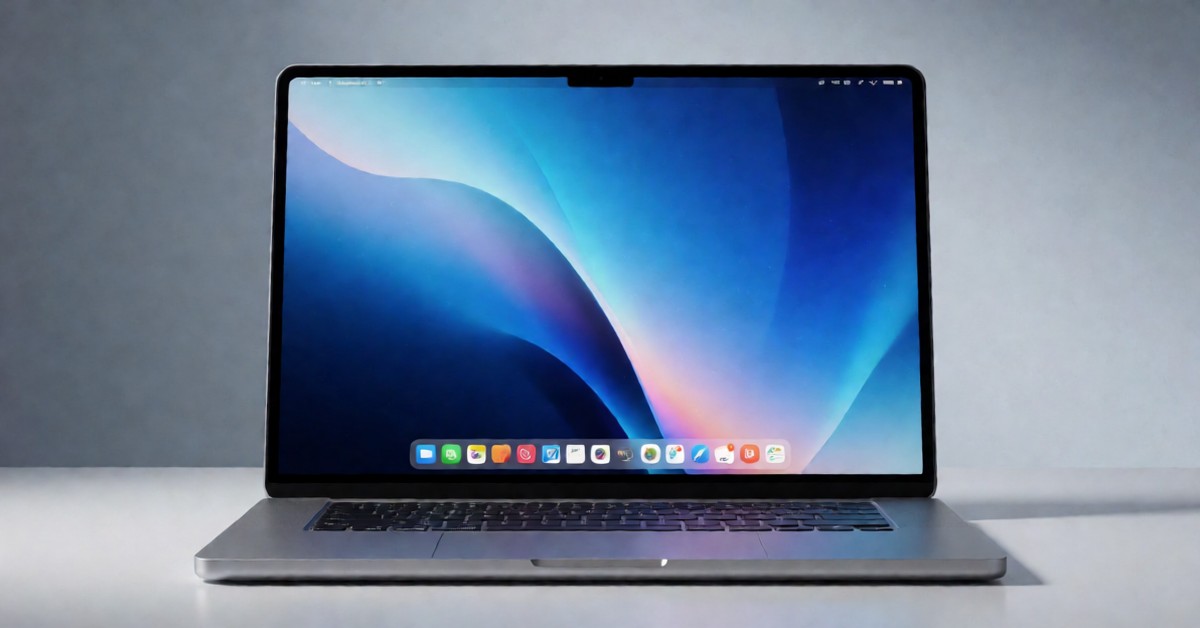
Apple frequently hints at major design updates for its top-tier hardware, including the anticipated MacBook Ultra redesign. This anticipated model, the MacBook Ultra redesign, will feature a slimmer profile and a new touchscreen display, distinguishing it from current MacBook Pro models. However, recent reports suggest that Apple might extend this aesthetic overhaul to more affordable laptops, fundamentally changing the product lineup for all consumers. Industry observers closely watch this shift to determine if it represents a significant change in Apple’s market strategy or simply a gradual hardware update.
The Strategic Design Shift
The MacBook Pro long maintained a powerful, specific look that many users associated with professional computing and high-performance tasks. The concept of the MacBook Ultra redesign suggests a radical move away from this established visual style toward a modern, minimalist aesthetic. Apple intends to give the premium model a unique visual identity, which helps it stand out in a crowded market. This change promises improved portability and visual appeal for heavy users by combining a slimmer chassis with new display technology. The entry-level MacBook Pro will receive visual cues similar to the MacBook Ultra, making this redesign accessible to a wider range of buyers. Consumers should monitor official announcements to confirm the scope of this reported shift.
Apple might standardize its design language across its entire laptop range. The shift suggests a focus on functional upgrades rather than just external visuals. The market needs clear performance data to confirm if the visual change justifies the upgrade.
How Will the New Design Feel?
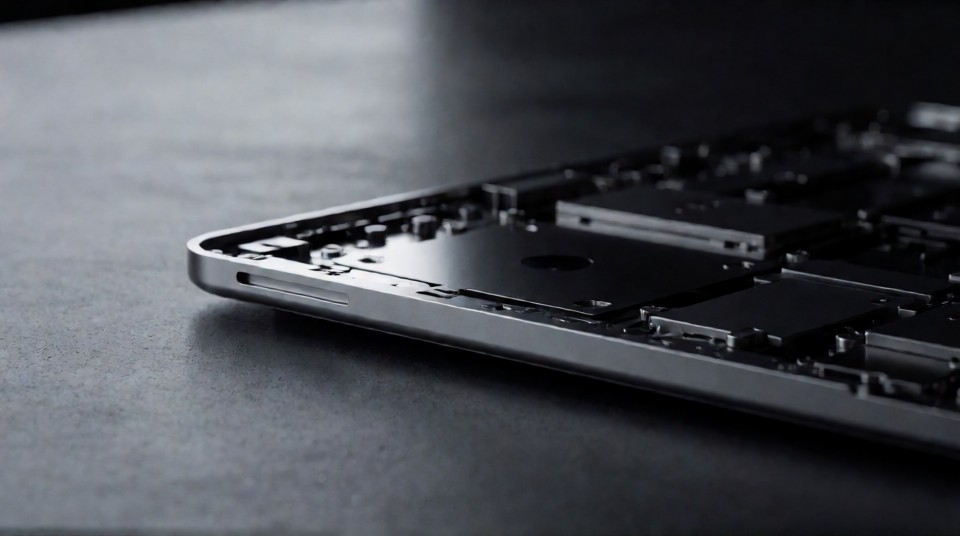
Users accustomed to the classic MacBook Pro design will likely wonder about the tactile experience of these new models. A slimmer profile often alters the keyboard deck and overall weight, which affects how comfortable the machine feels during long work sessions. Integrating a touchscreen into the high-end models suggests a deeper commitment to multimodal interaction, benefiting creative professionals greatly. This new approach aims to provide a more fluid and adaptable user experience across various applications and tasks. The new design may feature aluminum construction, maintaining the premium feel of previous generations. Changes to the hinge mechanism could allow for greater flexibility when using the device in diverse environments. A slimmer form factor typically translates to improved thermal management, although this requires careful engineering to maintain performance under heavy load.

Main Impact
When the MacBook Ultra first launched, it represented the peak of Apple’s engineering, offering cutting-edge technology that pushed mobile computing boundaries. The initial MacBook Ultra redesign served as a statement, signaling Apple’s commitment to innovation and premium quality. The market reacted positively to this refined and powerful device, even if the high price made it inaccessible to many. Now, seeing this high-end design philosophy reach lower tiers suggests a broader trend of design democratization within the brand. By incorporating elements of the MacBook Ultra redesign into the standard MacBook Pro, Apple might be trying to appeal to users who want a modern look without the absolute top-tier cost. This strategy aims to capture a larger share of the professional market, which is sensitive to both performance and aesthetics. The success of this strategy depends on how well the entry-level models perform compared to their predecessors. The integration of the MacBook Ultra redesign into the broader lineup is a bold move that could redefine expectations for portable computing. When the entry-level MacBook Pro launches early next year, users should anticipate these design changes.