











Wing Commander IV changed how games approached narrative and visual quality. Chris Roberts pushed the limits of contemporary computers with this groundbreaking title. The game mixed high-action space fighting with cinematic sequences. Players felt they watched a feature-length motion picture while playing. Critics praised the detail in the Full Motion Video (FMV) sequences. This ambition made many wonder if technology was truly ready for games. Developers balanced complex mechanics with massive file sizes required for high-quality video.
The Rise of Cinematic Gaming
In the early 1990s, putting a full movie into a video game seemed highly new. Chris Roberts successfully marketed this idea through Wing Commander IV. FMV clips showed detailed scenes that traditional sprites could not capture. These scenes included enemy ship destruction or the internal workings of fighter cockpits. Video gave the game a unique and engaging atmosphere that many players enjoyed. Developers argued that the FMV integration was a core part of the story. However, the technology presented significant hurdles regarding loading times and processor strain.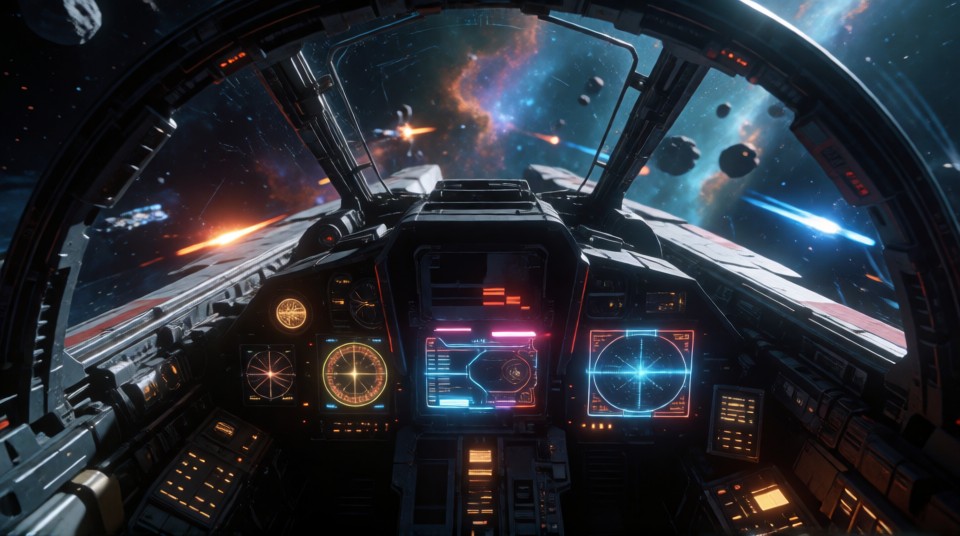
Gamers appreciated the visual spectacle that Wing Commander IV offered. Video clips provided a dramatic backdrop to the intense combat experience. Although FMV looked impressive for its time, some users noted issues. Gameplay sometimes suffered when the game switched between fighting and static video sequences. These cuts often broke the action’s flow, which frustrated some players. Success required balancing interactive elements with polished cinematic presentation.
How Did FMV Affect Gaming?
FMV technology brought unique problems for developers trying to keep the user experience smooth. The large data size of video files made games very big. This complicated distribution and setup for the average user. Furthermore, playing videos taxed computer hardware considerably. While powerful machines handled the game well, lower-end systems struggled. This limited the potential audience for Wing Commander IV. The industry debated whether this cinematic style represented the future of gaming.
Market response to Wing Commander IV was generally positive regarding its visual presentation. Yet, critics pointed out the technology’s limitations. They suggested the videos sometimes dictated the story instead of player choices. This created tension between the movie feel and the interactive nature of the simulator. The game proved that FMV needed careful integration to serve the gameplay effectively.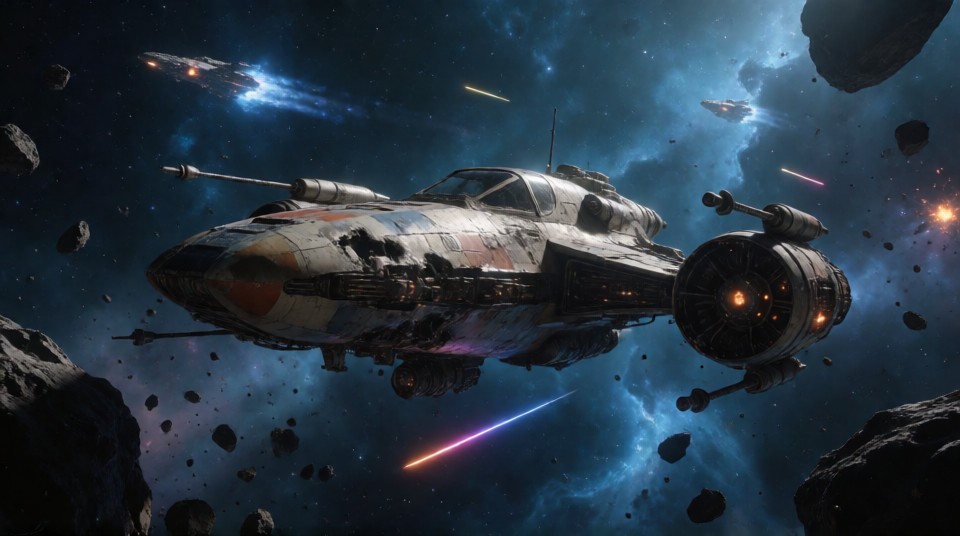
Defining Standards for Space Combat
Chris Roberts’ work on Wing Commander IV remains a major milestone in game history. The game showed how video elevates game storytelling beyond simple text. Although FMV became too heavy for mainstream games, lessons survived. These lessons paved the way for other advanced visual techniques. These new methods allowed high immersion without massive data overhead.
The game used advanced digitized sound and speech. It set a high standard for space combat simulation quality. FMV sequences provided powerful, movie-like moments. It pushed hardware limits at the time.
Developers facing FMV had hard choices about file size and performance. To make the game more accessible, they sometimes reduced video quality or cut scene length. The design team constantly managed the trade-off between graphical splendor and smooth gameplay. The scale of the project demanded many resources and a dedicated team.