



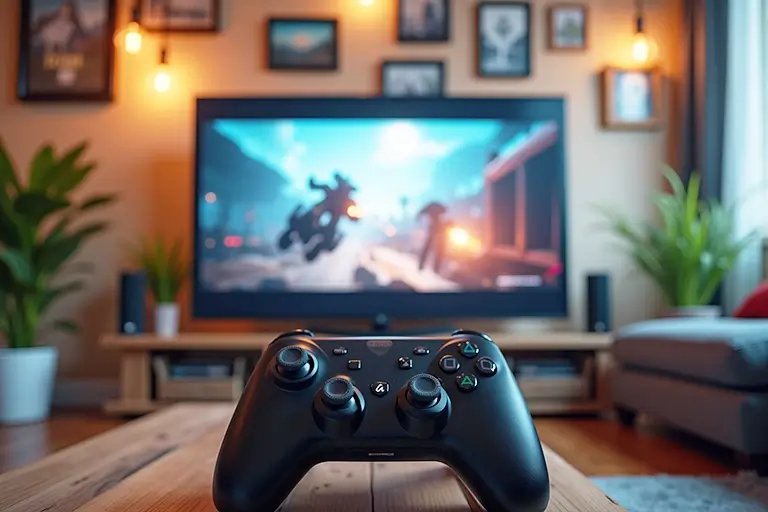


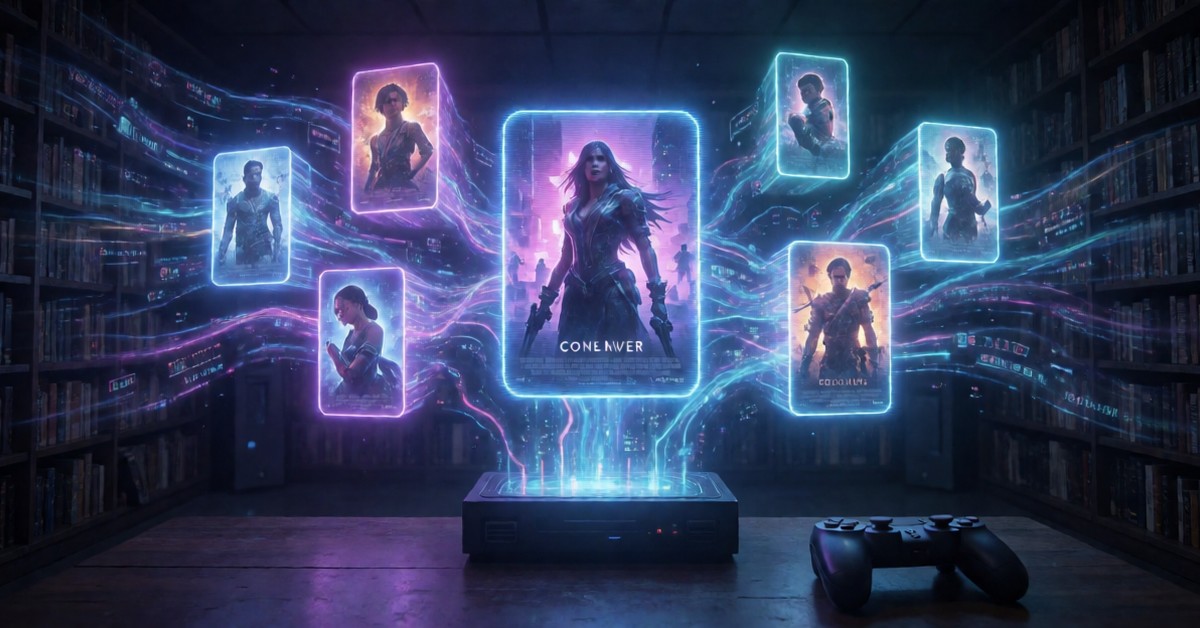
Sony recently revoked access to certain movies and shows many PlayStation customers bought. This major shift in digital distribution practices shows that companies grant temporary viewing rights for your sony digital content. Many users assume they permanently own content after paying, but industry practices often prove this assumption incorrect. This company decision to take back media access clearly reminds consumers about the contractual nature of modern digital transactions. This change forces consumers to rethink what true ownership means in an era where corporations manage data and media.
How Do Digital Purchases Work?
Digital purchasing agreements function as licenses, meaning consumers receive permission to use media without acquiring the property itself. When a person buys a movie on a platform, they typically purchase the right to stream or download that file for a specific, limited time. The company keeps all permanent rights to the Sony digital content, and Sony’s recent actions reflect a wider industry trend. Platform agreements dictate access, allowing companies to change or end service access without refunding your initial purchase price. This model puts platform control above the traditional idea of permanent media ownership. Users must carefully review terms before buying any digital item to grasp the full scope of their legal rights.
digital Rights Management systems help copyright holders control content usage after a sale. These systems allow platforms to track usage, enforce licensing agreements, and manage access to the purchased media. When a platform removes access to certain titles, the specific license for that content has usually expired or the platform changed its agreements. Understanding these technical limits explains why a digital library often feels permanent but isn’t. For users, this means the platform can restrict access through software updates or server changes, even if they downloaded the file.
Licenses are time-bound agreements allowing temporary media access. Management tools enable companies to revoke access based on specific contractual terms. Store policies often prioritize service continuity over guaranteed permanent ownership. Sony’s recent changes clearly show the limits of consumer control over purchased media.
Protecting Your Sony Digital Content
This trend carries significant weight for anyone relying on these platforms for entertainment and media consumption. Users often treat digital libraries like permanent collections, but the reality is they depend on the host company’s status and licensing agreements. If a service changes its business model or stops certain content, your access to your sony digital content can vanish overnight. This situation requires a more proactive approach from users when managing their Digital Purchases. Consumers should treat digital buys less like buying a physical DVD and more like subscribing to a specific, non-transferable service. Relying only on convenience does not guarantee a right to use content forever.
Industry observers suggest the current licensing model for digital goods will likely continue, despite growing consumer demand for real ownership. Many consumers prefer the security of owning a physical copy because physical media guarantees access regardless of a company’s financial status. The digital realm remains tied to the selling platform’s system, which limits consumer power. Companies might offer new permanent purchase options to address criticism, but current market dynamics favor the rental model for maximum flexibility. Future innovations might introduce decentralized ownership models, which could completely change the relationship between consumers and large media corporations.