









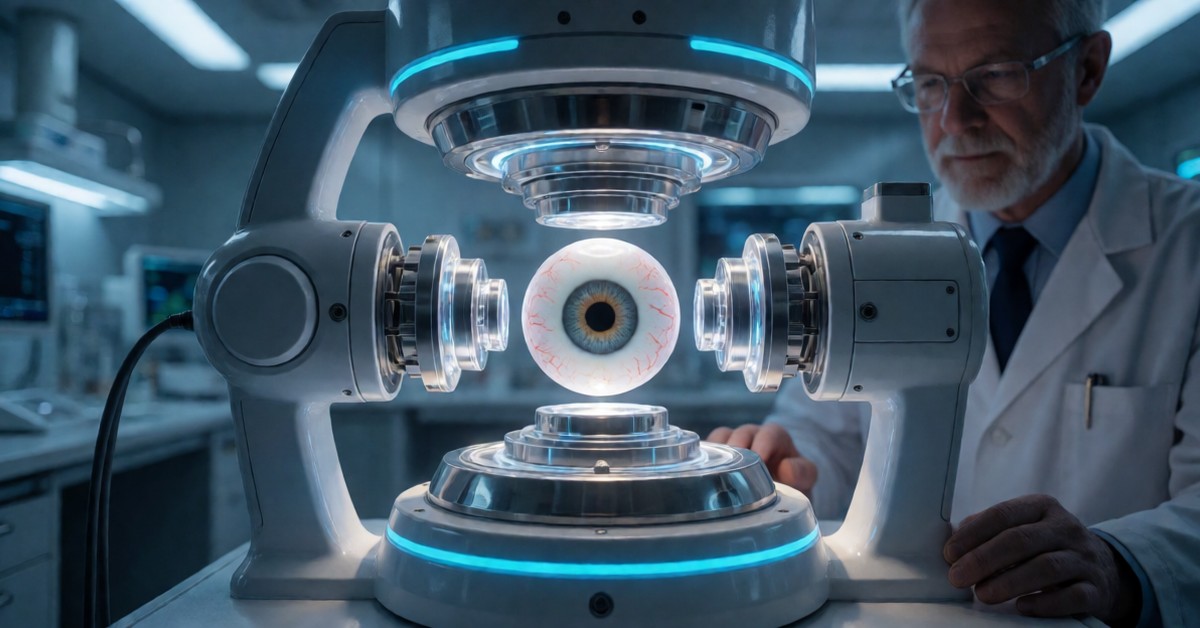
Surgeons face major hurdles when transplanting an entire human eye. Biological tissue fails almost immediately after it leaves the living body. Previous attempts struggled with this rapid decline, meaning placed donor eyes often lacked the necessary function for vision. Researchers are now focusing on a maintenance device that stabilizes the eye and keeps it healthy until surgery. This potential breakthrough could dramatically change the future of sight for millions waiting for a viable eye transplant device.
What Are The Key Details?
Obtaining a suitable donor eye for a transplant remains a complex and often lengthy procedure. This process increases pressure on medical teams to ensure the organ stays functional. Unfortunately, the human eye is an incredibly delicate organ. Once medical staff remove it from its original body, cellular processes begin breaking down very quickly. This rapid deterioration severely limits the window for successful transplantation. Many previous surgical attempts failed because the eye quickly lost its ability to process light and form images. Scientists identify this lack of viability as the primary obstacle preventing widespread use of the eye transplant device.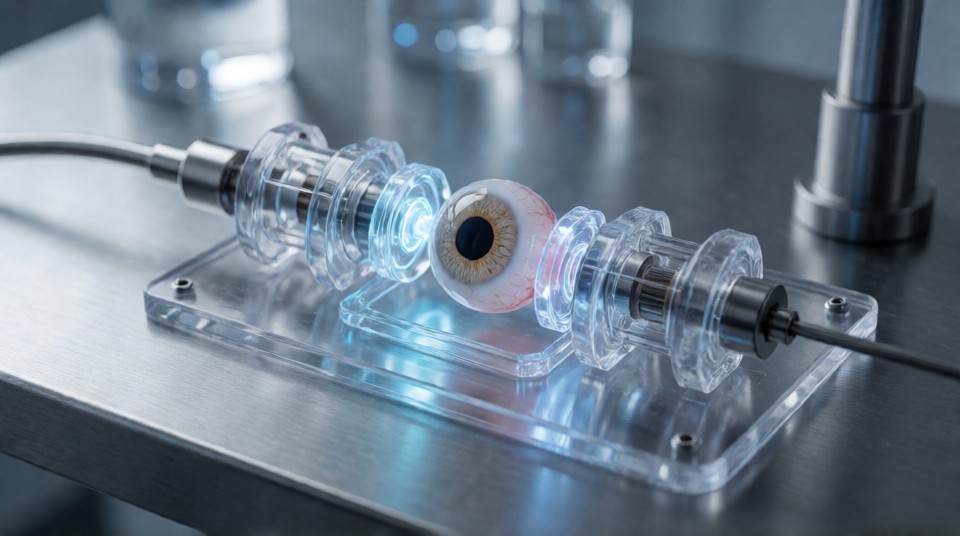
Previous efforts at whole-eye transplantation faced severe limitations, making the entire surgical endeavor incredibly difficult for clinicians. The eyes degrade almost instantly when they leave the body, causing functional loss before they reach the operating theater. Even if a surgeon successfully performs the procedure, the patient cannot see because the transplanted eye is already compromised. Researchers are now creating a specialized device designed to sustain the eye’s biological functions.
Background
The proposed maintenance device acts as a biological life support system for the donor eye. This technology allows the eye to remain stable and functional outside of a living body. It provides controlled environmental conditions that mimic the internal processes of a healthy eye. These conditions slow the inevitable decay of the delicate tissue. The device constantly monitors the eye’s health, ensuring that cellular structures do not break down before the transplant takes place. By maintaining near-perfect health, the eye transplant device makes the entire surgical process much more reliable for patients.
This technology is not merely a storage unit; it actively fights against natural degeneration. It manages the delicate balance of nutrients and oxygen the eye needs to stay alive. Researchers claim this controlled environment maintains the eye’s integrity longer than conventional methods allow. This advancement represents a major shift in how medical science approaches organ preservation.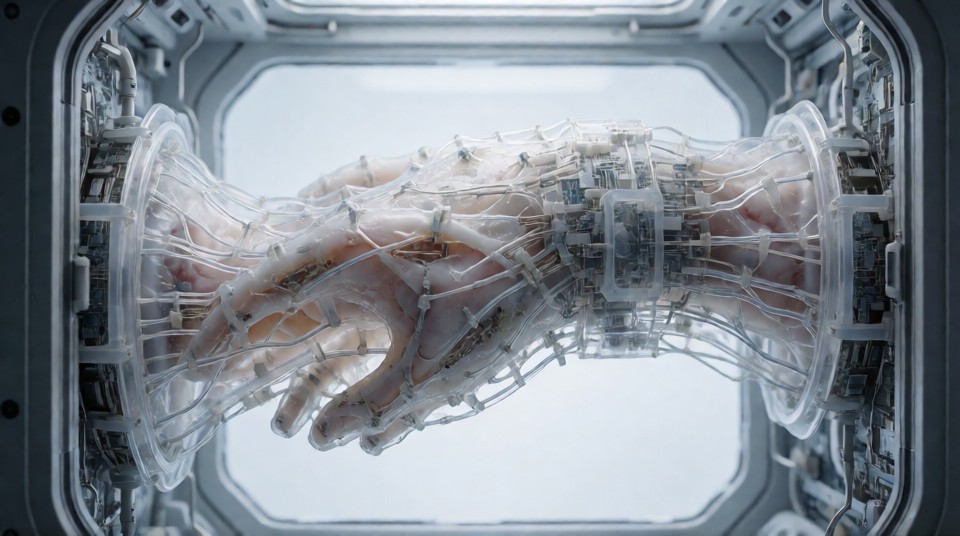
Main Impact
While the maintenance device offers a promising path forward, major scientific hurdles must still be cleared. Surgeons must ensure the implanted eye properly interfaces with the patient’s existing neural pathways. The device must also be small and power efficient enough for practical use in a hospital setting. Furthermore, the eye transplant device must be completely biocompatible; the recipient’s body must accept the donor tissue without severe rejection.
Medical teams currently focus on testing the device in controlled laboratory settings. This allows them to gather precise data on the eye’s longevity and stability. Achieving full functional vision requires more than just keeping the eye alive; it needs full integration into the recipient’s visual system.
- The device maintains optimal nutrient levels for the donor eye.
- It actively combats cellular decay during storage.
- The technology aims to increase donor eye viability significantly.
- Future studies will focus on human safety and long-term function.
Experts suggest that if the current research continues, a viable version of the eye transplant device could enter clinical trials within the next decade. This timeline allows for necessary refinement while offering hope to those suffering from severe vision loss. The ultimate success of this device depends on its ability to deliver a perfect, functional eye to the recipient.