










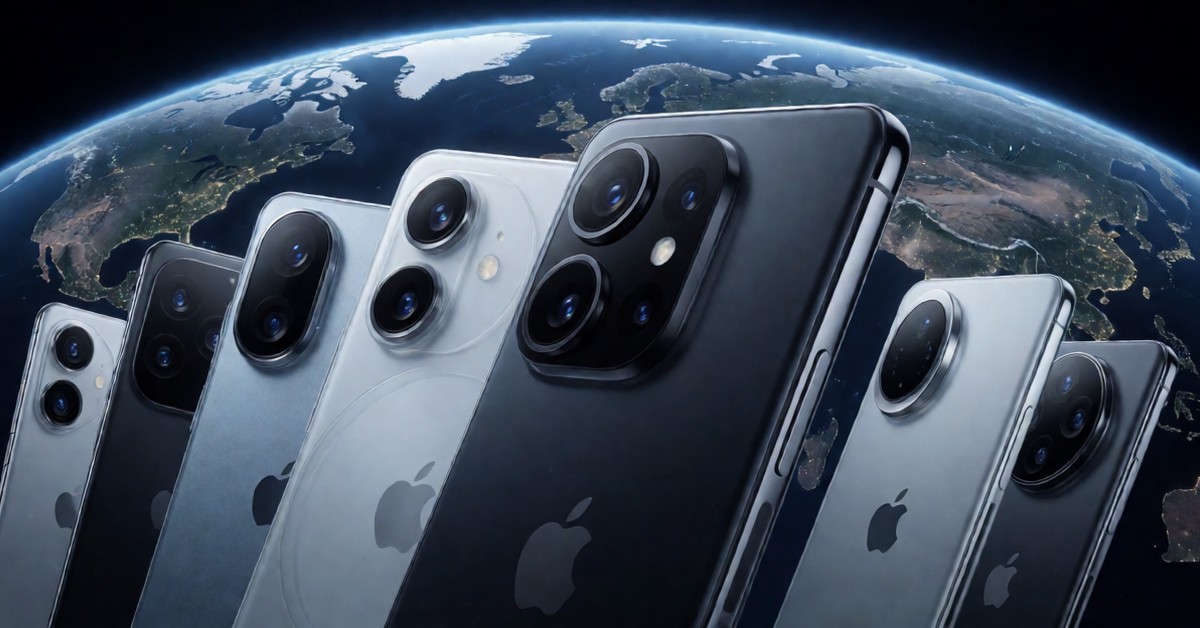
Tech fans frequently face frustration when searching for advanced gadgets. Major brands like Apple and Samsung ship flagship phones worldwide, but many premium models do not get official US distribution. This lack of availability creates a unique market for people seeking specific features in phones not available in America. Travelers or those with international shipping access can acquire these unique devices, which often feature different hardware than local versions. Understanding regional restrictions provides valuable insight into global supply chain issues. Consumers successfully sourcing these international models gain access to technology otherwise out of reach for many years.
Why Manufacturers Restrict Specific Phones?
Companies sometimes choose not to sell certain phones in the United States due to complex government rules. Telecommunications standards vary dramatically across countries, necessitating hardware adjustments for each region. For example, cellular bands needed for UK operation differ significantly from those used in the US, meaning one design might not function in another. Furthermore, carriers often limit which phones they officially support, restricting retail availability of specific models. Manufacturers also sometimes decide the US market does not justify the cost of localized marketing and support. These business choices directly impact which phones not available in America end up on consumer desks. People desiring these devices must navigate complicated import laws and customs procedures.
Background
When you look at phones not available in the US, you often find specialized hardware that US versions lack. Some international models include higher-resolution sensors or unique processor versions that optimize performance for regional apps. These subtle differences can dramatically change the daily experience for power users. International models sometimes excel in camera systems, featuring more advanced computational photography algorithms. Additionally, some regions receive early access to new operating system features before the US release. Tech analysts claim this early access provides valuable data for future development cycles.
Consider these reasons a specific device might be restricted: Regulatory requirements regarding radio frequency emission standards. Exclusive carrier agreements limiting device sales to specific partners. Supply chain prioritization toward larger, more profitable markets. Specific regional software tweaks requiring dedicated localization efforts.
Acquiring Phones Not Available in America
Buying a phone not officially sold in the US demands careful planning and reliable sourcing. Consumers must look past standard local retail stores and investigate specialized international resellers. These third-party sellers often operate out of hubs in Europe or Asia, where the device is easily found. Purchasing these phones not available in America requires accepting some risk because warranty support can become complicated. Buyers must research the seller’s reputation and shipping policies before making a purchase. Always verify the specific regional version of the phone you buy, since software updates and network function depend on it. Some buyers buy locally when traveling frequently, ensuring the device works on the local network.
One crucial aspect of international buying involves understanding global models versus region-specific variants. Global models aim for broad function, while regional variants meet specific local demands. A phone marketed in Japan might have unique local software features that do not translate to a US release. People seeking these specialized phones not available in America often want these unique cultural or technical additions. Check the seller’s listing for the exact regional code before finalizing the sale. This step prevents frustrating connection problems later on.
The Practicalities of Importing Phones
Shipping a high-value smartphone across international borders involves several logistical steps consumers must prepare for. Customs duties and import taxes are standard fees that change based on the country and the item’s declared value. Buyers must budget for these extra costs, as they are usually not included in the initial listing price. Furthermore, the shipping time for phones not available in the US can be much longer than domestic delivery, which requires patience. Some carriers maintain strict policies regarding the shipment of high-end electronics, potentially affecting the shipping method or cost. Careful tracking of the package remains vital to ensure the device arrives safely and undamaged.
Technological experts note that while international shipping offers access to better hardware, it adds layers of complexity to the transaction. Buyers must weigh the benefit of acquiring a unique phone against the extra effort required for import.