










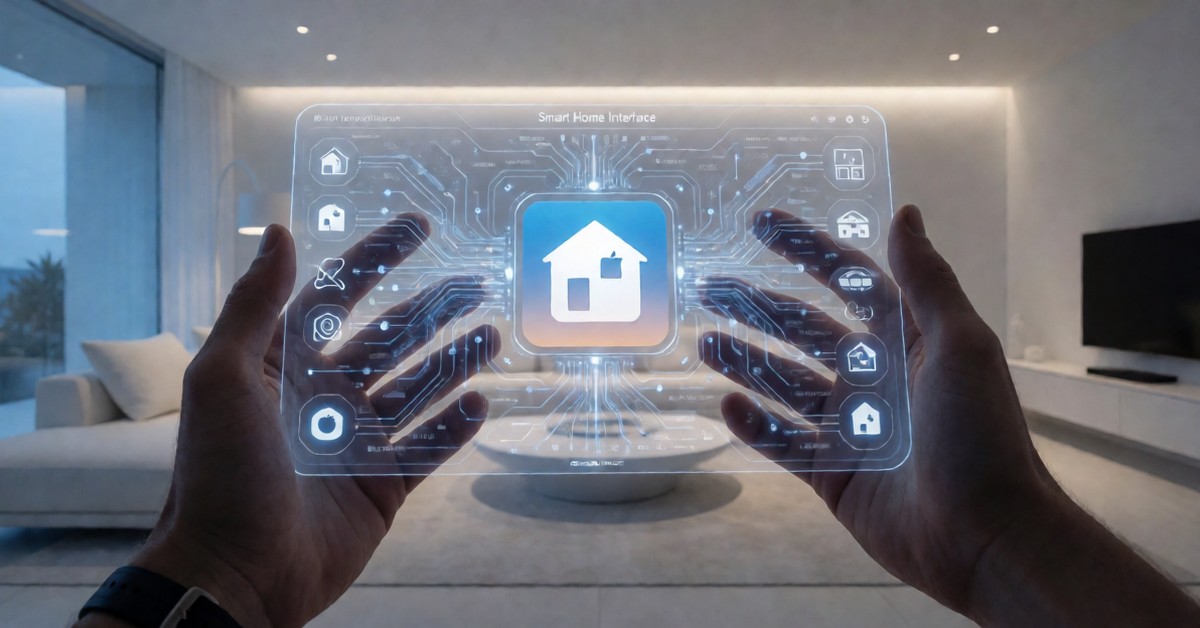
the current state of smart home technology presents a significant challenge for users who need to transfer complete apple home ownership when they move to a new residence. individuals who set up complex smart ecosystems often find that the process of handing over control to a new resident is surprisingly difficult within the existing Apple Home framework. although the system allows for granular device management, a straightforward procedure for transferring the entire home’s digital control remains notably absent. this omission complicates the life of homeowners who must move their entire smart environment without disrupting the functionality for the incoming occupants. the initial setup of these sophisticated networks can take considerable effort, making the eventual transition even more critical for users seeking seamless apple home ownership.
What Could Change in the App?
smart homes are becoming more common, which means that the need for easy ownership handovers is growing daily. when a resident sells their house, they often want the new owners to inherit the automated lighting, climate control, and security settings. however, the Apple home ecosystem does not currently provide a simple, one-click solution for transferring primary administrative rights. users report that they must manually manage numerous device settings and access credentials instead of delegating the entire property control. this requirement for manual management suggests that the platform prioritizes device control over simple property ownership transfer.

this lack of a unified transfer method creates a headache for real estate agents and homeowners alike who expect a more streamlined experience. they claim that current procedures force the seller to document every single automation and access code for the buyer. this intensive process often leads to mistakes or incomplete setups, which defeats the purpose of a smart home. while the technology itself is impressive, the administrative layer of apple home ownership needs considerable refinement to meet modern expectations.
Background
for a new homeowner, inheriting a smart house should feel like unlocking a pre-configured, ready-to-use system. they expect the lights to turn on automatically at sunset and the thermostat to maintain a specific temperature upon arrival. when the transfer process is cumbersome, this expectation often becomes a frustration. smart home features can actually increase the resale value of a property, which makes the seamless transfer of apple home ownership a financial concern for many sellers. buyers also prefer that the system is already integrated with their own Apple devices, which simplifies their initial tech setup.
- maintaining a consistent heating schedule
- ensuring all security sensors report correctly
- having access to camera feeds on their own iPhones
- ensuring the correct user profiles are active
Main Impact
when the transfer of apple home ownership occurs, the seller typically must share the necessary security codes and access passwords. this involves manually adding the new owner as an administrator within the Home app, which can be a complicated procedure. sellers must confirm that the new user has the correct permissions for every single device in the house. they must also ensure that the automation routines, which dictate how the house operates, transfer correctly with the new user account. this manual diligence is where most of the confusion and potential for error occurs. it highlights a gap between the hardware capabilities and the software administrative tools.
Future Needs of the Smart Home Market
the smart home industry continues to evolve, with companies promising better integrations and simpler user experiences. many tech analysts say that the next major update to the platform will likely address the pain points surrounding device and property ownership transfer. current limitations force users to operate in a fragmented way, managing devices rather than managing a home. this approach makes the concept of true apple home ownership feel like a series of individual tasks rather than a single unified experience.
research shows that consumer demand for smart home solutions is consistently rising, which puts pressure on tech companies to improve their administrative features. users want a simple way to assign full control of a dwelling without needing a technical degree to manage the transition. the current system requires a deep understanding of the Home app’s backend functions, which is not suitable for the average buyer or seller. therefore, the industry needs a more intuitive administrative layer for apple home ownership.

The Role of Ecosystem Integration
apple’s strategy for the Home app relies heavily on deep integration with the broader iOS and macOS environments. this integration allows users to control their entire house through a single, unified interface. however, the transfer of this unified control is where the system stumbles. while adding a new user is possible, elevating that user to the primary owner status requires a specific, often undocumented sequence of events. these steps vary depending on the complexity of the home’s setup. this lack of standardization makes the process of transferring apple home ownership highly unpredictable for both parties.
security experts claim that while the system is secure, the complexity of the transfer process itself presents a minor risk. if the handover is not completed correctly, a temporary security lapse could occur, leaving sensitive data or device access vulnerable. therefore, the platform needs a clearer protocol for administrative handoffs. the current system relies too much on the user’s ability to remember every step of the transfer process. this reliance on memory is simply not scalable for the mass market of homeowners.
Looking Ahead
tech developers frequently release updates to address user feedback and fix known issues within their platforms. many users have voiced their frustration regarding the lack of a simple ownership transfer feature in the Apple Home app. future software versions are expected to introduce a dedicated ‘transfer’ mode that handles all permissions and automation routines automatically. this would allow a seller to initiate the handover and confirm the new buyer’s access with minimal manual intervention. such a feature would dramatically improve the marketability of smart houses and streamline the process of apple home ownership.
this evolution would transform the smart home from a collection of connected devices into a truly portable asset. homeowners would no longer need to document every automation before listing their property for sale. instead, they could simply initiate a formal ownership transfer within the app, just like they might with a physical deed. this move would align the software capabilities with the expectations of the modern real estate market. while these changes are not yet guaranteed, the pressure from consumer feedback is certainly driving development in this specific area.
Improving the User Experience
for the average person, the goal is simplicity, not technical mastery. the Home app is powerful, which is great, but the administration of property rights within it feels like a complex programming task. designers need to create a clear pathway for ownership change that avoids the need for extensive troubleshooting. by implementing a clearer transfer protocol, Apple can make the concept of apple home ownership much more accessible to everyone. this improvement would make the technology feel less like a technical project and more like a seamless part of modern living. For related coverage, see Apple Plans Major Tvos 27 Features For Future Apple Tv 4K Models.