











Nvidia claims its new liquid-cooled designs promise greatly reduced water use for cooling AI data centers, which helps address public worries about using up resources. The company states that its Rubin design for fully liquid-cooled data centers greatly reduces energy while nearly eliminating water use. This specific design claims it eliminates big amounts of power consumption while also reducing water needs for large AI data center cooling systems. Because the world needs more powerful AI, managing the power needs of these huge computer setups remains a key worry for many people.
The Design Claims for AI Data Center Cooling
Nvidia claims that its Rubin design eliminates big amounts of power usage, which directly addresses growing public pushback against using resources. The design specifically claims it reduces nearly all water consumption, promising a major shift in how AI data center cooling works moving forward. While these claims sound promising, the source material notes that the design does not cover every single concern related to AI data needs. Users should view these claims as what the company says, rather than as proven facts for every future system they set up. The technology focuses on moving away from older, less efficient cooling methods toward a liquid-based system.
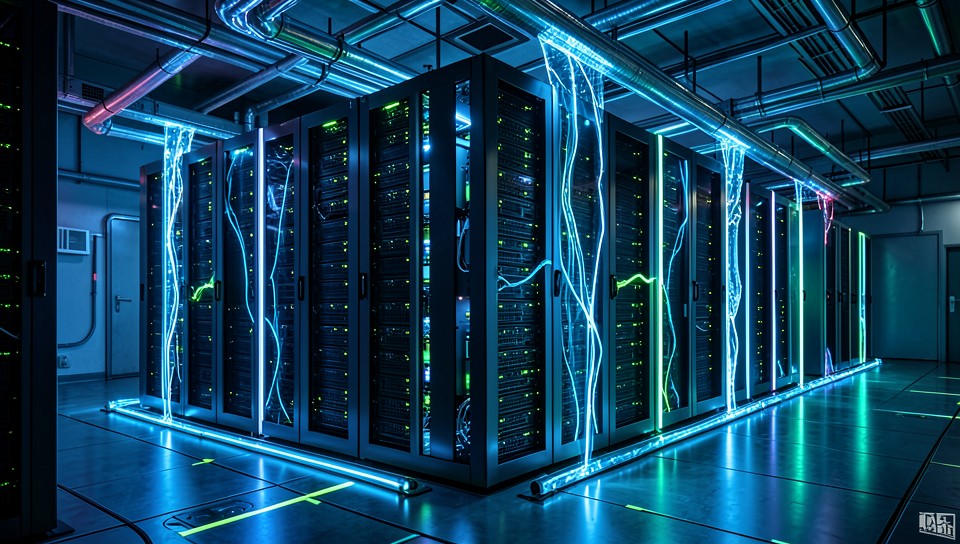
The reference design uses fully liquid-cooled methods, which marks a big change in cooling technology for these huge systems. This system aims to greatly lower the power needed to keep the high-performing hardware running properly inside the data center. Although the design shows impressive changes, people must understand that these improvements come from a reference model, which is not a system used everywhere. The goal is to make running large AI models more sustainable by changing the physical methods of heat removal. This approach could change the running costs for companies that operate big AI data center cooling systems.
How Liquid Cooling Affects Everyday Users
These changes in data center cooling methods could eventually affect the cost and availability of AI services that everyday users rely upon. If the cost of running AI data center cooling decreases due to less power and water use, those savings may pass on to consumers. The shift to liquid cooling means that data center operators can run their systems more efficiently, which improves the overall operating system. This improved efficiency means that AI services may become more accessible and affordable in the future.
The design, which uses liquid cooling, offers several potential benefits compared to older cooling setups that heavily use air. These benefits include:
- Reduced energy costs associated with cooling processes.
- Lower water demand because of the liquid heat transfer methods.
- Potentially higher hardware performance due to more efficient heat removal.
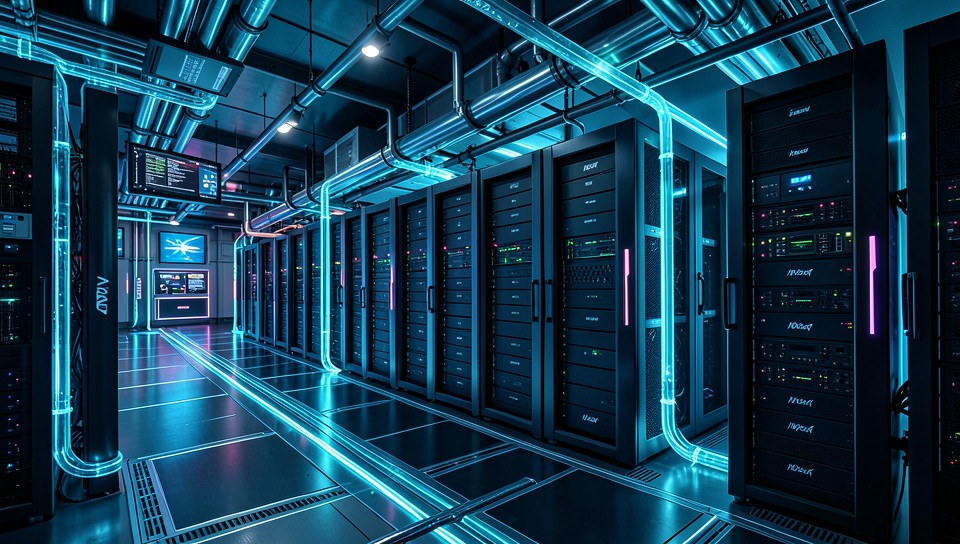
The company claims these changes offer a way toward more environmentally friendly AI data center cooling practices, which is a welcome change. Still, we must remember that these are claims made about a reference design, which means actual real-world results might vary greatly. The promise of these changes helps address the growing public pressure regarding environmental impact.
Looking Closely at AI Data Center Cooling Challenges
The source material makes it clear that the new design, while impressive, still does not solve every single issue related to AI data storage or processing. Although Nvidia presents this design as a major solution, the discussion revealed that other concerns about AI data remain unsolved. For instance, the article does not detail how the liquid cooling system handles data security or the physical safety of the data itself. People using AI tools need complete confidence that the data is safe, regardless of how efficiently the servers run.
The use of liquid cooling introduces new system complexities that users must consider when they think about the future of AI. While the reduction in water use is a big positive, the complete adoption of this technology requires huge changes to current data center systems. These changes mean that the initial costs for adopting the new liquid-cooled methods could be very high for many companies. The promise of better AI data center cooling still needs to be proven across many different operating environments before it becomes standard practice.
The continued push for more efficient AI data center cooling methods reflects a broader industry need to balance technological growth with environmental responsibility. The company claims that its smart approach offers a solution to the current problem of massive power draw. When evaluating these claims, users should look closely at the specific operating details and the limitations that the company itself mentions. Ultimately, the success of this design depends on its ability to perform reliably outside of a controlled reference setting.