









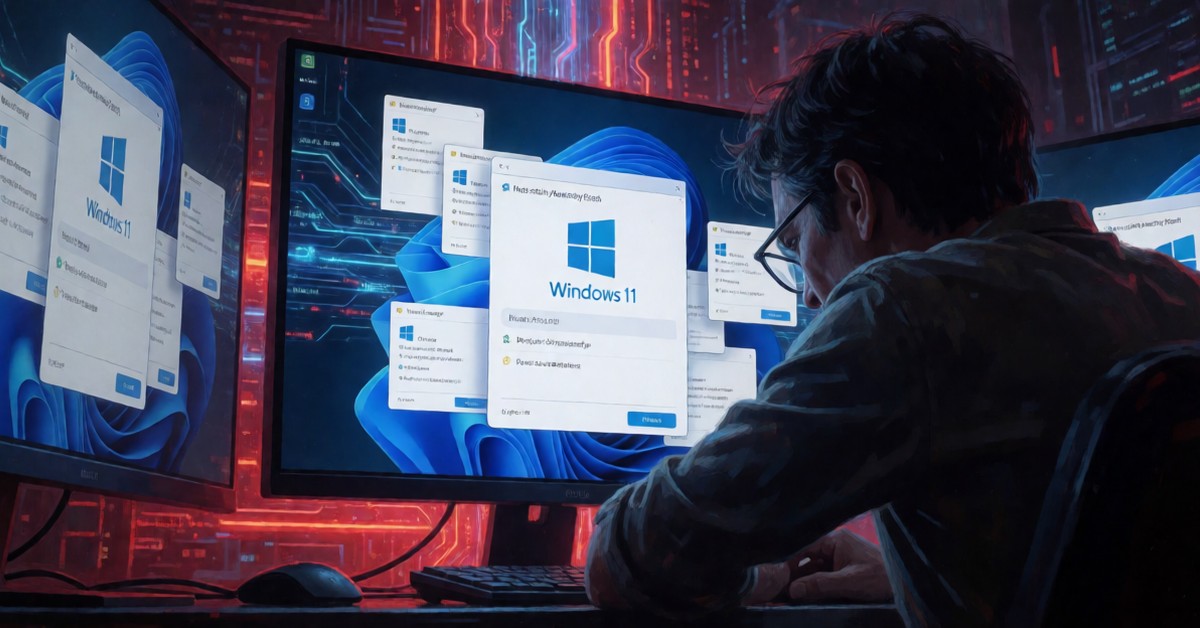
Many computer users now express deep dissatisfaction with the current path of Windows 11, the main operating system. They feel this platform no longer acts as a simple, neutral tool for running various programs. Users report consistent windows 11 issues because Microsoft strongly pushes users into its own proprietary system. This major shift forces users to interact with Microsoft services during the initial setup phase of the machine. This design choice creates significant friction for many people seeking simple computing experiences.

Why Users Feel Restricted by the Platform?
Microsoft increasingly needs users to create a Microsoft account while installing Windows 11. This single step tightly links the PC to several proprietary services, including OneDrive and Edge. While users can technically find local accounts, finding them requires specific, difficult workarounds for most average consumers. This insistence on using a Microsoft account creates a powerful connection between the operating system and all of Microsoft’s services. People who prefer isolated computing setups view this mandatory linkage as an unnecessary form of aggressive advertising. This specific design choice contributes heavily to the widely reported windows 11 issues, as users feel the platform slowly reduces their personal computer control. The operating system should primarily allow users complete control over their own hardware and data. Instead, many users feel Windows gradually takes that essential control away from them.
When performing a fresh setup of Windows 11, users repeatedly enable various services during the process. Experienced users find this endless process of enabling features quite frustrating. Conversely, less experienced individuals often grant extensive access by simply clicking the ‘Next’ button without deep thought. The central problem is not that Microsoft provides these various services, but the intrusive way they blend into the Windows environment. An operating system must allow users to control their own devices without constant pressure from the vendor. This pervasive push toward proprietary software creates a major barrier to user freedom.
The Hidden Windows 11 Issues of Ecosystem Control
Users often encounter several required steps during setup that feel exactly like a continuous sales pitch. These elements include: Mandatory Microsoft account creation Forced OneDrive file storage integration Required location sharing permissions Automatic personalized advertising enablement
Microsoft services also appear in other areas of the system, including the constant promotion of Edge and Bing functionality. For many users, this level of constant promotion crosses a definite line because Windows should function as a standard, neutral tool. It should not function as a constant sales opportunity for the company. Anyone who buys a Windows license expects a fully functional operating system, not an endless stream of prompts urging subscriptions. The constant need to engage with Microsoft services creates significant operational drag.
Another source of deep irritation involves the way the system handles default programs for various functions. Microsoft makes it surprisingly difficult for users to switch and utilize competing services. Although Windows technically permits changing the default web browser, it still strongly favors Edge for specific internal functions. This preference applies to system links and internal search functions, which Microsoft uses to increase the value of its own ecosystem. This deliberate preference restricts the user’s ability to explore better options.

Main Impact
Users who wish to employ alternatives, such as Firefox or Google Drive, should be able to do so without facing systemic obstacles inside the OS. Added to the feeling of forced sales is the ongoing, serious issue of data privacy within Windows 11. The operating system collects substantial diagnostic data about user activity. This collected information includes hardware details, system errors, and feature usage to help improve the services. Users can disable many of these data collection options, but they must actively seek out and navigate complex settings to find them. The situation becomes especially critical when sensitive personal data resides in cloud services tied to a Microsoft account. This dependency raises serious questions within the public sector, where governments must review reliance on single vendors.
These underlying issues define the current experience of Windows 11 for many people. The constant pressure to adopt Microsoft’s proprietary methods limits the true potential of the powerful hardware. Users deserve an operating system that respects their choice and protects their personal digital life. Finding a balance between necessary updates and user freedom remains the central challenge for the platform.