









A Tilt-Shift Lens That Finally Lets in Light
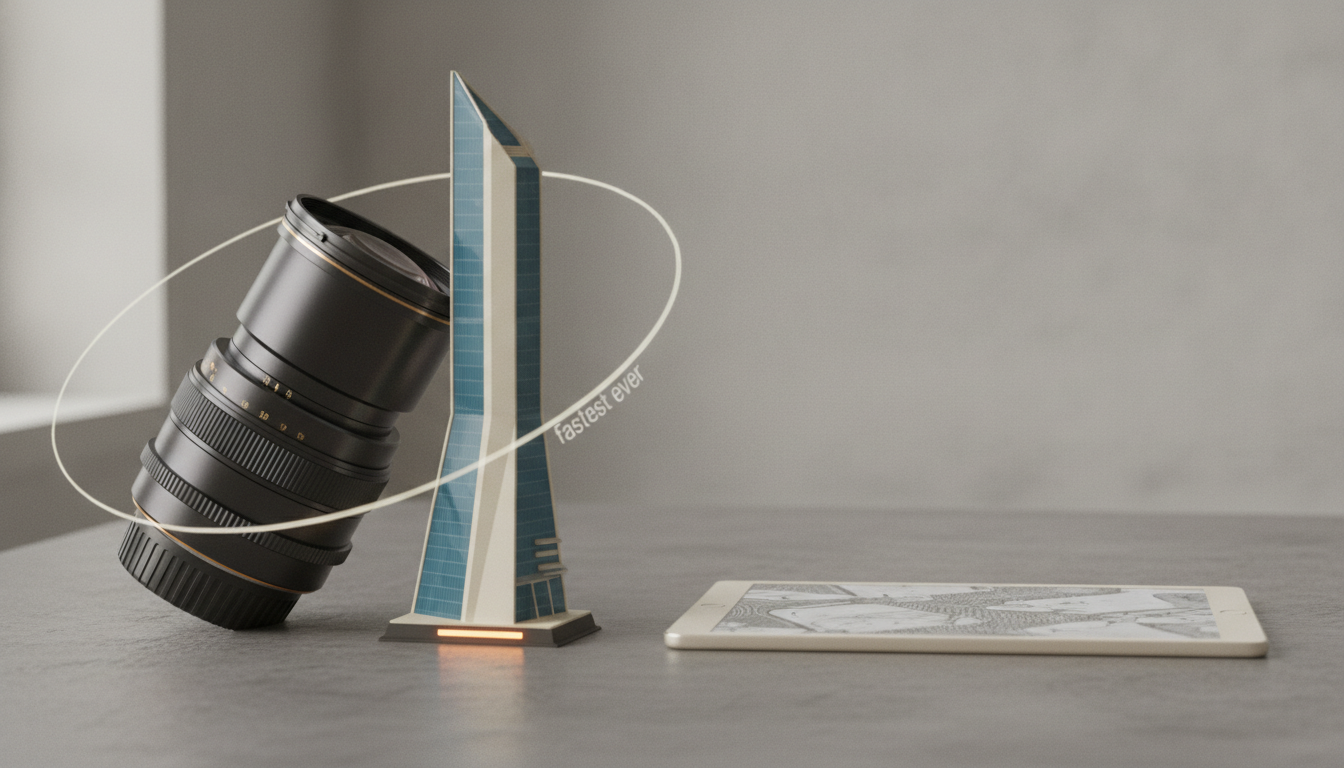
Laowa just announced the 24mm f/2 Zero-D Tilt-Shift, and the aperture is the headline. It is the fastest tilt-shift lens ever made, according to PetaPixel.
Most tilt-shift glass sits at f/3.5 or f/4. Going to f/2 is a real jump. Still, I want to know who actually benefits.
The Specs That Matter
As DPReview reports, the lens costs $1,249. That price is modest for this niche. Here is what you get:
- Up to ±10° of tilt.
- Up to ±12mm of shift.
- A 24mm focal length with a Zero-D design, meaning minimal distortion.
- Mounts for full-frame cameras, Fujifilm GFX and Hasselblad X.
The medium-format support stands out. The lens projects a large image circle, so it covers those bigger sensors. PetaPixel says that makes it useful for architectural and commercial work.
Why f/2 Is a Bigger Deal Than It Sounds
Low light and focus feedback
Tilt-shift lenses are manual beasts. You compose, shift, tilt and focus by hand. A brighter aperture makes the viewfinder easier to read in dim interiors.
That matters for real estate and interior shooters. They often work in dark rooms. A brighter view helps you nail focus without guessing.
Creative tilt work
Tilt also works the other way. You can tilt to create a thin slice of focus, the classic miniature look. At f/2, that effect gets stronger and more dramatic.
Let’s be honest, though. Architectural photographers usually stop down to f/8 or f/11 anyway. They want everything sharp. The extra speed helps them see, not shoot.
Zero-D Is the Real Promise
Architecture punishes distortion. Straight lines must stay straight. Laowa calls this design Zero-D, and it has used that label on other lenses.
I would want to test that claim at the edges of a shifted frame. Many lenses look clean at center and fall apart when shifted. Until reviews land, treat the claim as a promise, not a fact.
Who Should Care
This lens suits a few clear groups:
- Architecture and interior photographers who want a cheaper tilt-shift.
- Product shooters who need precise focus control.
- Fujifilm GFX and Hasselblad owners who lack many tilt-shift choices.
Casual shooters should skip it. Manual control has a steep learning curve. You will waste a lot of frames at first.
If you want a starting point, a tilt-shift lens (paid link) is worth learning on before you spend big. Pair it with a sturdy camera tripod (paid link), because precise shifting needs a stable base.
The Competition Problem
Canon, Nikon and Sony offer their own tilt-shift options. Those lenses cost far more. Some also lack the same range of movement.
Laowa keeps winning by undercutting the big brands. The trade-off is usually autofocus, build polish and support. Tilt-shift is manual anyway, so Laowa loses less here than usual.
The medium-format mounts give Laowa another edge. Few rivals cover GFX and Hasselblad users in this category.
My Take
Laowa found a real gap and filled it at a fair price. The f/2 aperture is a genuine first. It is more useful as a focusing aid than as a shooting aperture.
I have not tested this lens yet. The specs read well. Sharpness, shifted-corner quality and build will decide whether it earns a spot in the bag.
Key Takeaways
- The Laowa 24mm f/2 Zero-D Tilt-Shift is the fastest tilt-shift lens yet.
- It offers ±10° tilt and ±12mm shift.
- It fits full-frame, Fujifilm GFX and Hasselblad X cameras.
- The $1,249 price undercuts the big brands.
- Wait for real-world reviews before you buy.
As an Amazon Associate, TechMogo earns from qualifying purchases.